

Godavari Biorefineries secures US patent for cancer treatment compound


- Secured US patent for "5-Hydroxy-1,4-Naphthalenedione" compound
- Compound inhibits cancer stem cells, targeting breast and prostate cancer
- Grant disclosed to exchanges on October 14, 2026
- Exclusive rights granted within the United States

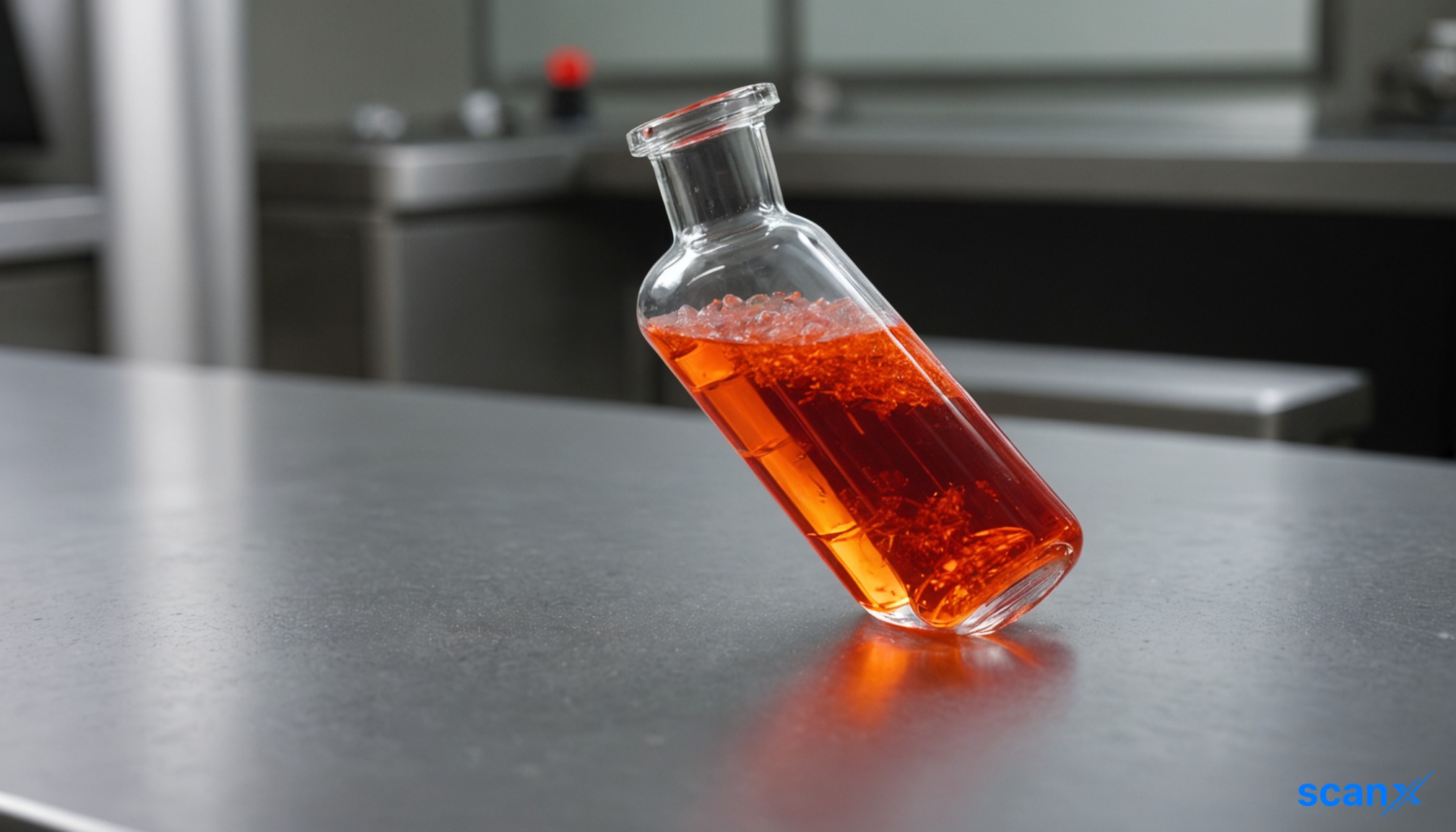

*this image is generated using AI for illustrative purposes only.
Godavari Biorefineries Ltd has secured a United States patent for a novel compound designed to treat cancer. The invention, titled "5-Hydroxy-1,4-Naphthalenedione for Use in the Treatment of Cancer," demonstrates significant potential against breast and prostate cancers.
The patent protects a class of compounds that effectively inhibit both general cancer cells and cancer stem cells. This intellectual property right grants the company exclusive rights to exclude others from making, using, or selling the invention within the United States.
Patent Details and Scope
The grant was issued by the United States Patent and Trademark Office (USPTO). The disclosure was made to stock exchanges on October 14, 2026, under Regulation 30 of SEBI (Listing Obligations and Disclosure Requirements) Regulations, 2015.
| Feature | Details |
|---|---|
| Patent Title | 5-Hydroxy-1,4-Naphthalenedione for Use in the Treatment of Cancer |
| Target Areas | Breast and prostate cancer |
| Mechanism | Inhibition of cancer and cancer stem cells |
| Grant Date | October 14, 2026 |
| Regulatory Body | USPTO |
The patent ensures that Godavari Biorefineries holds the legal authority to prevent competitors from importing or selling products derived from this specific process in the US market, subject to maintenance fees as per US law.
Historical Stock Returns for Godavari Biorefineries
| 1 Day | 5 Days | 1 Month | 6 Months | 1 Year | 5 Years |
|---|---|---|---|---|---|
| +3.32% | +0.02% | -2.15% | -26.90% | -5.55% | -33.39% |

What is the estimated timeline and cost for Godavari Biorefineries to move this compound from patent protection through clinical trials to FDA approval?
How does the ability to inhibit cancer stem cells differentiate this compound from existing standard-of-care treatments for breast and prostate cancer?
Will Godavari seek additional international patents or licensing partnerships to monetize this intellectual property outside the United States?
 18
18









 Access Market Heat-map & Insights
  Create, Save & Share your Screener
  Use 200+ Screening Filters





