

GOCL Corporation files FY26 sustainability report highlighting operational shifts


- GOCL Corporation filed its FY26 BRSR, highlighting a turnover split of 50% from real estate and 24% from EMS
- Total energy consumption fell sharply to 396,160 Million Joules from 4,616,744 Million Joules in FY25
- Water withdrawal reduced to 41,196 kilolitres with no liquid discharge reported for the year
- Employee count stands at 61 permanent staff with a turnover rate of 27% for the year
- The company reported nil greenhouse gas emissions and minimal waste generation of 0.039 MT

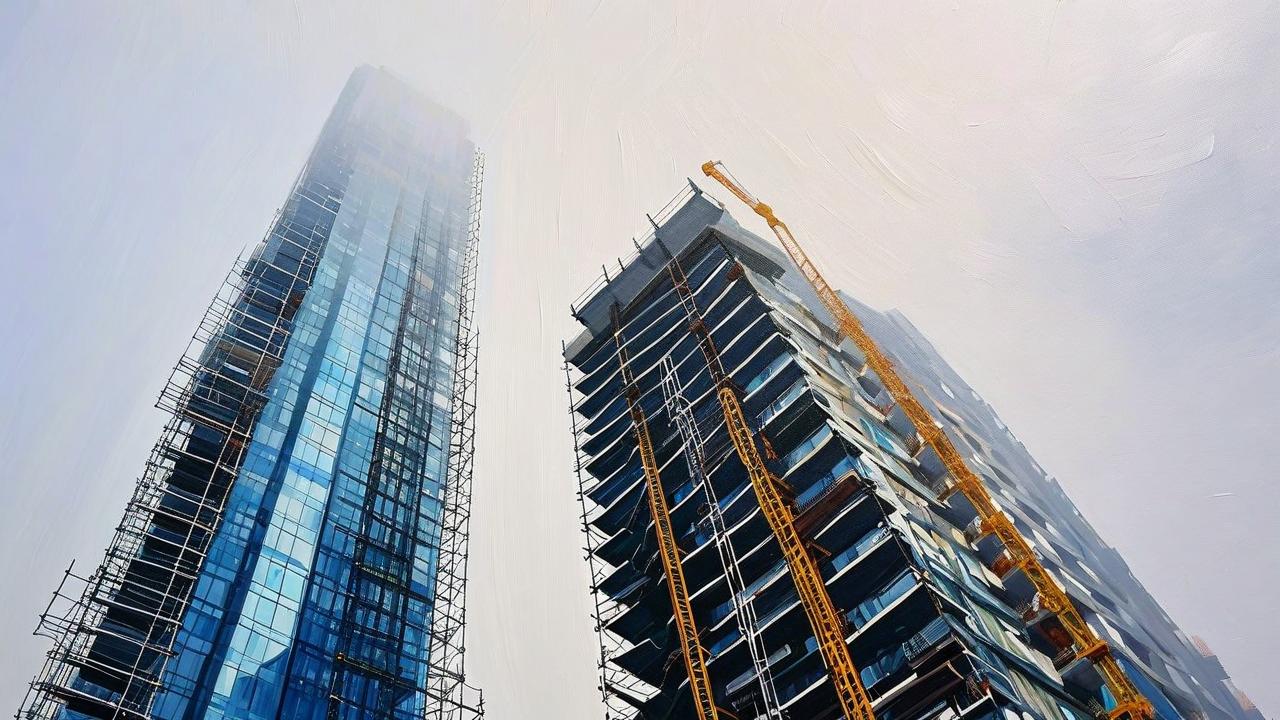

*this image is generated using AI for illustrative purposes only.
GOCL Corporation Limited has released its Business Responsibility and Sustainability Report (BRSR) for the financial year ended March 31, 2026. The filing details the company’s transition toward Electronics Manufacturing Services (EMS) and real estate activities, alongside significant reductions in energy consumption and waste generation.
The report, submitted pursuant to Regulation 34(2)(f) of the SEBI (Listing Obligations and Disclosure Requirements) Regulations, 2015, outlines the company’s adherence to National Guidelines on Responsible Business Conduct (NGRBC). GOCL disclosed that its turnover is now primarily driven by real estate activities, which contributed 50%, while EMS accounted for 24%. Discontinued operations constituted the remaining 26% of turnover.
Operational Focus and Turnover Split
The company’s business structure has evolved significantly, with no export sales recorded during FY26. GOCL serves customers in the automotive, industrial, aerospace, and defense sectors through its EMS vertical. The entity operates from one plant and one office nationally, with no international presence.
| Business Activity | % of Turnover |
|---|---|
| Real Estate | 50% |
| Electronics Manufacturing Services | 24% |
| Discontinued Operations | 26% |
Environmental Performance
GOCL reported a substantial decline in total energy consumption, dropping to 396,160 Million Joules in FY26 from 4,616,744 Million Joules in FY25. This reduction aligns with the closure of the Hyderabad factory operations in August 2024. Consequently, energy intensity per rupee of turnover fell to ₹1.66 for every ₹100 turnover, down from ₹4.10 in the previous year.
Water withdrawal decreased to 41,196 kilolitres from 81,985 kilolitres in FY25, sourced entirely from third parties. The company reported no liquid discharge and confirmed that its EMS process does not involve water usage, rendering Zero Liquid Discharge mechanisms not applicable. Greenhouse gas emissions were nil for both Scope 1 and Scope 2 in FY26, compared to minimal figures in FY25.
What the Numbers Show
The sharp contraction in environmental metrics mirrors the structural shift in GOCL’s operations. With discontinued operations accounting for over a quarter of turnover and the closure of manufacturing facilities, the near-zero waste generation (0.039 MT) and nil GHG emissions reflect a leaner, asset-light operational model focused on leasing and specialized EMS rather than heavy manufacturing.
Employee Well-being and Governance
As of March 31, 2026, GOCL employed 61 permanent employees, with 79% being male. The company reported no permanent workers following the Hyderabad factory closure. All permanent employees are covered by health insurance, accident insurance, and retirement benefits including PF, Gratuity, and NPS. The employee turnover rate for permanent staff stood at 27% in FY26, down from 54% in FY25.
Governance structures include a Safety Review Committee at the Board level and oversight by the Whole-Time Director & CFO. The company reported nine shareholder complaints during FY26, all resolved within time, with no pending grievances. No penalties or fines were paid to regulatory agencies during the year.
Historical Stock Returns for GOCL Corporation
| 1 Day | 5 Days | 1 Month | 6 Months | 1 Year | 5 Years |
|---|---|---|---|---|---|
| +0.96% | +3.13% | -13.94% | +19.24% | +2.37% | 0.0% |

How will GOCL plan to sustain revenue growth in its EMS vertical given the complete absence of export sales and reliance solely on domestic automotive and defense sectors?
What specific strategies will GOCL employ to diversify its real estate portfolio and mitigate risks associated with holding 50% of turnover in a single, potentially cyclical sector?
Given the significant reduction in workforce and permanent employees following the Hyderabad closure, how does GOCL intend to scale its EMS operations without increasing headcount?
 17
17






 Access Market Heat-map & Insights
  Create, Save & Share your Screener
  Use 200+ Screening Filters





