

Gerdau Q2FY26 Results: Adjusted EBITDA rises to BRL 3.4 billion


- Consolidated adjusted EBITDA reached BRL 3.4 billion, the highest level since Q3 2023
- North American shipments rose 7% YoY, driving a 15% QoQ increase in regional adjusted EBITDA
- Adjusted net income grew 45% QoQ to BRL 1.5 billion, leading to dividend declarations
- Debt-to-EBITDA ratio stood at 0.69 times with positive free cash flow of BRL 237 million
- Strategic investments include the Miguel Burnier mining expansion and increased self-generated energy in Brazil

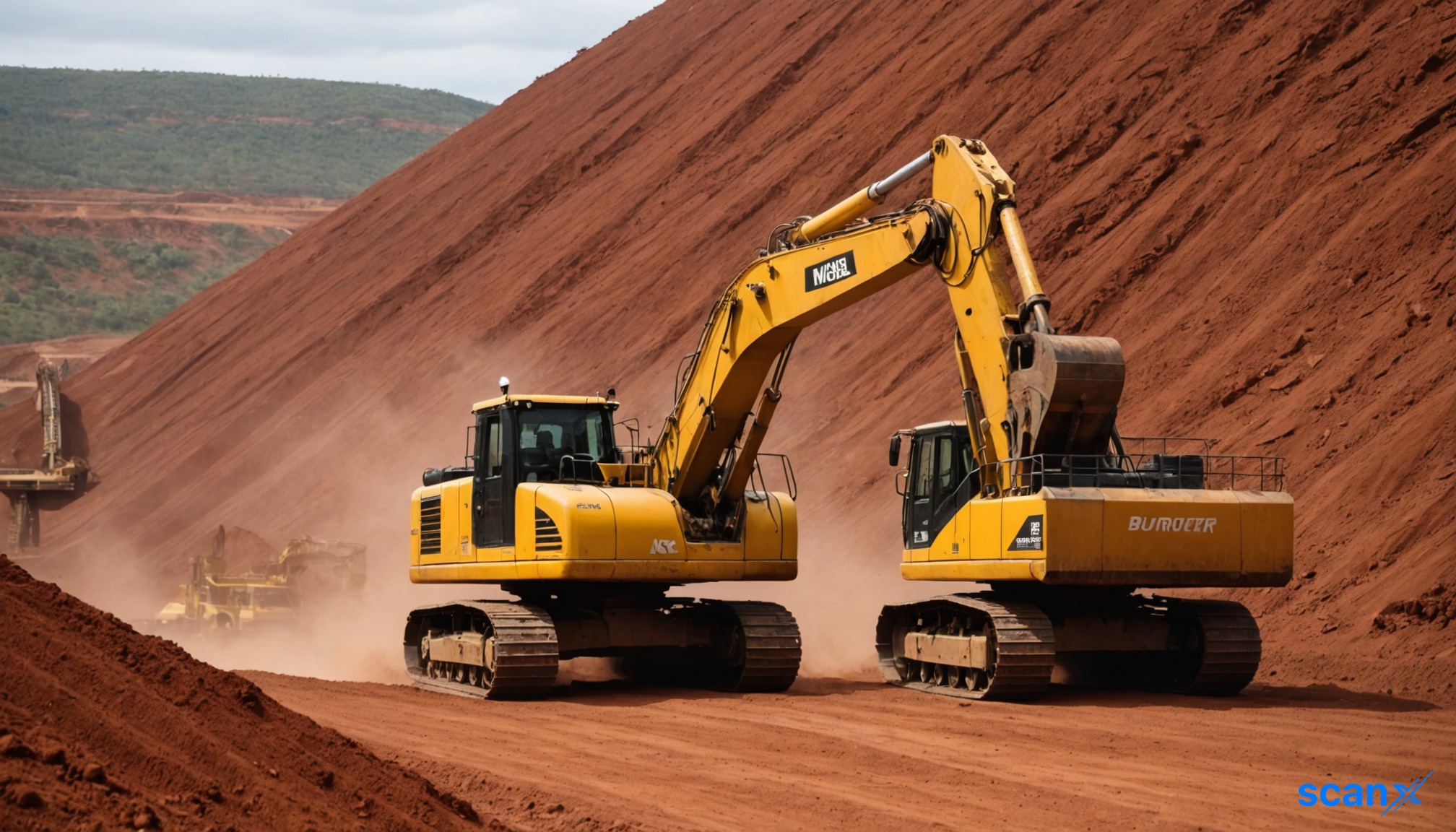

*this image is generated using AI for illustrative purposes only.
Gerdau (NYSE: GGB) reported consolidated adjusted EBITDA of BRL 3.4 billion for the second quarter of 2026, marking its strongest performance since the third quarter of 2023. The steelmaker’s North American operations drove the growth, with shipments rising 7% year-on-year and regional adjusted EBITDA expanding by 15% compared to the first quarter.
The company maintained strict financial discipline despite seasonal variations. Gerdau ended the quarter with a debt-to-EBITDA ratio of 0.69 times and generated positive free cash flow of BRL 237 million. This cash generation contributed to a total free cash flow surplus of BRL 2.3 billion in the first half of 2026 compared to the same period last year, driven by EBITDA growth in North America and reduced capital expenditure.
Financial Performance
Consolidated adjusted net income surged 45% quarter-on-quarter to BRL 1.5 billion. Management attributed this improvement to the translation of operating gains into shareholder returns. Consequently, Gerdau SA declared dividends of 23 cents per share, while Metalúrgica Gerdau announced payouts of 11 cents per share. The company also progressed on its share buyback program, which stands at 31% complete as of the end of the second quarter.
| Metric | Value | Change/Context |
|---|---|---|
| Consolidated Adjusted EBITDA | BRL 3.4 billion | Best since Q3 2023 |
| North America Shipment Growth | 7% | Year-on-year |
| North America Adjusted EBITDA | 15% increase | Quarter-on-quarter |
| Adjusted Net Income | BRL 1.5 billion | +45% QoQ |
| Debt-to-EBITDA Ratio | 0.69 times | Last 12 months |
| Free Cash Flow (Q2) | BRL 237 million | Positive |
Operational Updates
In Brazil, operations showed slight improvements amid ongoing pressure from high import levels. The company is awaiting results from anti-dumping investigations into long and flat steel products, expected in the second half of the year. To enhance competitiveness and align with decarbonization strategies, Gerdau increased its ownership in Dona Francisca Energética, raising self-generated energy consumption in Brazil to over 50%.
Strategic investments are nearing completion. The Miguel Burnier mining expansion is expected to begin operations in the third quarter, with full ramp-up projected to generate annual operational and financial benefits between BRL 1 billion and BRL 1.1 billion. Additionally, a new recycling center in Pindamonhangaba is set to open, reducing long-term exposure to raw material volatility.
What the Numbers Show
The divergence between North American strength and Brazilian headwinds defines the current quarter. While North American shipments grew 7% year-on-year, driven by resilient demand in renewable energy and data centers, Brazil faces margin compression from excessive imported steel. However, the consolidated result remains robust because the high-margin North American business offsets domestic pressures. The 45% quarter-on-quarter rise in adjusted net income to BRL 1.5 billion underscores this dynamic, as operating gains from the US region effectively shielded overall profitability from the softer Brazilian environment.
Outlook and Capital Allocation
Management remains cautious regarding US margins due to potential cost increases, including an 8.5% rise in freight expenses in North America linked to fuel issues. A maintenance shutdown at the Midlothian plant is expected to impact margins temporarily, though management does not anticipate any drop in shipments due to sufficient billet inventory.
Looking ahead, Gerdau plans to reduce capital expenditure guidance. Maintenance capex, previously guided at around BRL 3 billion annually, may be lowered as asset lifespans extend. Any savings will be redirected toward competitive projects in Brazil and North America rather than debt reduction or additional shareholder remuneration, reflecting a focus on structural competitiveness over immediate leverage reduction.

How might the outcome of the pending anti-dumping investigations in Brazil impact Gerdau's domestic margins and market share in the second half of 2026?
Will the anticipated annual benefits from the Miguel Burnier mining expansion be sufficient to offset the projected 8.5% increase in North American freight costs?
Given the decision to redirect capex savings toward competitive projects rather than debt reduction, how will this strategy affect Gerdau's leverage profile and credit rating outlook?
 16
16




 Access Market Heat-map & Insights
  Create, Save & Share your Screener
  Use 200+ Screening Filters





