

Fujiyama Commissions 2,000 MW Solar Panel Facility at Ratlam


Fujiyama Power Systems Limited commissioned its 2,000 MW solar panel manufacturing facility at Ratlam, raising total solar panel capacity to 3,568 MW. The plant will initially operate at 1,000 MW under single shift, ramping up to full capacity by Q4FY27. Inverter and battery manufacturing lines are scheduled for commissioning in Q1FY27 and Q2FY27, respectively, following delays due to technology upgrades and supply chain factors.

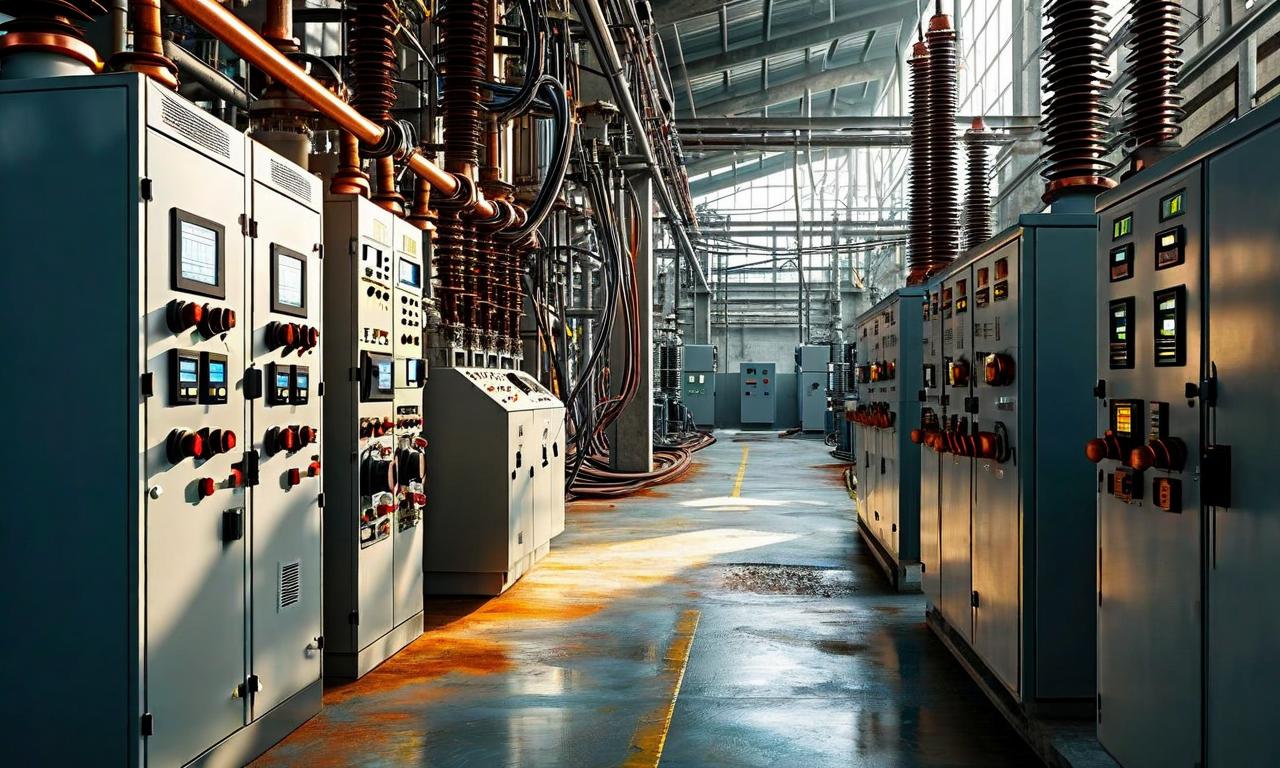

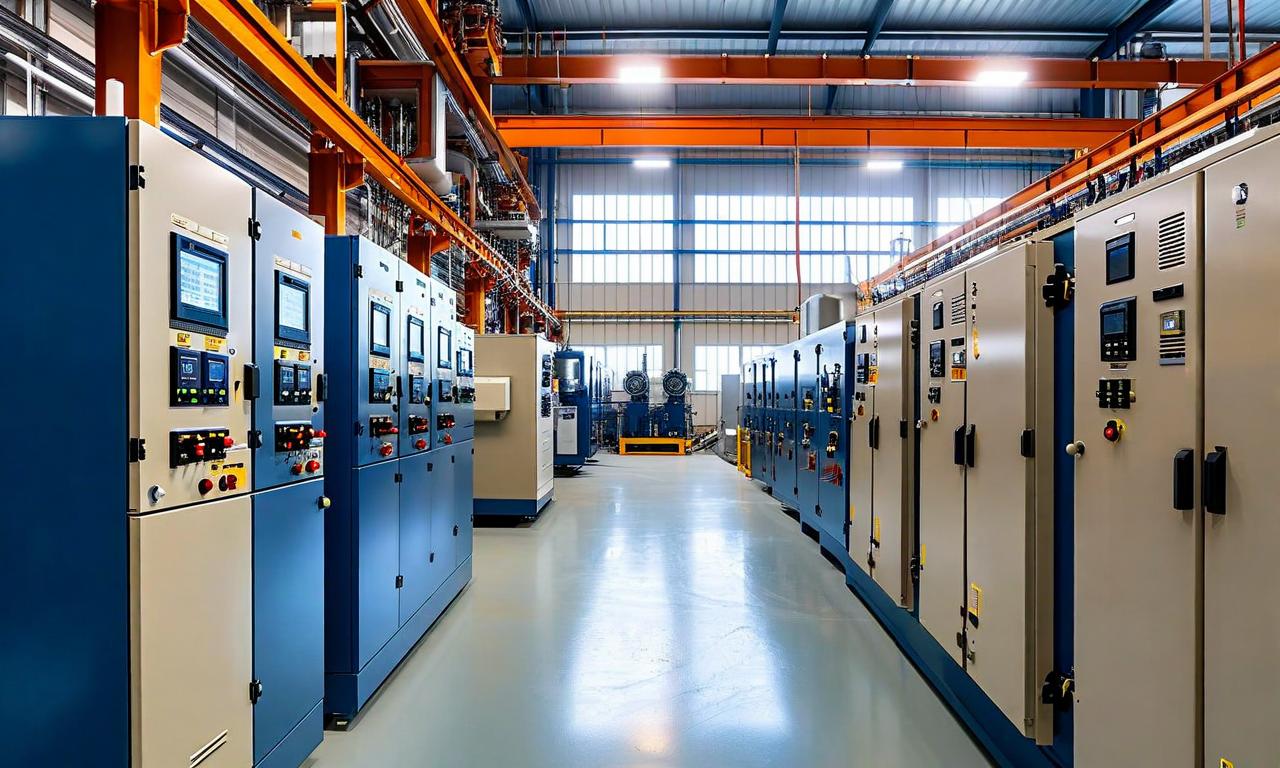
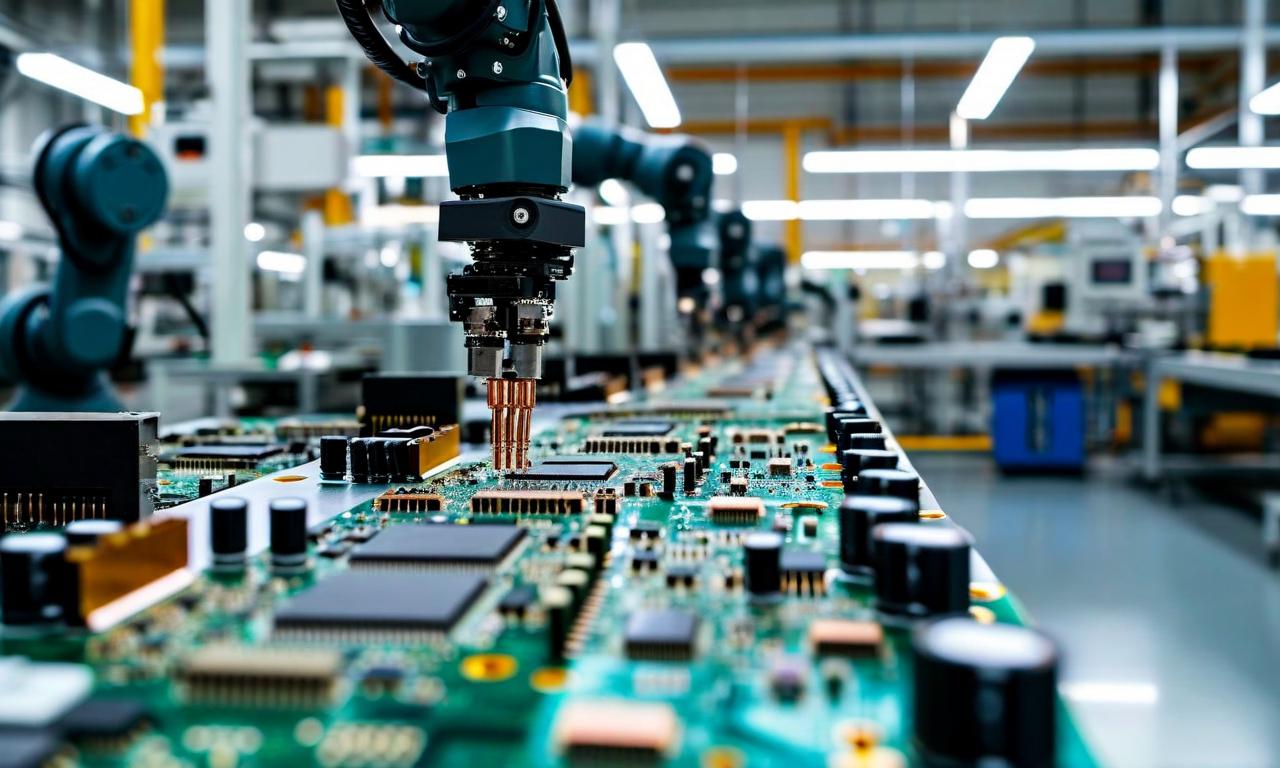
*this image is generated using AI for illustrative purposes only.
Fujiyama Power Systems Limited has announced the commissioning of its 2,000 MW solar panel manufacturing facility at Ratlam, Madhya Pradesh. This greenfield expansion marks a significant milestone in the company's strategy to strengthen its integrated solar manufacturing capabilities. With this development, Fujiyama's total solar panel manufacturing capacity has increased to 3,568 MW. The facility is part of a larger project planned with a manufacturing capacity of 2,000 MW each for solar panels, batteries, and inverters.
Operational Status and Expansion Timeline
The Ratlam plant will initially operate at an annualised capacity of approximately 1,000 MW under a single-shift operation. The company plans a gradual ramp-up through double-shift operations to achieve full capacity utilisation by Q4FY27. While the solar panel line is now commissioned, the timelines for power electronics and battery manufacturing capacities experienced delays due to the incorporation of the latest advancements in lithium-ion battery technology and geopolitical supply chain impacts.
With these factors addressed, the inverter manufacturing line is expected to be commissioned in the first quarter of FY27, as requisite machinery has already been received. Machinery orders for the battery manufacturing line have been placed, with commissioning expected in the second quarter of FY27.
Capacity Overview
The table below summarises the manufacturing initiatives and their current status:
| Manufacturing Initiative | Details |
|---|---|
| Solar Panel Production Line | 2,000 MW capacity, Ratlam — commissioned |
| Inverter Manufacturing Line | Machinery received; commissioning expected Q1FY27 |
| Battery Manufacturing | Machinery ordered; commissioning expected Q2FY27 |
Fujiyama's total product capacity across all facilities is presented below:
| Product | Existing Capacity | Expansion Capacity |
|---|---|---|
| Power Electronics | 2,180 MW | +2,000 MW |
| Solar Cells | 1,000 MW | +1,200 MW |
| Solar Panels | 3,568 MW | — |
| Lithium-Ion Batteries | 545 MWh | +2,000 MWh |
| Tubular Batteries | 1,318 MWh | — |
Strategic Impact
Commenting on the commissioning, Pawan Kumar Garg, Chairman and Joint Managing Director, said: "The commissioning of our solar panel manufacturing facility at Ratlam marks an important milestone in Fujiyama's growth journey and manufacturing expansion strategy. This greenfield project strengthens our ability to serve the rapidly growing domestic rooftop solar market with higher manufacturing scale, improved operational efficiencies and greater control across the value chain."
The Ratlam expansion strengthens Fujiyama's manufacturing footprint and supports the company's long-term strategy of increasing backward integration, improving supply-chain efficiencies, and expanding manufacturing scale.
Source: None/Company/INE12UR01024/73310a46860c4f53.pdf
Historical Stock Returns for Fujiyama Power Systems
| 1 Day | 5 Days | 1 Month | 6 Months | 1 Year | 5 Years |
|---|---|---|---|---|---|
| -2.03% | -2.29% | -10.07% | +81.86% | +93.20% | +93.20% |

How might the Bawal facility fire impact Fujiyama's near-term revenue and order fulfillment commitments, and what is the estimated timeline for restoration of its 71 MW solar panel capacity?
With inverter and battery manufacturing lines expected to come online by Q1-Q2 FY27, how will full vertical integration at Ratlam affect Fujiyama's cost structure and pricing competitiveness against rivals like Waaree and Premier Energies?
Given geopolitical supply chain disruptions that delayed lithium-ion battery machinery, what sourcing strategy is Fujiyama adopting to mitigate future procurement risks for critical battery components?
 15
15







 Create Custom Screeners
  Access 200+ Pre-built Filters
  Use 50+ Readymade Screener





