

Ferrari N.V. Q2 Results: Net profit rises 9% YoY, guidance raised


Ferrari N.V. delivered a strong Q2 2026 performance with net profit rising 9% to €463 million and revenue hitting €1.94 billion, driven by high personalization rates and premium model sales. Despite a 3.7% drop in shipments, the company raised full-year revenue and EPS guidance, citing robust demand for limited-edition vehicles like the F80 and upcoming electric models.


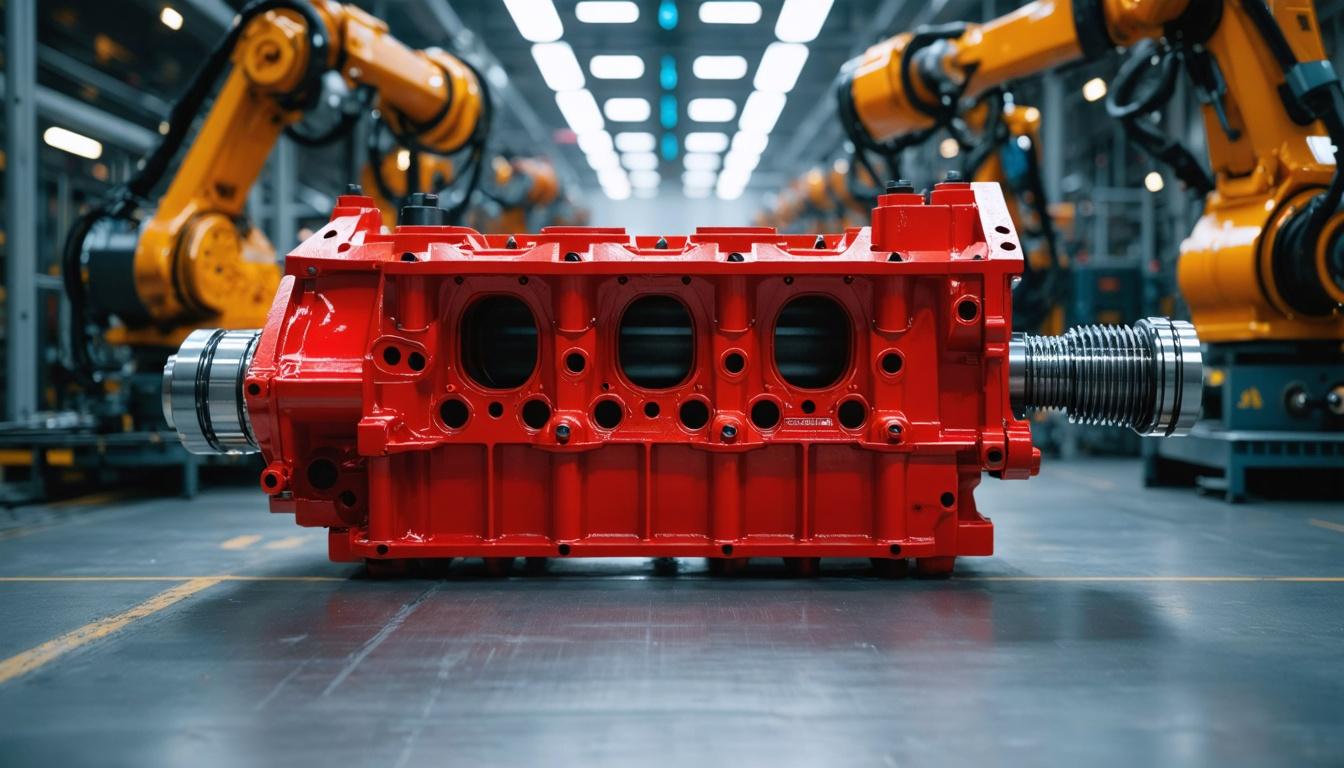
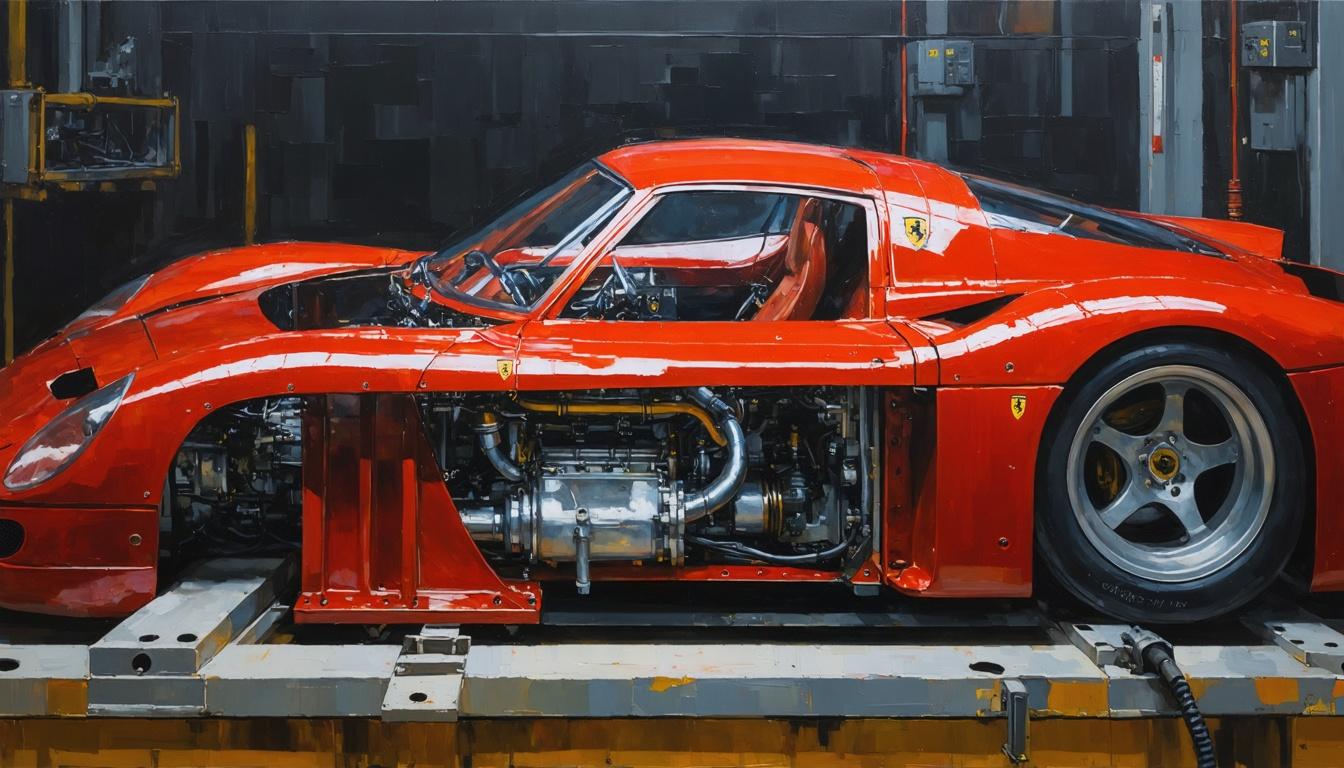
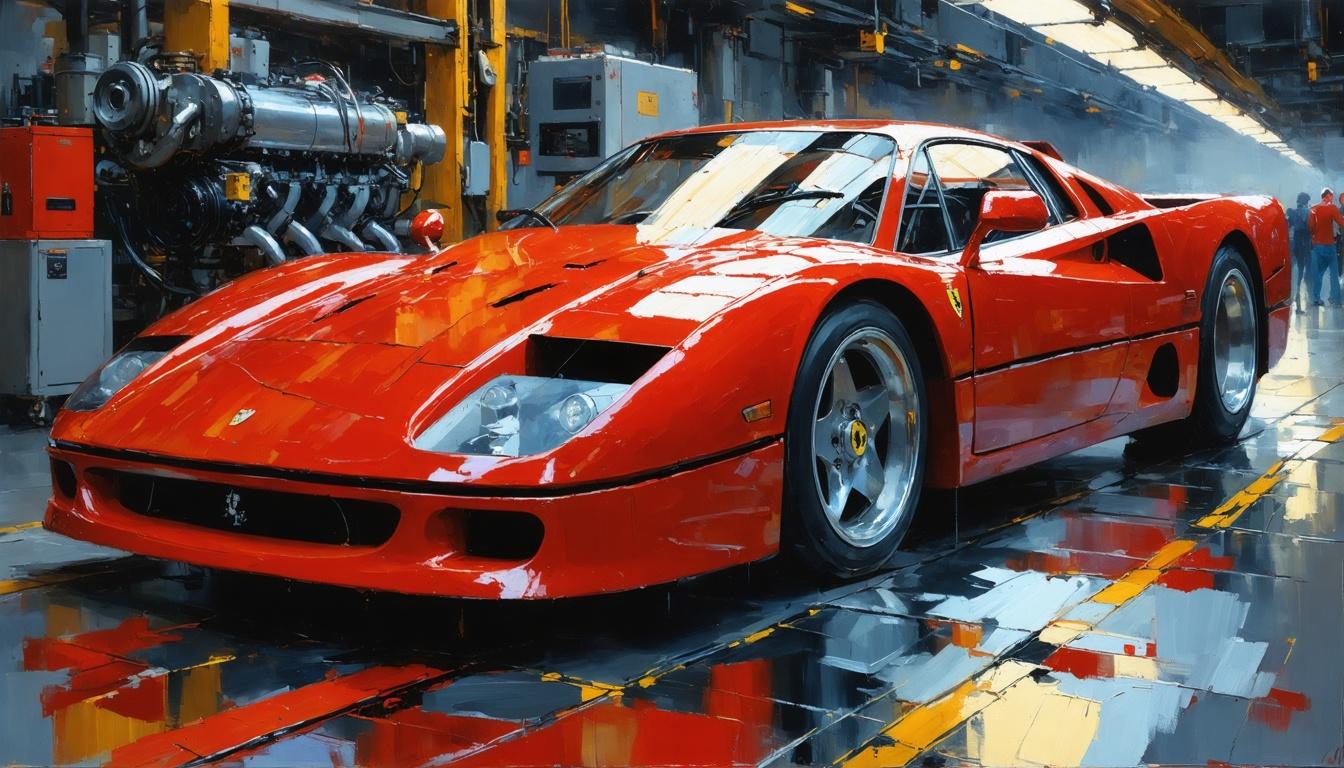
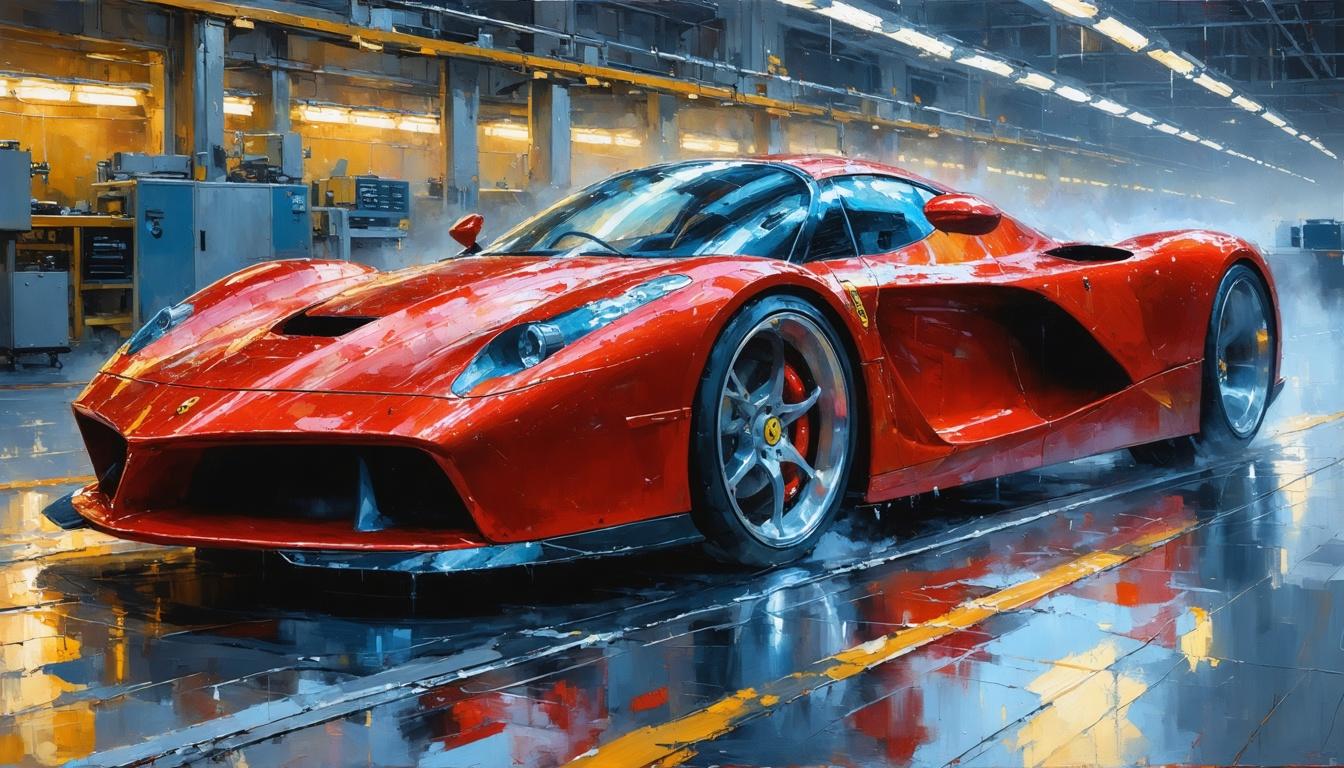
*this image is generated using AI for illustrative purposes only.
Ferrari N.V. (NYSE: RACE) reported fiscal second-quarter 2026 results showing a 9% year-over-year increase in net profit to 463 million euros, driven by robust demand for customized supercars and a shift toward higher-value models. The Italian automaker posted revenue of 1.94 billion euros ($2.25 billion), an 8% increase from the prior year, surpassing analyst consensus estimates of $2.14 billion. Earnings per share came in at 2.62 euros ($3.05), exceeding expectations of $2.83. This performance underscores Ferrari’s ability to maintain pricing power and margin resilience despite a slight decline in total vehicle shipments.
The financial strength was underpinned by operational efficiency and strategic product positioning. EBITDA rose 7% to 755 million euros, although the margin contracted by 70 basis points to 39.0%. Operating cash flow totaled 437 million euros, with free cash flow reaching 201 million euros. As of June 30, 2026, Ferrari reported net industrial debt of 131 million euros, a shift from the net industrial cash position of 388 million euros recorded as of March 31, 2026. Total cash and equivalents stood at 1.49 billion euros.
Segment Performance and Margins
Revenue from cars and spare parts increased 8% year over year, fueled by a richer sports-car mix and elevated personalization spending. CFO Antonio Picca Piccon noted that personalization exceeded expectations, accounting for more than 20% of cars and spare-parts revenue. Growth was supported by upgrades in carbon fiber components, paint options, rims, and special leathers. Meanwhile, sponsorship, commercial, and brand revenue grew 2%, aided by higher sponsorship deals, though this was partially offset by lower Formula 1 commercial revenues. Total shipments declined 3.7% to 3,366 units, reflecting the company’s disciplined approach to scarcity.
| Metric | Q2 2026 Value | Change |
|---|---|---|
| Revenue | 1.94 billion euros | +8% YoY |
| Net Profit | 463 million euros | +9% YoY |
| EBITDA | 755 million euros | +7% YoY |
| EBITDA Margin | 39.0% | -70 bps |
| EPS | 2.62 euros | Beat est. |
| Shipments | 3,366 units | -3.7% YoY |
Executive Commentary and Product Mix
CEO Benedetto Vigna attributed the strong quarter to disciplined execution and healthy demand, highlighting that stronger-than-expected personalization supported the raised full-year guidance. The current product cycle is weighted toward higher-value models, including the F80 hybrid supercar, priced at 3.6 million euros and limited to 799 units, and the Purosangue Handling Speciale. Bloomberg reported that Citi analyst Harald Hendrikse estimated Ferrari sold 60 to 70 F80s in the quarter, near the model’s expected peak quarterly pace. Additionally, Ferrari introduced the limited-edition 12Cilindri Manuale on July 3, targeting traditional enthusiasts with a manual-gearbox 12-cylinder option.
What the Numbers Show
The divergence between declining shipment volumes (-3.7%) and rising revenue (+8%) highlights Ferrari’s successful strategy of extracting higher value per unit through customization and premium model mix. While total units sold decreased, the significant contribution of personalization—now over 20% of car and spare parts revenue—demonstrates that customers are willing to pay substantial premiums for exclusivity. This allows Ferrari to grow top-line revenue and profitability without relying on volume expansion, insulating the business from broader automotive market pressures.
Outlook and Guidance
Ferrari raised its fiscal 2026 revenue forecast to approximately 7.60 billion euros ($8.84 billion), up from the prior outlook of about 7.50 billion euros, beating the analyst consensus of $8.72 billion. The company also increased its adjusted earnings per share expectation to at least 9.68 euros ($11.25), up from the previous estimate of at least 9.45 euros, compared with market estimates of $11.24. Vigna stated that the order book fully covers 2027, providing strong visibility as the company balances scarcity, pricing power, and new model launches, including the first electric model, Ferrari Luce, which has seen orders in line with plans from both existing and new customers.

How will the transition to the Ferrari Luce electric model impact the brand's exclusivity strategy and margin structure compared to its internal combustion engine lineup?
What are the long-term implications of Ferrari's shift from a net cash position to net industrial debt for future capital allocation and shareholder returns?
Can Ferrari sustain its pricing power and personalization premiums as global luxury demand faces potential macroeconomic headwinds in 2027?
 17
17






 Access 50+ Readymade Screeners
  Use 200+ Custom Filters
  Get Full Market Insights





