

DEE Development Engineers reaffirms ₹1,500 crore revenue target for FY27


DEE Development Engineers delivered a record Q1FY27 performance with ₹16.1 crore net profit and ₹49.7 crore EBITDA. Management reaffirmed FY27 guidance of ₹1,500 crore revenue and >19% EBITDA margin, backed by a ₹2,428 crore order book and successful ₹300 crore preferential issue for debt reduction.



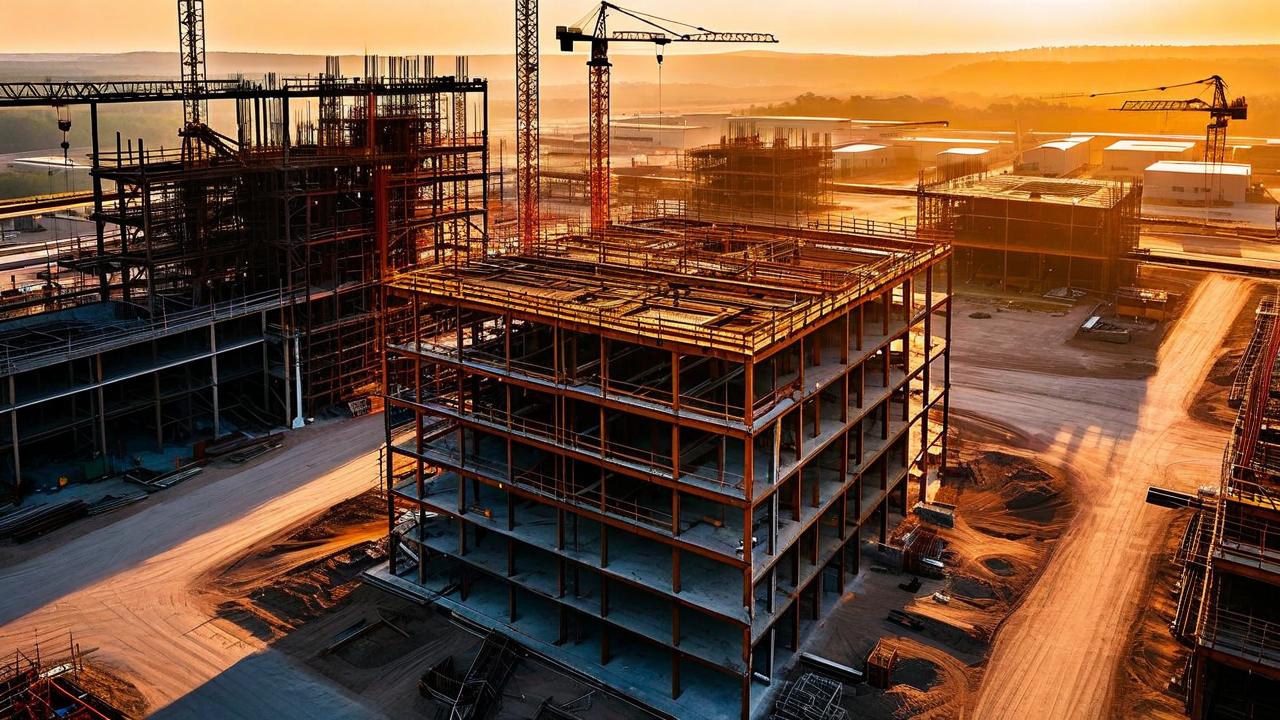
*this image is generated using AI for illustrative purposes only.
DEE Development Engineers reaffirmed its FY27 revenue guidance of ₹1,500 crore and an EBITDA margin exceeding 19% during its earnings conference call on August 6, 2026. The company reported a consolidated net profit of ₹16.1 crore for Q1FY27, up 22.4% year-on-year, driven by robust execution in the piping segment and the initial contribution from its newly commissioned seamless pipe plant. Chairman and Managing Director Krishan Lalit Bansal stated that the firm expects to exceed its revenue target, citing a strong order pipeline and improved operational leverage.
The financial results reflect a consolidated revenue from operations of ₹294.5 crore, a 31.6% increase from ₹223.8 crore in Q1FY26. Operating EBITDA reached a record ₹49.7 crore, up 38.7% year-on-year, with margins expanding to 16.9% from 16.0%. Despite the top-line surge, PAT margin contracted slightly by 41 basis points to 5.5%, influenced by higher material costs in power sector projects and tax rate fluctuations due to consolidation of the Thailand subsidiary. The Board of Directors approved the results on August 4, 2026, with statutory auditors S.R. Batliboi & Co. LLP issuing a limited review report.
Financial Performance Breakdown
| Metric: | Q1FY27 (₹ Cr) | Q1FY26 (₹ Cr) | YoY Change |
|---|---|---|---|
| Revenue from Operations: | 294.5 | 223.8 | 31.6% |
| Operating EBITDA: | 49.7 | 35.9 | 38.7% |
| Operating EBITDA Margin: | 16.9% | 16.0% | 86 bps |
| Net Profit After Tax: | 16.1 | 13.1 | 22.4% |
| PAT Margin: | 5.5% | 5.8% | (41) bps |
| Diluted EPS: | 2.32 | 1.90 | 22.1% |
Strategic Developments and Order Book
The closing order book stood at ₹2,428 crore as of June 30, 2026, representing a 92.5% year-on-year growth. A significant highlight was a domestic purchase order worth ₹386.82 crore from Bharat Petroleum Corporation Limited for piping supply. Management expects total order inflow for FY27 to exceed ₹2,000 crore, with approximately 50% of business coming from export markets. The Thailand facility is fully booked for the next three years, with revenue targets of ₹170–200 crore, though no capacity expansion is planned there. Instead, focus remains on ramping up the Anjar facility, which aims for 60–65% utilization this year and 100% by FY29.
The company also secured new traction with global OEMs. While HRSG orders from GE face delays, DEE has signed a memorandum of understanding with Siemens for gas turbine piping, starting with 10 units next year valued at €1–1.5 million per unit. Additionally, Nooter Eriksen has awarded fresh orders, keeping the Thailand unit busy. In the non-core segment, the biomass pellet plant, commissioned midway through Q1, has an installed capacity of 72,000 MT per annum. Management targets ₹80 crore combined revenue from non-core operations in FY26, supported by revised tariffs and pellet production.
Capital Structure and Working Capital
DEE completed a ₹300 crore preferential issue in July 2026, with net proceeds of approximately ₹293 crore. Around ₹225 crore is earmarked for debt repayment, expected to reduce net debt from ₹718 crore at Q1FY27 close to ₹400–425 crore by FY27 end. This deleveraging aims to lower finance costs and improve return ratios. Working capital dynamics showed inventory days falling from 243 to 174 days, while debtor days increased from 99 to 123 days. Creditor days dropped sharply from 66 to 34 days, as the company prioritizes prompt payments to MSME vendors and larger suppliers to secure price leverage. The overall working capital cycle improved from 276 to 263 days, with a long-term target of 180–200 days.
What the Numbers Show
A key divergence exists between gross margin volatility and stable EBITDA guidance. Gross margins have trended downward due to a higher mix of power sector jobs involving raw material procurement, compared to job-work orders prevalent previously. However, conversion costs in power projects are lower, supporting the >19% EBITDA margin target. The seamless pipe plant, designed for high-wall thickness pipes for coal-fired boilers, is expected to contribute ~20% EBITDA on its own sales, further bolstering profitability. With no new debt planned for FY27 and a strong order book, the company is positioned to enhance asset turnover, which currently stands at 1.39x, up from 1.33x in Q4FY26.
Historical Stock Returns for DEE Development Engineers
| 1 Day | 5 Days | 1 Month | 6 Months | 1 Year | 5 Years |
|---|---|---|---|---|---|
| -2.02% | -6.74% | +9.41% | +146.68% | +148.62% | +97.78% |

How might the transition from job-work orders to raw material procurement in power sector projects impact DEE's exposure to commodity price volatility and gross margin stability in FY28?
What are the potential risks associated with relying on the Anjar facility to reach 100% utilization by FY29, given the current ramp-up challenges and the static capacity plan for the Thailand unit?
Could the significant reduction in creditor days from 66 to 34 days strain cash flow if debtor days continue to rise, potentially offsetting the benefits of deleveraging?
 19
19








 Create Custom Screeners
  Access 200+ Pre-built Filters
  Use 50+ Readymade Screener





