CoreWeave Q2FY26 Results: Revenue surges 112% to $2.58 billion

scanx
Reviewed by
Riya DScanX News Team
Key Highlights
  • CoreWeave Q2 revenue surges 112% YoY to record $2.58 billion
  • Adjusted loss per share of $1.03 beats consensus estimates
  • Revenue backlog expands to $104 billion with $25 billion in new commitments
  • Contribution margins on new contracts rise 5-10 percentage points
  • Active power footprint grows to 1.5 gigawatts
powered bylight_fuzz_icon
49303533

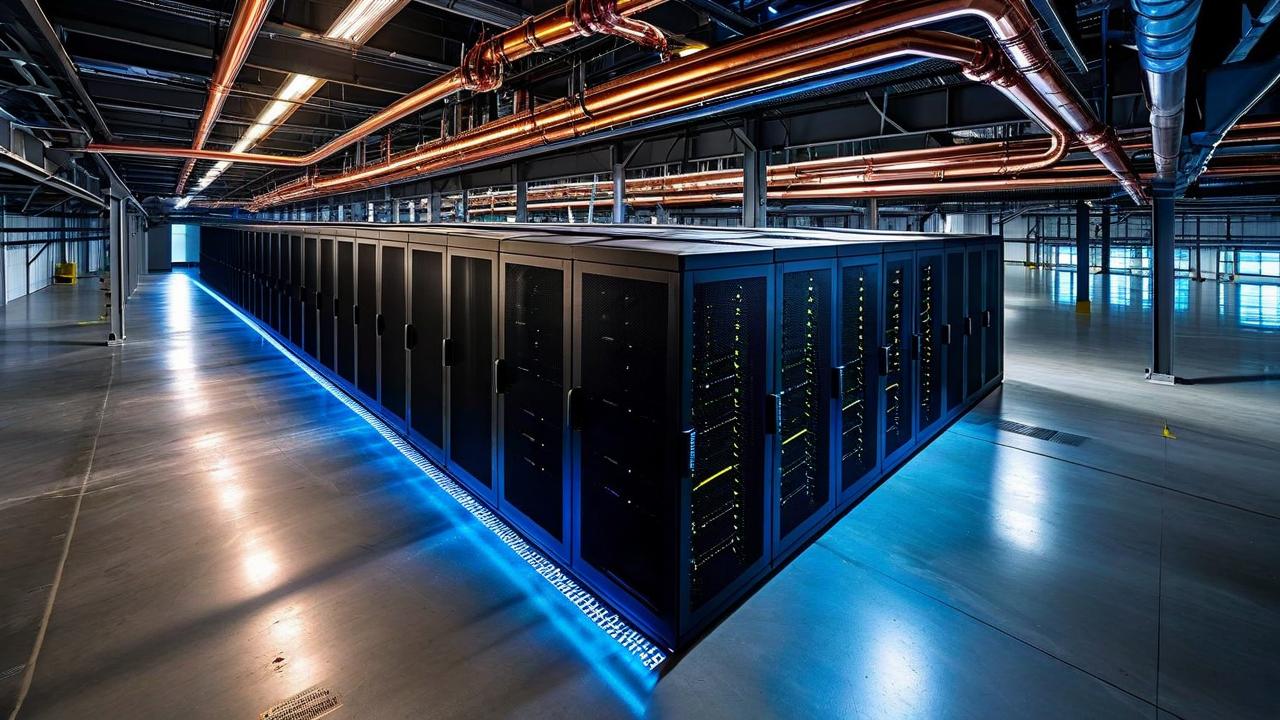
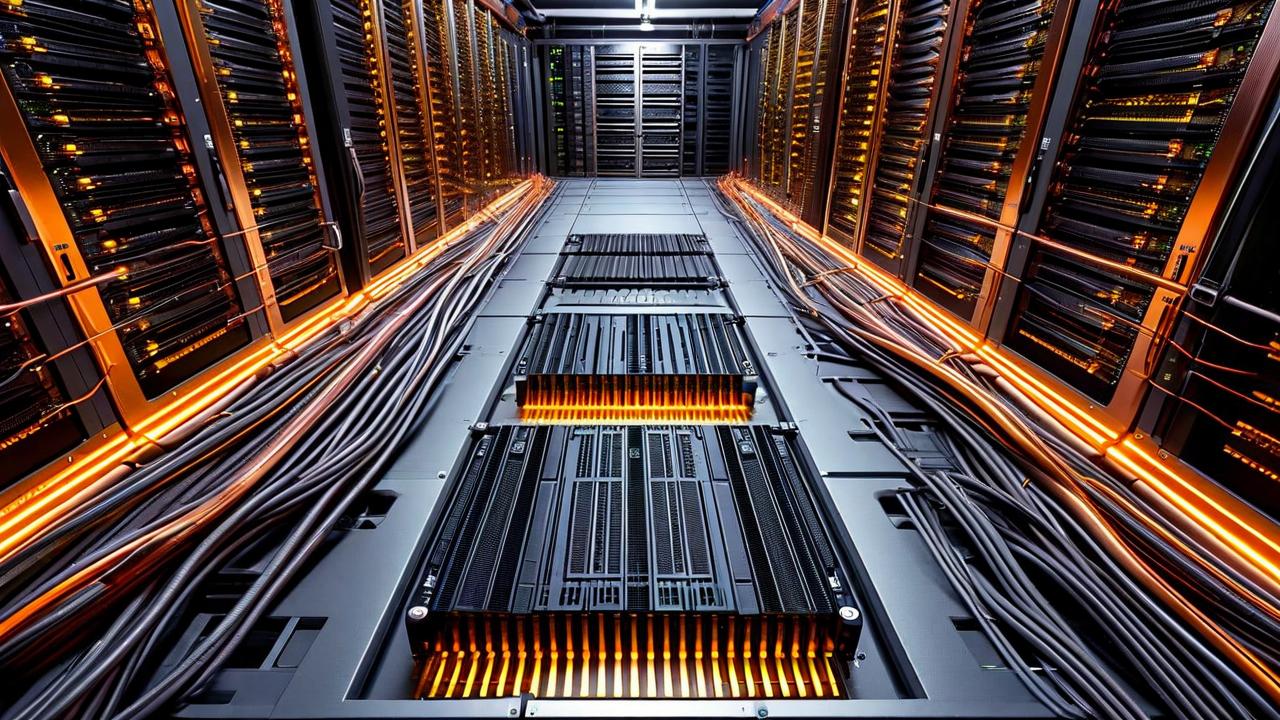
*this image is generated using AI for illustrative purposes only.

CoreWeave Inc (NASDAQ: CRWV) reported record second-quarter revenue of $2.58 billion, marking a 112% year-over-year increase driven by unprecedented demand for AI infrastructure.

The cloud computing provider posted an adjusted loss per share of $1.03, beating consensus estimates. The stock traded slightly lower Wednesday morning, consolidating after a 25% gain over the past month following the earnings release on Aug. 11.

Financial Performance and Backlog Growth

Revenue surged significantly as the company expanded its operational scale. The revenue backlog reached approximately $104 billion as of June 30. Management noted that over $25 billion in net new customer commitments were added in the early weeks of the third quarter alone.

Metric Value
Q2 Revenue $2.58 billion
Revenue Growth (YoY) 112%
Adjusted Loss Per Share $1.03
Revenue Backlog (as of June 30) $104 billion
Active Power Footprint 1.5 gigawatts

Margin Expansion and Capacity Utilization

CEO Mike Intrator emphasized that operating leverage is beginning to show clearly in financial performance. Management stated that near-term capacity remains effectively sold out. Pricing and margins for next-generation architecture SKUs are setting new highs.

Customer contracts signed during the quarter carried contribution margins 5 to 10 percentage points above prior periods. This margin expansion indicates improved pricing power despite the substantial capital expenditures required for growth.

Strategic Outlook and Debt Management

Wall Street remains focused on managing the company's substantial debt load and elevated capital expenditures. These investments are necessary to reach the targeted 8-gigawatt capacity goal by 2030. Analysts at Freedom Capital Markets pointed to improving structural profitability amid these capital-intensive expansions.

What the Numbers Show

The divergence between the 112% revenue growth and the reported adjusted loss highlights the company's heavy investment phase. However, the 5 to 10 percentage point improvement in contribution margins on new contracts suggests that unit economics are strengthening even as the company scales its power footprint to 1.5 gigawatts.

How will CoreWeave's $104 billion revenue backlog translate into actual cash flow given the current timeline for data center construction and power availability?

What specific strategies is CoreWeave employing to manage its substantial debt load while pursuing the capital-intensive goal of reaching 8 gigawatts by 2030?

Can CoreWeave sustain the 5 to 10 percentage point margin expansion on new contracts as competition from hyperscalers intensifies in the AI infrastructure market?

like18
dislike

CoreWeave $2.6B debt deal could boost profits: Freedom Capital

scanx
Reviewed by
Anirudha BScanX News Team
Key Highlights
  • CoreWeave secured a $2.6 billion delayed-draw term loan with an interest rate of 8.2%-9.2%
  • Loan maturity of five years exceeds the three-year average duration of backing customer contracts
  • Freedom Capital Markets maintains Buy rating, citing higher pricing for shorter-term AI contracts
  • Analyst projects adjusted operating margin to rise from 7% in Q3 to 15% in Q4
  • Adjusted EBITDA margins could approach 69% by year-end if projections materialize
powered bylight_fuzz_icon
49225328

*this image is generated using AI for illustrative purposes only.

CoreWeave (NASDAQ: CRWV) faces investor scrutiny over a recent $2.6 billion financing deal that raised concerns about leverage and borrowing costs. However, Freedom Capital Markets maintains a Buy rating, arguing the transaction supports higher-margin business lines.

The delayed-draw term loan carries an approximate five-year maturity and an interest rate equivalent to roughly 8.2% to 9.2%. This structure contrasts with the roughly three-year average duration of the customer contracts backing the facility. The mismatch in tenors and the elevated cost of capital contributed to selling pressure on shares amid broader caution toward AI infrastructure stocks.

The Bull Case Hinges on Higher-Priced AI Contracts

Analyst Paul Meeks noted that shorter-term contracts are now pricing at much higher rates. This repricing power allows CoreWeave to offset the higher cost of borrowing associated with the new financing. The company stated that lenders' willingness to finance these shorter-duration agreements reflects confidence in long-term demand for AI infrastructure.

Meeks expects significant margin expansion as a result of this dynamic. He projects adjusted operating margin to improve from 7% in the third quarter to 15% in the fourth quarter. Additionally, adjusted EBITDA margins could approach 69% by year-end.

What the Numbers Show

The divergence between the loan's five-year maturity and the three-year average contract duration highlights a structural shift in CoreWeave's funding model. By securing longer-term debt for shorter-term, higher-yielding contracts, the company aims to capture margin expansion. If the projected rise in operating margins materializes, the focus may shift from leverage concerns to cash-flow generation.

Metric Current/Previous Projected/Future
Adjusted Operating Margin 7% (Q3) 15% (Q4)
Adjusted EBITDA Margin Not specified ~69% (Year-end)
Loan Interest Rate N/A 8.2% - 9.2%
Loan Maturity N/A ~5 years

Freedom Capital Markets reiterated its Buy rating with a $151 price target after hosting a non-deal roadshow with CoreWeave's investor relations team. The firm suggests investors should focus on whether the company can consistently reprice AI cloud contracts to offset financing costs rather than solely on the interest expense.

How might CoreWeave's strategy of locking in long-term debt against shorter-term contracts impact its refinancing risk if AI infrastructure demand softens after the three-year mark?

What specific operational or pricing milestones must CoreWeave achieve to sustain the projected jump in adjusted operating margins from 7% to 15% beyond Q4?

Could the high borrowing costs of 8.2% to 9.2% erode CoreWeave's competitive advantage against hyperscalers that may have access to cheaper capital for similar AI infrastructure builds?

like19
dislike

More News on CoreWeave Inc