

CoreWeave shares fall 5.9% in after-hours amid insider sales and debt warnings


- Shares fell 5.93% in after-hours trading to $61.88 after a 15.46% regular session drop
- CFO Nitin Agrawal and CRO Jonathan Jones sold shares worth approximately $4.75 million combined
- Analyst Gil Luria warned equity value could be zero due to high borrowing costs vs low returns
- Stock RSI is 29.18, signaling oversold territory with a 52-week low of $60.55



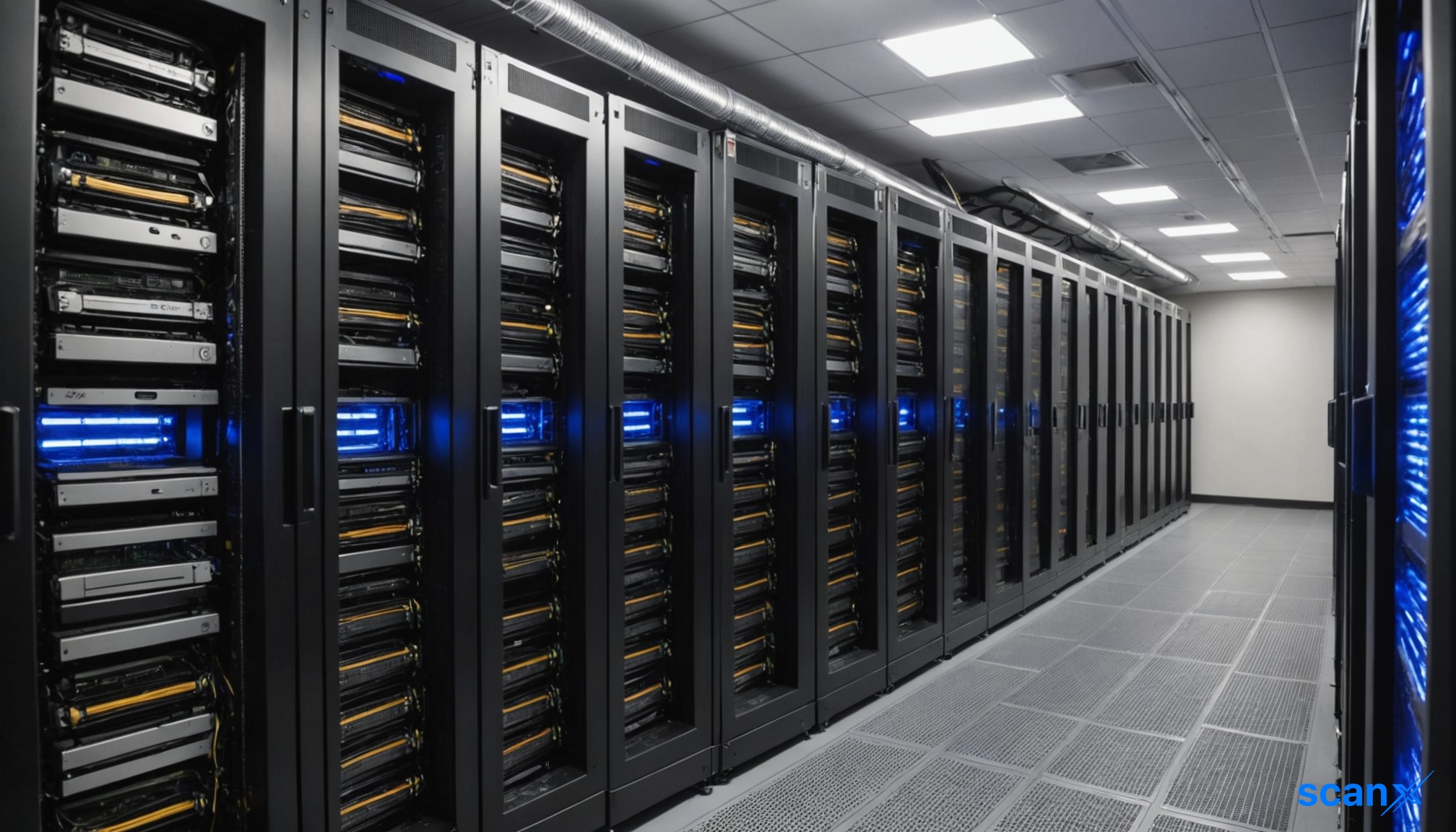
*this image is generated using AI for illustrative purposes only.
CoreWeave Inc shares fell 5.93% to $61.88 in after-hours trading on Wednesday, following a regular session decline of 15.46% to close at $65.78. The drop coincides with new disclosures of insider selling by senior executives, adding pressure to an already volatile stock.
Insider transactions add to selling pressure
On Wednesday, Chief Financial Officer Nitin Agrawal and Chief Revenue Officer Jonathan Jones reported selling shares under pre-arranged plans. Agrawal sold 22,579 Class A shares on Monday at weighted-average prices of $79.95 and $80.51, totaling approximately $1.81 million. Jones sold 37,380 shares on Monday and Tuesday at prices between $76.30 and $80.37, with a total transaction value of about $2.94 million.
Analyst flags debt risk
The selling follows a stark warning from D.A. Davidson analyst Gil Luria, who stated that CoreWeave's equity value could be zero if the AI spending cycle weakens. Luria highlighted the spread between borrowing costs and asset yields, noting the company borrows at approximately 9% while earning returns of just 1% on its investments. Even the target return of 4% to 5% remains below its cost of capital.
Recent financial disclosures highlight this pressure:
| Metric | Q2 Value | Prior Year | Change |
|---|---|---|---|
| Net Interest Expense | $640 million | $267 million | +140% |
| Net Loss | $626 million | N/A | N/A |
| Unsecured Bond Yields | Near 15% | N/A | N/A |
CreditSights analyst Jordan Chalfin told the Financial Times that investors are concerned about the mismatch between long data-center leases and shorter customer contracts. In a severe restructuring scenario, creditors would hold priority over shareholders.
Management defends expansion strategy
Co-founder Brannin McBee rejected the characterization of the company's finances as precarious. "I don't look at that as scary debt at all," McBee said, arguing that leverage enables faster expansion of AI infrastructure. He contended that current spending reflects growth rather than weakness, stating that if the company stopped building today, it would be "immensely cash-flow positive." However, the $104 billion backlog represents contracted future revenue, not immediate profit.
The company’s combined debt and lease obligations stood at approximately $52 billion as of the end of June. Visible Alpha consensus forecasts project cumulative negative free cash flow of $71 billion between 2026 and 2028. CoreWeave is currently seeking cheaper financing from insurers to fund continued construction.
Market reaction and ratings
D.A. Davidson downgraded CoreWeave to Neutral from Buy in May, cutting the price target from $175 to $100. On prediction market Polymarket, traders assigned a 13% probability to CoreWeave announcing bankruptcy by December 2027, with odds rising to 27% by 2029.
CoreWeave has a market capitalization of about $36.28 billion. Over the past 52 weeks, its stock has traded as high as $150.40 and as low as $60.55. The Relative Strength Index (RSI) stands at 29.18, indicating oversold conditions, while the stock has fallen 52.76% over the past 12 months.

Will CoreWeave's attempt to secure cheaper financing from insurers succeed in narrowing the spread between its 9% borrowing costs and 1% asset yields?
How might the mismatch between long-term data center leases and shorter customer contracts impact CoreWeave's liquidity if AI demand slows in late 2024?
What specific operational milestones must CoreWeave achieve to convert its $104 billion backlog into positive free cash flow before the projected $71 billion deficit period begins?













 Access Market Heat-map & Insights
 Create, Save & Share your Screener
 Use 200+ Screening Filters





