

Chaman Lal Setia Exports files FY26 BRSR; logs ₹14,000 crore turnover


- Chaman Lal Setia Exports reported FY26 turnover of ₹13,999.91 crore with 91% export contribution
- Profit after tax reached ₹1,147.79 crore, with CSR spending at 3.15% of PAT
- Related-party sales fell to 3.46% of total revenue from 7.69% in FY25
- Total waste generated was 198.85 metric tonnes, fully recycled via authorized vendors
- Water withdrawal rose to 16,236.61 kiloliters, sourced entirely from groundwater

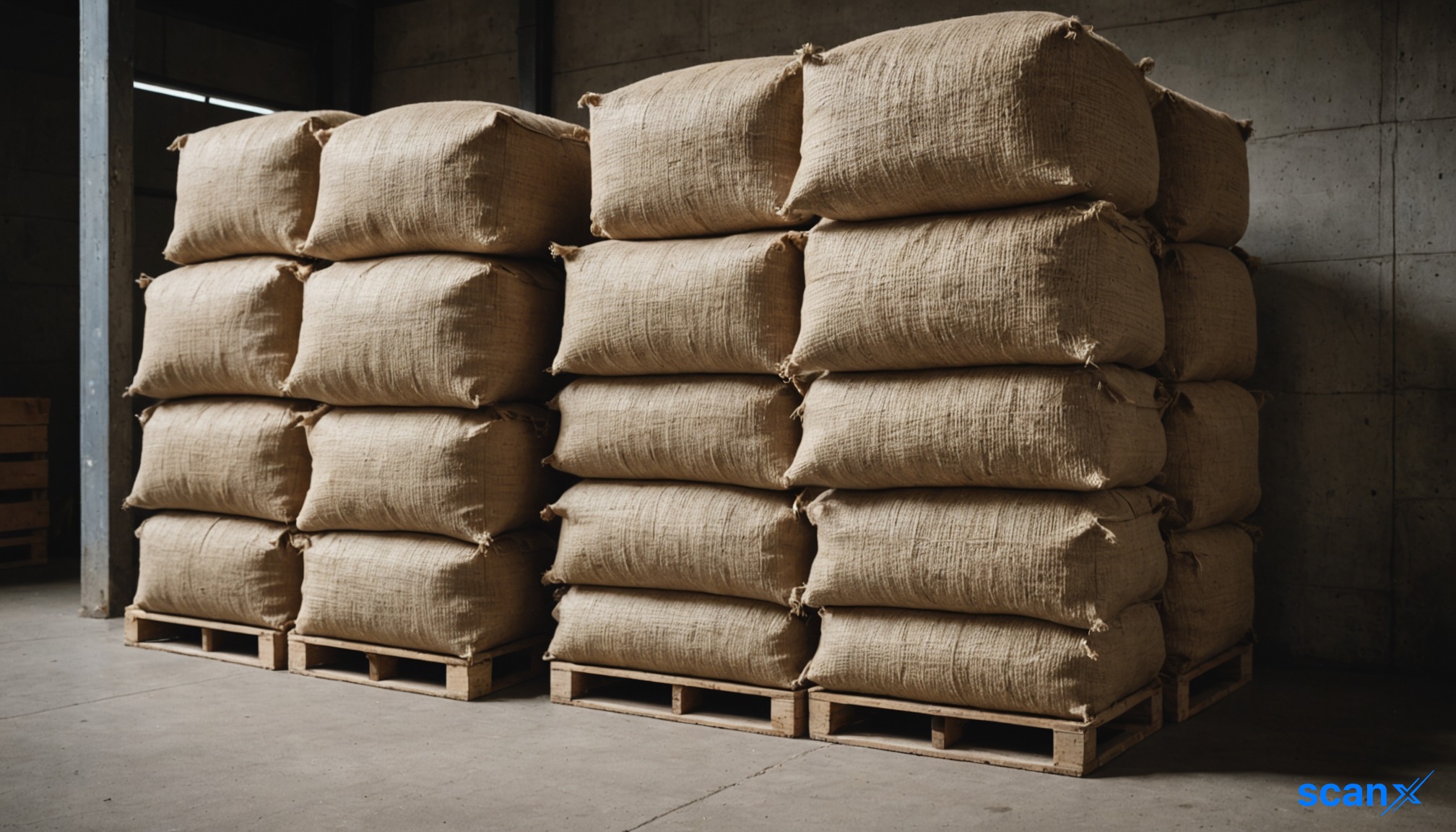

*this image is generated using AI for illustrative purposes only.
Chaman Lal Setia Exports has submitted its Business Responsibility and Sustainability Report (BRSR) for the financial year ended March 31, 2026, detailing its operational performance and ESG compliance under SEBI regulations.
The Amritsar-based rice exporter reported a total turnover of ₹13,999.91 crore for FY26. Profit after tax stood at ₹1,147.79 crore. Exports contributed 91% of the total turnover, underscoring the company’s heavy reliance on international markets across more than 95 countries.
Financial Overview
The company’s net worth was reported at ₹75,799.17 lakh, excluding revaluation reserves. Corporate Social Responsibility (CSR) spending accounted for 3.15% of the profit after tax. The entity operates on a standalone basis with no subsidiaries, holding companies, or joint ventures.
| Metric | FY26 Value |
|---|---|
| Total Turnover | ₹13,999.91 crore |
| Profit After Tax | ₹1,147.79 crore |
| Export Contribution | 91% |
| CSR Spending (% of PAT) | 3.15% |
What the Numbers Show
The data reveals a significant divergence between revenue scale and related-party transaction volume. While total sales reached nearly ₹14,000 crore, sales to related parties amounted to only ₹484.96 crore, representing just 3.46% of total sales. This is a notable reduction from 7.69% in FY25, suggesting a deliberate shift toward independent market channels or a restructuring of internal supply dynamics.
Stakeholder Engagement
The company resolved all 17 shareholder complaints received during the year, with none pending at year-end. One employee grievance was also addressed satisfactorily. The board comprises eight directors, with women holding 37.5% of the seats. Key Management Personnel includes one female member, indicating full gender representation at that level.
Environmental Metrics
Total energy consumption from non-renewable sources was 93,703.65 million joules, while renewable sources contributed 35.09 million joules. Scope 1 emissions totaled 179.86 metric tonnes of CO2 equivalent, and Scope 2 emissions were 2,227.31 metric tonnes. The company generated 198.85 metric tonnes of waste, primarily plastic, all of which was recycled through authorized vendors.
Water withdrawal increased to 16,236.61 kiloliters from ground sources, up from 10,904.5 kiloliters in the previous year. The company asserts it does not operate in ecologically sensitive areas and complies with all applicable environmental laws.
Historical Stock Returns for Chaman Lal Setia Exports
| 1 Day | 5 Days | 1 Month | 6 Months | 1 Year | 5 Years |
|---|---|---|---|---|---|
| -0.69% | -5.76% | -3.20% | +0.74% | +5.84% | 0.0% |

How might increasing global trade barriers or export bans on rice impact Chaman Lal Setia's revenue stability given its 91% reliance on international markets?
What strategic initiatives is the company planning to reduce its significant dependence on non-renewable energy sources, considering renewable sources currently contribute less than 0.04% of total energy consumption?
Will the company consider expanding its operational footprint through subsidiaries or joint ventures to mitigate risks associated with its current standalone structure and heavy geographic concentration in exports?
 19
19








 Create Custom Screeners
  Access 200+ Pre-built Filters
  Use 50+ Readymade Screener





