

Brooks Laboratories approves demerger of manufacturing business


- Board approved demerger of Manufacturing Business into Abridge Speciality Limited
- Demerged unit accounts for 96.66% of FY26 turnover of ₹8,287.26 lakh
- Shareholders receive 1:1 equity shares in the new entity; no cash consideration
- New entity to be renamed Brooks Laboratories Limited; old entity becomes Xuri Lifesciences
- Estimated 16-month timeline for completion and listing

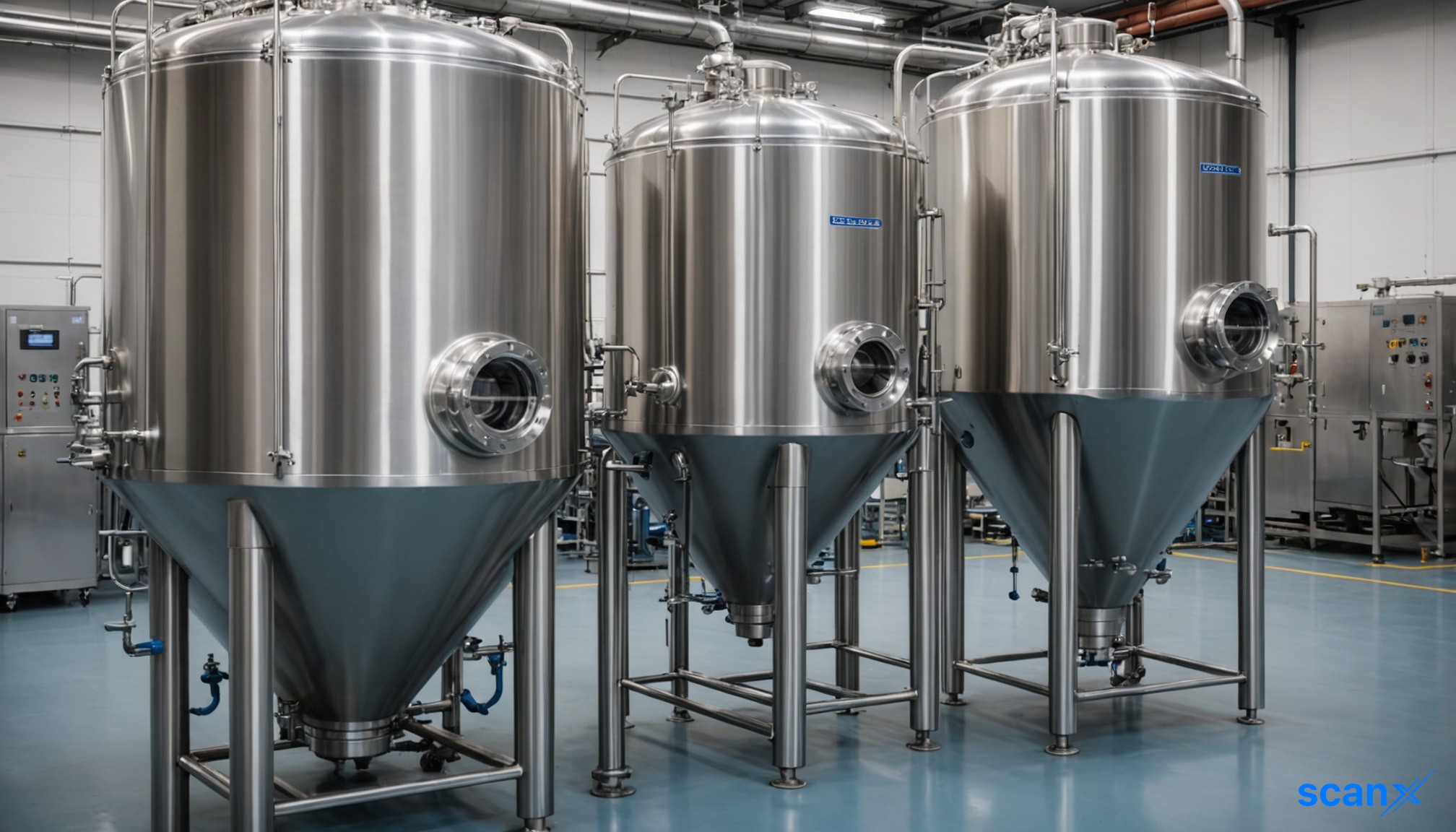

*this image is generated using AI for illustrative purposes only.
Brooks Laboratories Limited board approved the demerger of its Manufacturing Business into Abridge Speciality Limited on October 14, 2026. The demerged unit represents 96.66% of the company's FY26 turnover, signaling a major structural shift.
The scheme, filed under Regulation 30 of SEBI Listing Regulations, involves transferring manufacturing operations at the Baddi facility, including exports, loan-licensing, and contract manufacturing, to the wholly owned subsidiary. The arrangement is subject to approvals from NCLT, SEBI, stock exchanges, and shareholders. Upon effectiveness, Abridge Speciality Limited will be renamed Brooks Laboratories Limited, while the existing listed entity will be renamed Xuri Lifesciences Limited.
Share Entitlement and Structure
The restructuring follows a 1:1 share entitlement ratio. For every one equity share held in the current entity, shareholders will receive one equity share in the resulting company. There is no cash consideration involved. The shareholding pattern of the Resulting Company will mirror that of the Demerged Company, with promoter group holding 52.62% and public shareholders holding 47.38% post-scheme.
| Particulars | Details |
|---|---|
| Demerged Undertaking | Manufacturing Business (Baddi facility) |
| Turnover (FY26) | ₹8,287.26 lakh |
| % of Total Turnover | 96.66% |
| Share Entitlement Ratio | 1:1 |
| Expected Capital (Each Entity) | ~₹50 crore |
Strategic Rationale
The company cited focused management and accountability as primary drivers for the split. By separating the manufacturing operations from trading activities, each platform can pursue independent growth strategies with dedicated management teams. The move aims to align ownership with promoter groups associated with specific businesses, facilitating clearer governance and operational clarity.
The presentation indicates that both entities will have expected capital availability of approximately ₹50 crore for strategic growth and expansion. This capital allocation suggests a balanced approach to funding future initiatives for both the manufacturing and trading arms.
What the Numbers Show
The demerger effectively transfers nearly all revenue-generating operations to the new entity. With the Manufacturing Business accounting for 96.66% of FY26 turnover, the residual trading business retains a minimal share of the top line. This concentration implies that the value creation narrative hinges almost entirely on the performance of the manufacturing unit under the new banner. The retained trading business appears to be a minor component relative to the scale of the manufacturing operations being spun off.
Timeline and Listing
The scheme is projected to take about 16 months from filing to listing. Key stages include board and exchange approvals (months 1–6), NCLT first motion and regulatory NOCs (months 6–10), NCLT sanction (months 10–13), and final allotment and listing (months 13–16). The Resulting Company will seek listing on BSE and NSE upon completion of these steps.
Historical Stock Returns for Brooks Laboratories
| 1 Day | 5 Days | 1 Month | 6 Months | 1 Year | 5 Years |
|---|---|---|---|---|---|
| +6.11% | +15.19% | +4.61% | -4.05% | -46.36% | -48.38% |

How will the concentration of 96.66% of turnover in the demerged manufacturing unit impact the valuation multiples and liquidity of the residual trading entity, Xuri Lifesciences Limited?
What specific growth strategies or capital expenditure plans will Abridge Speciality Limited prioritize with its ~₹50 crore capital allocation to offset the operational risks of the Baddi facility?
How might the separation of promoter groups associated with the manufacturing versus trading businesses influence future corporate governance dynamics and potential related-party transactions?
 19
19









 Access 50+ Readymade Screeners
  Use 200+ Custom Filters
  Get Full Market Insights





