

Bel Fuse delivers 20.8% annualized return over 15 years


Bel Fuse has achieved a 20.8% annualized return over 15 years, beating the market by 7.33%. A $100 investment from that period is now worth $1,863.40, with the company trading at a $4.19 billion market cap.



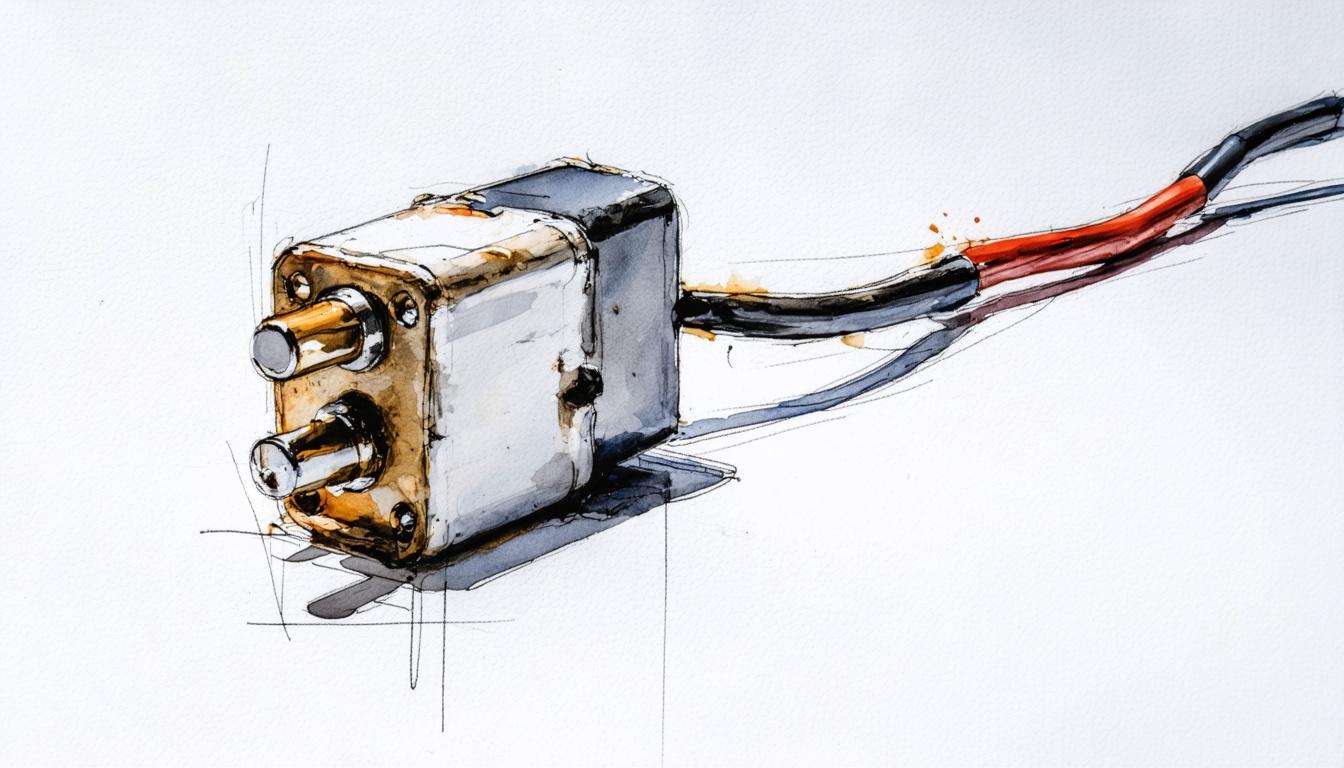
*this image is generated using AI for illustrative purposes only.
Bel Fuse (NASDAQ: BELFB) has significantly outperformed the broader equity market over the last 15 years, delivering an average annual return of 20.8%. This performance represents an annualized outperformance of 7.33% against the market benchmark. The stock’s long-term trajectory highlights the impact of compounded returns on capital growth, with a hypothetical $100 investment made 15 years ago growing to $1,863.40 at the current price of $290.08 per share.
The electrical components manufacturer currently commands a market capitalization of $4.19 billion, reflecting sustained investor confidence over the multi-year period. The data underscores how consistent annual returns can amplify initial capital substantially over long horizons.
Performance Metrics
| Metric | Value |
|---|---|
| Annualized Return | 20.8% |
| Market Outperformance | 7.33% |
| Current Market Cap | $4.19 billion |
| Current Share Price | $290.08 |
| Value of $100 Investment | $1,863.40 |
What the Numbers Show
The divergence between Bel Fuse’s 20.8% annualized return and the implied market return of approximately 13.47% (derived from the 7.33% outperformance figure) illustrates the alpha generated by the stock relative to broad market indices over this specific 15-year window. The growth of a $100 stake to $1,863.40 demonstrates an approximate 18.6x multiple on the initial capital, driven entirely by price appreciation as no dividend reinvestment data was provided in the source.

Can Bel Fuse sustain its historical 20.8% annualized return given its current $4.19 billion market capitalization and the law of large numbers?
How might shifting global supply chain dynamics for electrical components impact Bel Fuse's future margins and growth trajectory?
What specific strategic initiatives or acquisitions is Bel Fuse pursuing to maintain its competitive edge in the electrical components sector?
 15








 Access Market Heat-map & Insights
 Create, Save & Share your Screener
 Use 200+ Screening Filters





