BASF evaluates MDI production complex investment in Dahej, Gujarat

scanx
Reviewed by
Jubin VScanX News Team
Key Highlights
  • BASF evaluates potential MDI production complex investment in India
  • Feasibility study is in advanced stages with land secured in Dahej, Gujarat
  • MDI is a key building block for polyurethane products used in various applications
  • Final decision depends on study outcome and regulatory approvals
powered bylight_fuzz_icon
51523635

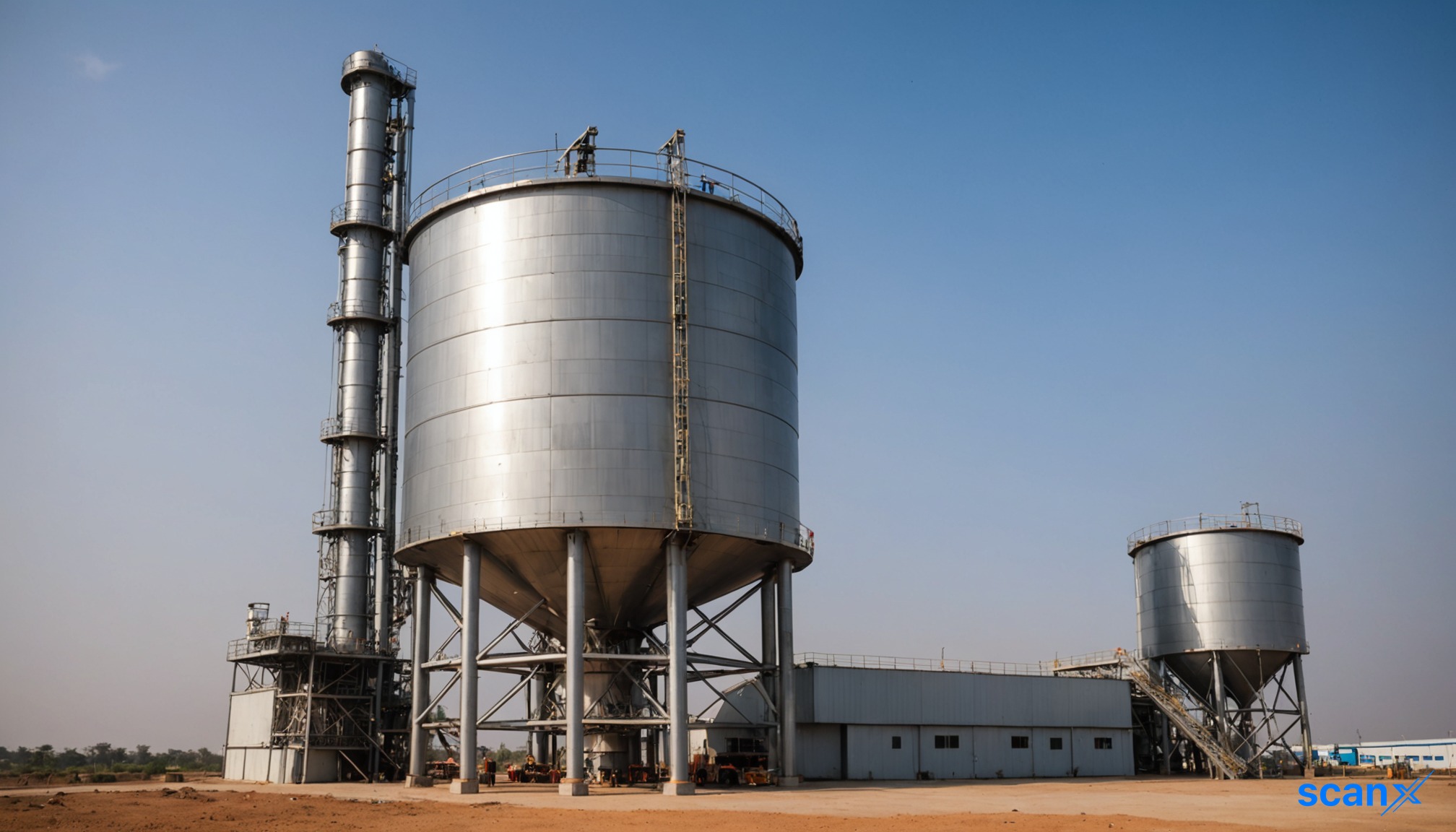
*this image is generated using AI for illustrative purposes only.

BASF India Limited is evaluating a potential investment in India to meet growing customer demand. The company is in the advanced stages of a feasibility study for an MDI production complex.

The group has secured an industrial land parcel in Dahej, Gujarat, through its subsidiary, BASF India Polyurethanes Private Limited. The final investment decision will depend on the feasibility study outcome and necessary approvals.

Project Details

Methylene diphenyl diisocyanate (MDI) serves as a key building block for polyurethane products. Applications include building insulation, refrigeration, automotive components, furniture, and consumer goods.

Alexander Gerding, Managing Director of BASF India Limited, and Manohar Kamath, Director-Legal, confirmed the announcement on September 21, 2026.

What the Numbers Show

The securing of land in Dahej signals a significant step beyond preliminary exploration. By moving to an advanced feasibility stage with a secured site, BASF demonstrates a concrete commitment to localizing production for high-demand polyurethane applications in the region.

Historical Stock Returns for BASF

1 Day5 Days1 Month6 Months1 Year5 Years
+1.17%-0.37%-8.34%+6.54%-21.49%0.0%

How might BASF's localized MDI production in Gujarat impact the pricing dynamics and supply chain resilience for Indian polyurethane manufacturers?

What are the expected timelines for regulatory approvals and project commissioning, and how do they align with India's growing infrastructure and automotive sector demands?

Could this investment signal a broader strategy by European chemical giants to shift manufacturing hubs to India in response to global supply chain diversification trends?

BASF retakes top spot in ICIS ranking as industry profits fall 82%

scanx
Reviewed by
Naman SScanX News Team
Key Highlights
  • BASF retakes top spot in ICIS ranking with $70.0 billion in 2025 sales
  • Industry net profits fell 81.9% while sales dropped just 4.6%
  • China-based firms comprised four of the Top 10 producers
  • Analysts see 2025 as earnings bottom with margin recovery expected in 2026
powered bylight_fuzz_icon
50932672

*this image is generated using AI for illustrative purposes only.

Germany-based BASF has reclaimed the number one position in the ICIS Top 100 Chemical Companies ranking, reporting $70.0 billion in sales for 2025.

The annual ranking highlights a challenging year for the global chemical sector, where top producers faced significant headwinds despite maintaining substantial revenue volumes.

Ranking Highlights

Sinopec of China held the second position with $66.3 billion in sales. US-based ExxonMobil followed at third with $53.4 billion, ahead of PetroChina ($42.1 billion) and Dow ($40.0 billion).

China-based companies dominated the upper echelon of the list, comprising four of the Top 10 firms. This outpaced US-based producers (three), European firms (two), and Middle Eastern entities (one).

Rank Company Country 2025 Sales
1 BASF Germany $70.0 billion
2 Sinopec China $66.3 billion
3 ExxonMobil US $53.4 billion
4 PetroChina China $42.1 billion
5 Dow US $40.0 billion

Currency conversions for the ranking were based on year-end 2025 exchange rates.

What the Numbers Show

The divergence between revenue stability and profit collapse defines the 2025 performance for the sector. While total sales for the Top 100 declined by a modest 4.6%, operating profits plunged 47.3% and net profits cratered 81.9% compared to the previous year.

This sharp compression indicates that pricing power eroded significantly across the board. The data suggests that volume or mix shifts were insufficient to offset margin destruction, pointing to intense competitive pressure rather than a simple demand shortfall.

Market Outlook

Joseph Chang, global editor of ICIS Chemical Business, identified 2025 as likely the cycle bottom for earnings. He projected a meaningful margin recovery in 2026, driven by supply shortages stemming from the Middle East conflict affecting both chemicals and feedstocks.

Chang noted that petrochemical overcapacity, led by Chinese expansions, combined with weak demand in housing, automotive, and durable goods sectors, depressed prices and margins throughout 2025.

Historical Stock Returns for BASF

1 Day5 Days1 Month6 Months1 Year5 Years
+1.17%-0.37%-8.34%+6.54%-21.49%0.0%
Disclaimer: This article is AI-generated using data from ViewTrade. ScanX is not liable for any inaccuracies.

How will the projected supply shortages from the Middle East conflict specifically impact BASF's ability to maintain its revenue lead over Sinopec in 2026?

What strategic adjustments are European chemical firms making to counter the margin erosion caused by Chinese petrochemical overcapacity?

To what extent will the recovery in housing and automotive demand sectors drive the predicted margin rebound for the global chemical industry in 2026?

More News on BASF

1 Year Returns:-21.49%