

BASF India closes Dahej Care Chemicals plants by end-2026


BASF India Ltd has decided to close its sulfation and low-temperature reactor plants at the Dahej site by late 2026 due to overcapacity and cost pressures. The affected units contributed ₹542 crore (4% of total revenue) in FY25. The rest of the Care Chemicals business will continue operations via imports and other manufacturing sources.


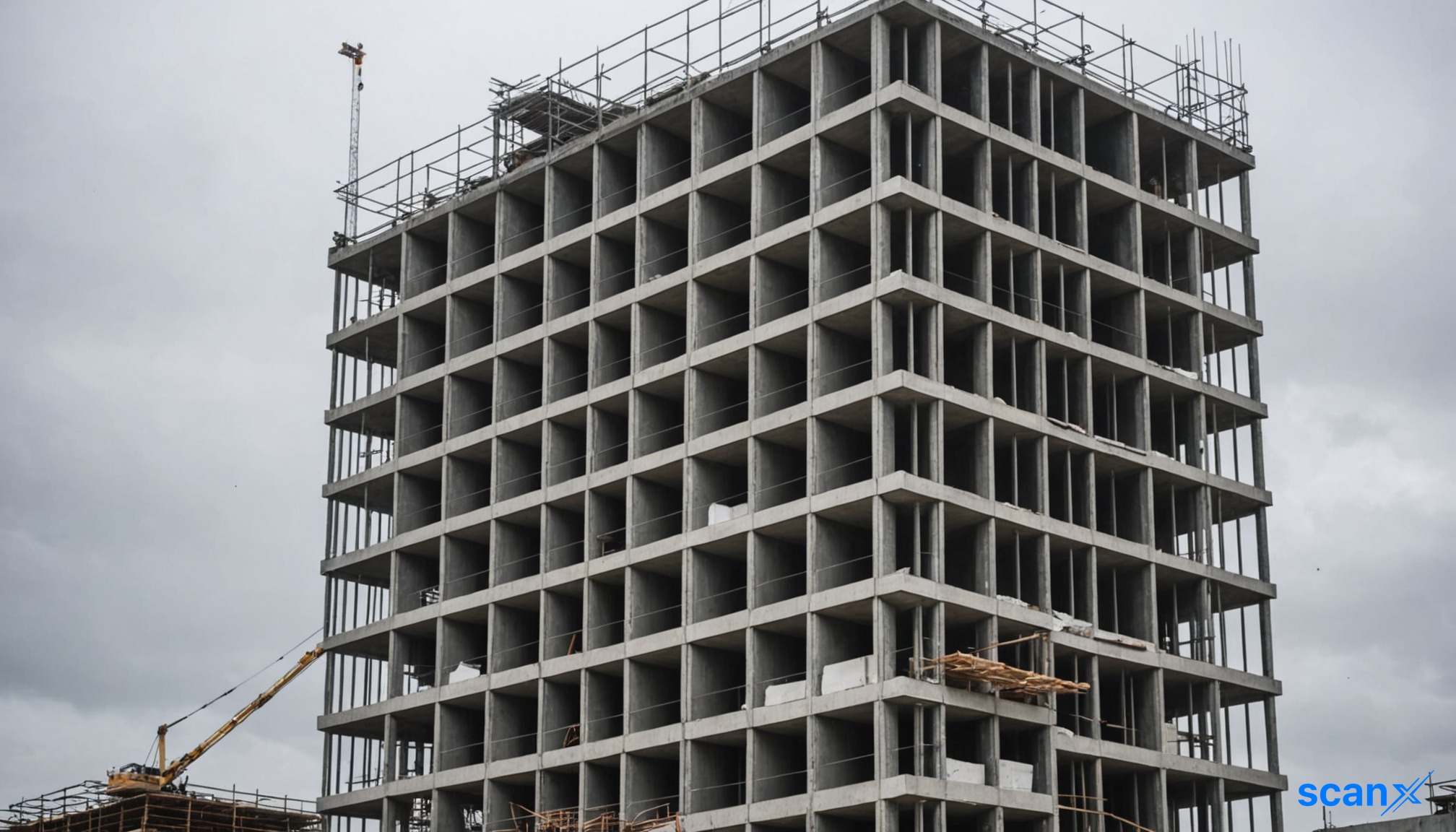
*this image is generated using AI for illustrative purposes only.
The Board of Directors of BASF India Limited has approved the closure of specific manufacturing units within its Care Chemicals business at the Dahej site, a strategic move driven by intense competition and margin erosion. The decision targets the sulfation and low-temperature reactor plants, which are no longer economically viable due to extensive overcapacities in the Indian market and rising operational costs. This restructuring aims to streamline operations in response to a challenging competitive landscape that has pressured profitability across the segment.
The closure is expected to be completed by the end of calendar year 2026, contingent upon receiving all necessary regulatory approvals. While these specific plants will cease operations, BASF India confirmed that the broader Care Chemicals business will continue to serve Indian customers through manufacturing, imports, and sales of other chemical products based on demand. The company emphasized that this targeted shutdown does not disrupt the overall supply chain for its remaining product portfolio.
Financially, the impacted operations represent a modest but notable portion of the company's revenue stream. During FY25, the manufacturing activities at the Dahej site contributed ₹542 crore to the bottom line, accounting for 4% of BASF India’s total revenues. These figures highlight the scale of the assets being retired as part of the company's effort to optimize its cost structure and address sector-wide capacity gluts.
Operational Impact
The restructuring focuses specifically on the Nutrition & Care Segment, where the Dahej facilities were located. By exiting these particular production lines, BASF India seeks to mitigate losses associated with underutilized capacity and high fixed costs. The remaining Care Chemicals products will be sourced through alternative manufacturing channels or imports, ensuring continuity for clients who rely on the company’s diverse chemical offerings.
| Metric | Value |
|---|---|
| Revenue Contribution (FY25) | ₹542 crore |
| Share of Total Revenue | 4% |
| Expected Closure Date | End of 2026 |
Strategic Context
The announcement was made following a Board meeting held on August 4, 2026, which commenced at 12:30 p.m. and concluded at 1:45 p.m. The disclosure was issued under Regulation 30 of the Securities & Exchange Board of India (Listing Obligations and Disclosure Requirements) Regulations, 2015, ensuring transparency with investors regarding material changes in business operations. The move reflects a broader industry trend where chemical manufacturers are consolidating or shutting down older, less efficient plants to survive in a market characterized by excess supply and price wars.
What the Numbers Show
The retirement of ₹542 crore in revenue-generating capacity suggests a deliberate trade-off between top-line size and operational efficiency. With the affected plants contributing only 4% of total revenues, the impact on overall sales volume may be limited, but the improvement in margin profile could be significant if these units were operating below breakeven. This strategic exit allows BASF India to reallocate resources toward higher-margin segments or more competitive production facilities, potentially strengthening its long-term profitability despite the short-term reduction in output.
Historical Stock Returns for BASF
| 1 Day | 5 Days | 1 Month | 6 Months | 1 Year | 5 Years |
|---|---|---|---|---|---|
| -0.70% | -2.16% | -7.22% | -5.14% | -25.12% | -0.69% |

How will BASF India plan to reallocate the capital and resources freed up from the Dahej site closure to higher-margin segments?
What specific regulatory hurdles might delay the planned end-of-2026 closure timeline, and what are the potential financial penalties for such delays?
How might this consolidation move influence competitive dynamics and pricing power within the Indian Care Chemicals sector in the medium term?





 Access Market Heat-map & Insights
  Create, Save & Share your Screener
  Use 200+ Screening Filters





