

Bannari Amman Sugars files FY26 BRSR report with key sustainability metrics


- Total energy consumption fell 17% to 83,63,296 GJ in FY26
- Scope 1 emissions rose to 1,53,992.47 MT CO2e despite lower energy use
- Water withdrawal decreased to 44,61,884.39 KL with reduced groundwater reliance
- Waste recovery operations expanded fivefold to 5,15,634.00 MT


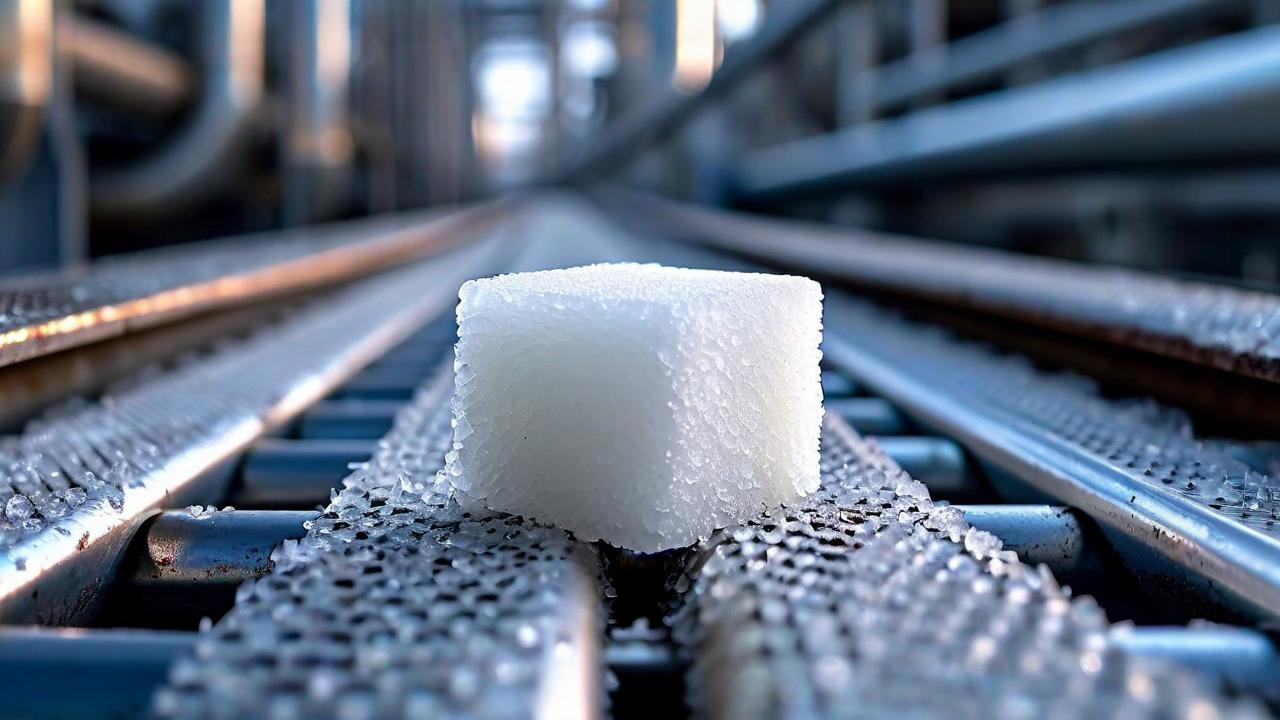
*this image is generated using AI for illustrative purposes only.
Bannari Amman Sugars submitted its Business Responsibility and Sustainability Report (BRSR) for the fiscal year ended March 31, 2026. The filing outlines the company’s environmental performance, social governance practices, and operational sustainability metrics across its integrated sugar, distillery, and power generation businesses.
The report highlights a significant reduction in total energy consumption, which fell to 83,63,296 GJ in FY26 from 1,01,09,347 GJ in FY25. This decline coincided with a decrease in energy intensity per rupee of turnover to 0.000436 GJ/₹ from 0.000564 GJ/₹. The company attributes these improvements to process optimizations, including the replacement of conventional lighting with LED fittings and upgrades to centrifugal machinery.
Environmental Performance
Water management remains a critical focus, with total water withdrawal decreasing to 44,61,884.39 kilolitres in FY26 compared to 48,53,243.37 kilolitres in FY25. Groundwater withdrawal dropped sharply to 25,257.85 kilolitres from 63,000.50 kilolitres the previous year. The company implemented Zero Liquid Discharge (ZLD) systems in its distillery units, treating effluent through biological processes and reverse osmosis for reuse.
Greenhouse gas emissions saw mixed trends. Scope 1 emissions rose to 1,53,992.47 metric tonnes of CO2 equivalent from 1,11,742.61 metric tonnes in FY25. However, Scope 2 emissions declined to 5,784.53 metric tonnes from 8,953.24 metric tonnes. Total waste generated fell significantly to 8,73,433.12 metric tonnes from 11,93,035.41 metric tonnes, driven by lower non-hazardous waste output.
| Metric | FY26 | FY25 |
|---|---|---|
| Total Energy Consumption (GJ) | 83,63,296 | 1,01,09,347 |
| Water Withdrawal (KL) | 44,61,884.39 | 48,53,243.37 |
| Scope 1 Emissions (MT CO2e) | 1,53,992.47 | 1,11,742.61 |
| Total Waste Generated (MT) | 8,73,433.12 | 11,93,035.41 |
Social and Governance Metrics
The company employs 478 permanent employees and 1,800 workers. Training coverage remained robust, with 85.36% of employees and 82.94% of workers receiving health and safety training in FY26. The workforce is predominantly male, with females constituting just 0.21% of permanent employees and 0.39% of workers.
Safety records improved, with zero lost-time injuries reported for both employees and workers in FY26. In contrast, FY25 recorded 21 recordable work-related injuries among workers. Union membership among permanent workers decreased to 43.31% from 50.93% in the prior year.
What the Numbers Show
A notable divergence exists between energy consumption and greenhouse gas emissions. While total energy consumption dropped by approximately 17% year-on-year, Scope 1 emissions increased by nearly 38%. This suggests that the reduction in energy use was primarily achieved through efficiency gains in electricity and non-carbon-intensive fuel sources, while operational intensity or feedstock composition in carbon-heavy processes may have shifted. Additionally, waste recovery operations expanded substantially, with recycled and reused waste jumping to 5,15,634.00 MT from 96,228.00 MT, indicating a stronger push toward circular economy practices despite lower overall waste generation.
Historical Stock Returns for Bannari Amman Sugars
| 1 Day | 5 Days | 1 Month | 6 Months | 1 Year | 5 Years |
|---|---|---|---|---|---|
| +0.01% | -1.27% | -16.03% | -8.18% | -9.61% | +50.24% |

How will the 38% increase in Scope 1 emissions impact Bannari Amman Sugars' carbon pricing liabilities under India's emerging ETS framework?
What specific capital expenditures are planned to address the rising direct emissions while maintaining the recent gains in energy efficiency?
How might the significant reduction in groundwater withdrawal affect the company's relationship with local agricultural communities and regulatory compliance in water-stressed regions?
 15
15







 Create Custom Screeners
  Access 200+ Pre-built Filters
  Use 50+ Readymade Screener





