

Advait Energy subsidiary signs 1 GWh LFP cell supply deal with Hithium


- Subsidiary ABEPL signed MSA with Hithium for up to 1 GWh of LFP cells
- Supply supports new 2.5 GWh annual capacity BESS assembly facility in Gujarat
- Agreement executed on September 18, 2026, for 314 Ah prismatic cells
- Partnerships include Adaptive Engineering for EMS and integration services

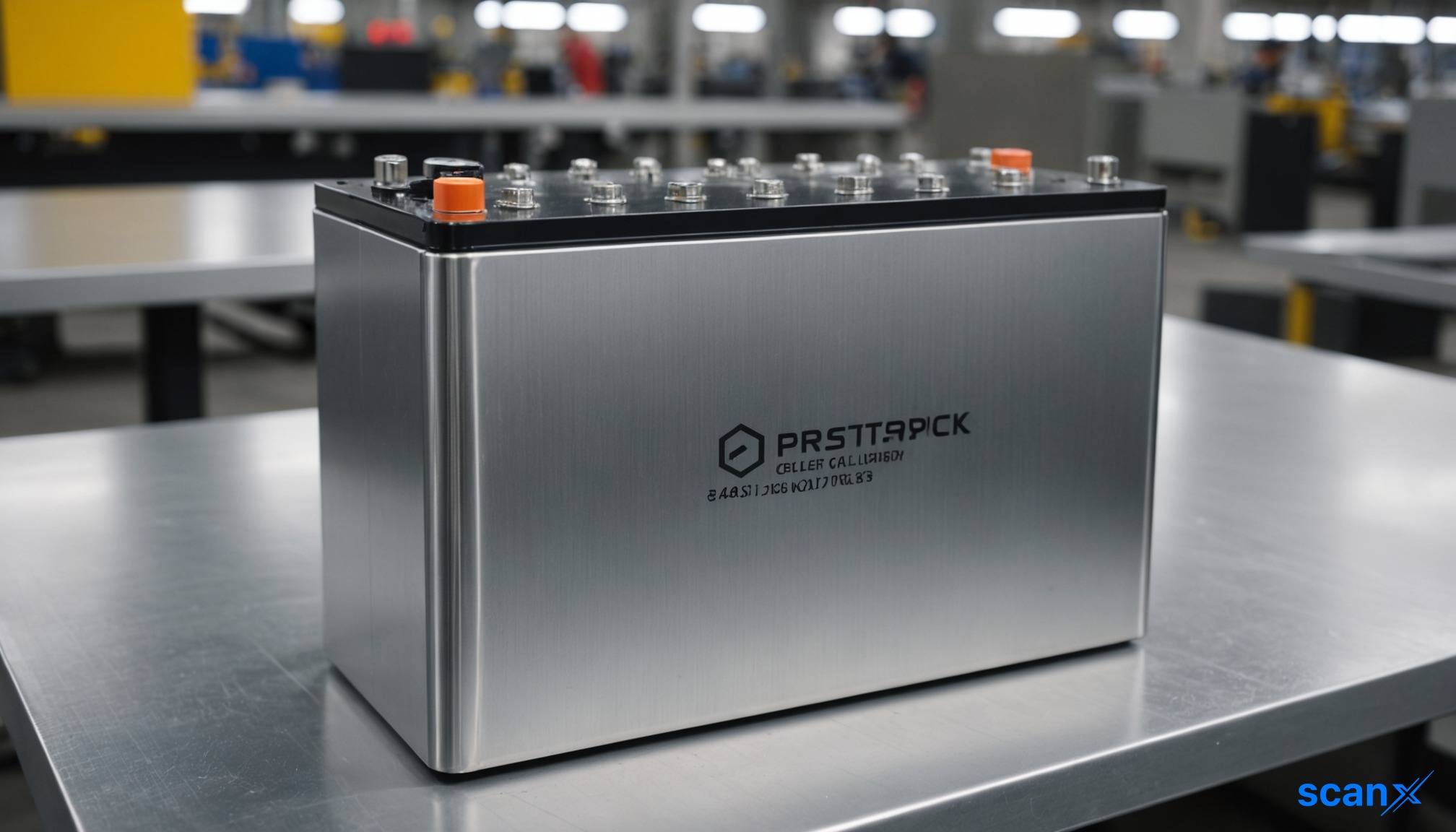

*this image is generated using AI for illustrative purposes only.
Advait Energy Transitions Limited announced that its subsidiary, Advait Battery Ecosystems Private Limited (ABEPL), has entered into a Master Supply Agreement (MSA) with Hithium for the purchase of lithium iron phosphate (LFP) prismatic battery cells. The agreement secures the supply of up to 1 GWh of cells over the next year to support the company's upcoming battery energy storage system assembly operations.
Executed on September 18, 2026, the MSA involves the supply of 314 Ah LFP prismatic cells from Hithium, a global energy storage manufacturer and BloombergNEF Tier 1 supplier. This arrangement is designed to strengthen ABEPL's domestic supply chain capabilities as it scales manufacturing for utility-scale and commercial energy storage applications.
Strategic alignment with capacity expansion
The cell supply framework directly supports ABEPL's planned 2.5 GWh annual-capacity cell-to-container BESS assembly facility. Located in Gangad, Gujarat, this facility is being developed to cater to utility-scale, commercial and industrial energy storage, and renewable energy integration needs. The initial offtake structure aligns with the ramp-up phase of the facility's production capabilities.
Bhushan Shahane, Chief Operating Officer at ABEPL, stated that partnering with Hithium reflects a strategy to integrate world-class cell technology into their domestic ecosystem. He emphasized that a dependable, high-volume supply chain is central to delivering cost-optimized, high-performance energy storage solutions to the Indian market.
Building an integrated manufacturing ecosystem
This agreement complements ABEPL's broader strategy of developing an integrated BESS supply chain through specialized technology partnerships. Previously, ABEPL entered into a strategic collaboration with Adaptive Engineering for engineering design, Energy Management System (EMS) architecture, and system integration. With Hithium now securing the critical cell supply side, the company is advancing its partnership-led model.
Key aspects of the agreement
| Component | Details |
|---|---|
| Supplier | Hithium (BloombergNEF Tier 1) |
| Product | 314 Ah LFP prismatic battery cells |
| Volume Commitment | Up to 1 GWh over the next year |
| Target Facility Capacity | 2.5 GWh annual BESS assembly |
| Execution Date | September 18, 2026 |
What the numbers show
The disclosed figures reveal a phased approach to capacity utilization. While the target facility has an annual capacity of 2.5 GWh, the immediate commitment under the MSA is capped at 1 GWh for the next year. This suggests that the initial phase of the agreement covers approximately 40% of the facility's theoretical annual output, likely reflecting a gradual ramp-up period or specific project-based demand rather than full-scale continuous operation from day one.
Advait Energy Transitions, formerly known as Advait Infratech Limited, continues to expand its portfolio beyond traditional power transmission infrastructure into green hydrogen, electrolyser manufacturing, and clean energy EPC. The Gangad facility is scheduled to begin commercial production soon.
Historical Stock Returns for Advait Energy Transitions
| 1 Day | 5 Days | 1 Month | 6 Months | 1 Year | 5 Years |
|---|---|---|---|---|---|
| -5.18% | -13.66% | -16.70% | -12.63% | +19.91% | +19.91% |

What is the expected timeline for Advait Battery Ecosystems to secure additional cell supply agreements to bridge the gap between the initial 1 GWh commitment and the facility's full 2.5 GWh annual capacity?
How will reliance on imported Hithium cells impact ABEPL's eligibility for Indian government production-linked incentives (PLI) that often mandate domestic value addition thresholds?
What are the projected gross margin implications for ABEPL's BESS assembly operations given current global fluctuations in LFP cell pricing and logistics costs?
 17
17









 Access Market Heat-map & Insights
  Create, Save & Share your Screener
  Use 200+ Screening Filters





