

ADS cuts Scope 1 & 2 emissions 12.5% in FY26 sustainability report


- Scope 1 & 2 GHG emissions fell 12.5% vs FY22 baseline
- Purchased 388 million pounds of recycled material in FY26
- TRIR improved to 1.52 with continued safety initiatives
- Recognized as Most Responsible Company for fourth year

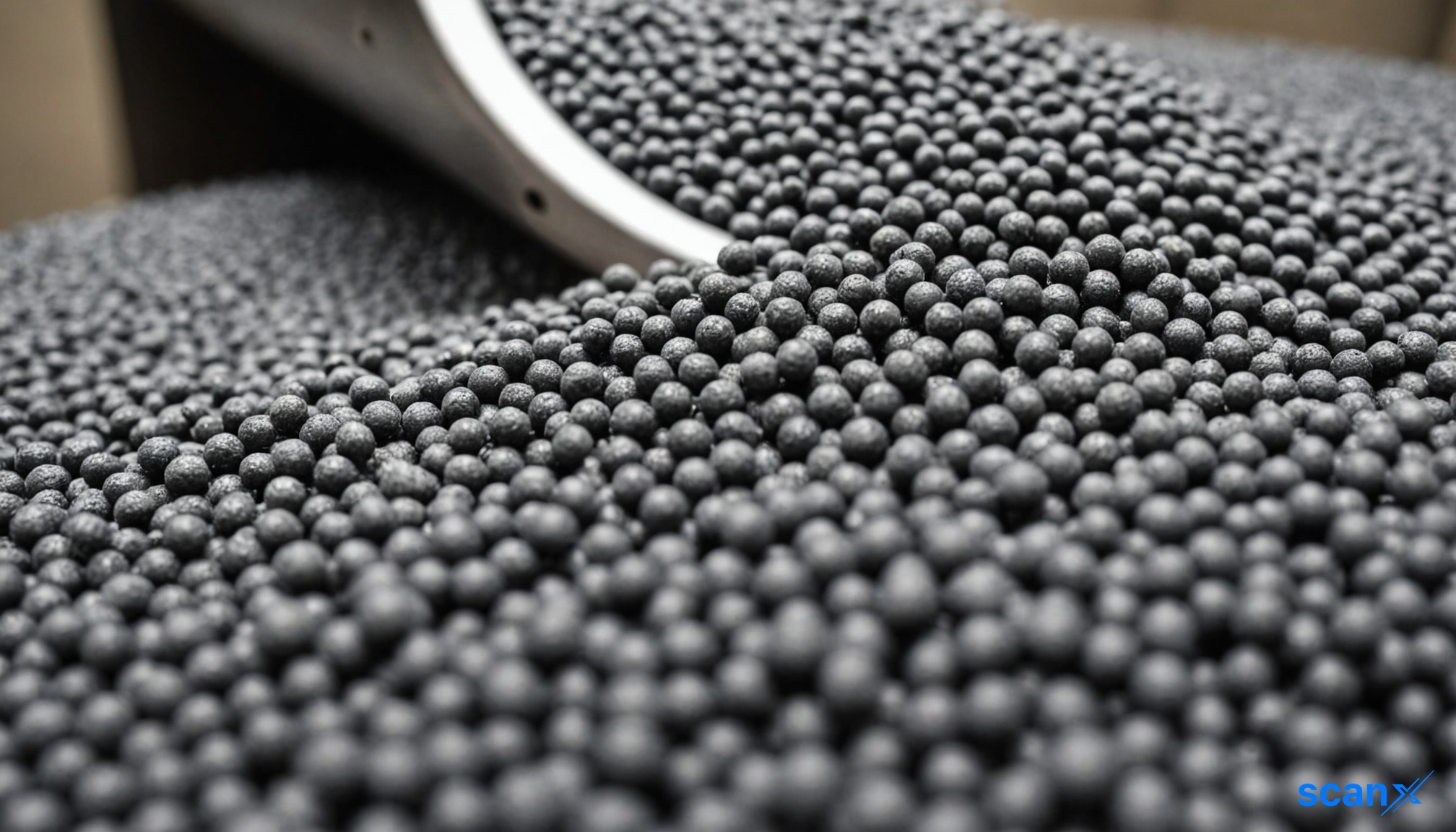

*this image is generated using AI for illustrative purposes only.
Advanced Drainage Systems, Inc. (NYSE: WMS) released its Fiscal 2026 Sustainability Report, marking a 12.5% decrease in Scope 1 and Scope 2 greenhouse gas emissions compared to the Fiscal 2022 baseline.
The infrastructure and water management solutions provider also reported a Total Recordable Incident Rate (TRIR) of 1.52 for the fiscal year, reflecting year-over-year safety improvements.
Operational and Environmental Metrics
Advanced Drainage Systems (ADS) outlined key performance indicators from its latest sustainability filing:
- Decreased Scope 1 & 2 GHG emissions of 12.5% compared to the Fiscal 2022 baseline.
- Purchased 388 million pounds of recycled material, accounting for approximately 30% of recycled pigmented HDPE bottles in the United States.
- Achieved a TRIR of 1.52 in Fiscal 2026.
- Contributed over $0.8 million to charitable organizations, including $0.7 million through the ADS Foundation.
What the Numbers Show
The company’s procurement strategy demonstrates significant scale in circular economy efforts. By purchasing 388 million pounds of recycled material, ADS accounted for roughly one-third of all recycled pigmented HDPE bottles in the US market. This volume suggests a high dependency on consistent post-consumer plastic supply chains to maintain its environmental targets.
Leadership Commentary
Scott Barbour, President and Chief Executive Officer, stated that sustainability remains central to risk management and operational efficiency. "As our products help customers manage the impacts of a changing climate, we are equally focused on strengthening the sustainability of our own operations," Barbour said.
Recognition and Strategy
ADS was recognized by Newsweek as one of America’s 2026 Most Responsible Companies for the fourth consecutive year. The company also appeared on Time Magazine’s 2026 list of Most Impactful Companies.
The firm updated its materiality assessment to better understand stakeholder priorities, informing future strategy planning and risk management.

How might ADS's heavy reliance on recycled pigmented HDPE supply chains expose the company to volatility in post-consumer plastic availability or pricing?
What specific operational investments or technologies will ADS deploy to accelerate its Scope 1 and 2 emissions reductions beyond the current 12.5% decrease?
Could ADS's consistent recognition as a 'Most Responsible Company' translate into tangible financial benefits, such as lower cost of capital or preferential treatment in public infrastructure bids?
 19
19









 Access Market Heat-map & Insights
  Create, Save & Share your Screener
  Use 200+ Screening Filters





