

ADS reports Q4 revenue rise to $677 million


Advanced Drainage Systems reported a 10% increase in Q4 revenue to $677 million, with an adjusted EBITDA margin of 27.8%. The Stormwater segment led growth with a 12% increase, while the Wastewater segment rose 4%. For fiscal year 2027, the company forecasts revenue of $3.35 billion to $3.55 billion and adjusted EBITDA of $1 billion to $1.05 billion.

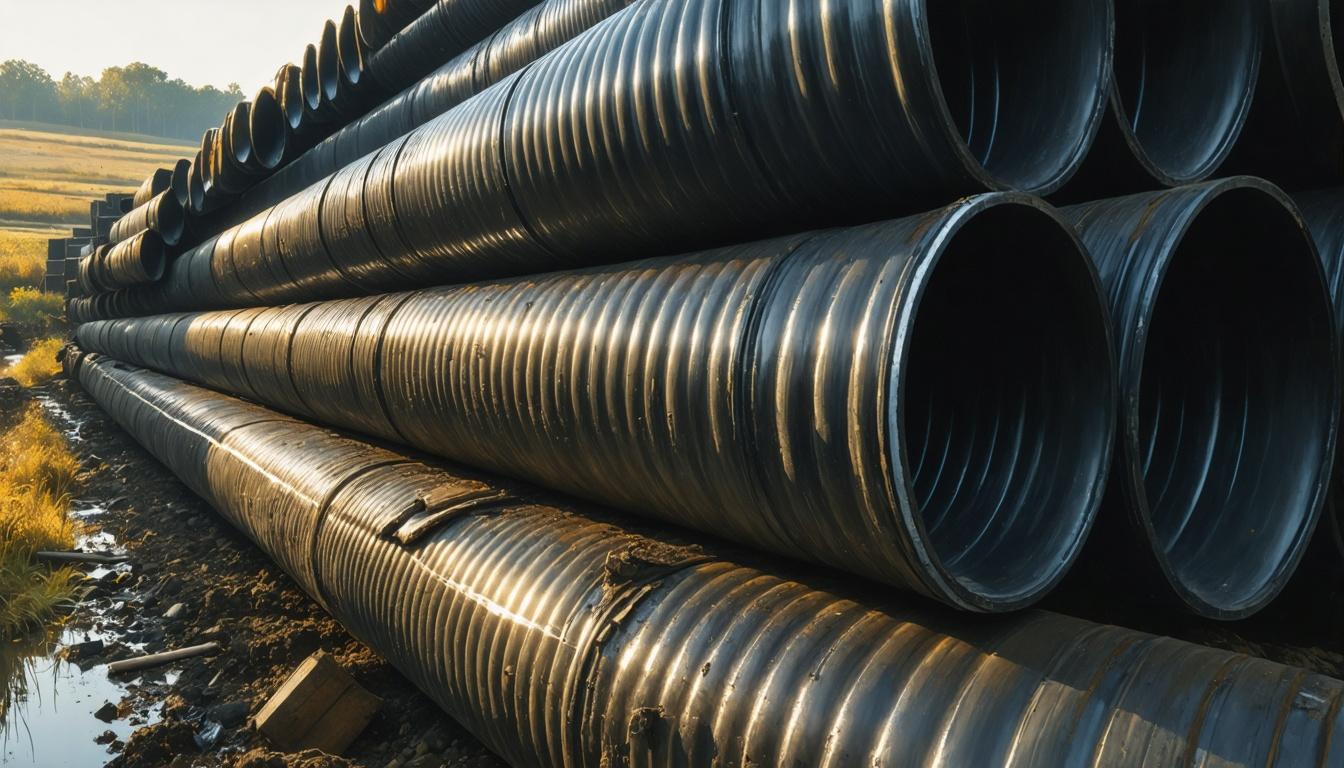

*this image is generated using AI for illustrative purposes only.
Advanced Drainage Systems reported a 10% increase in fourth-quarter revenue to $677 million, achieving an adjusted EBITDA margin of 27.8% for the period ended fiscal year 2026. The company successfully integrated the NDS acquisition, which contributed $49 million to Stormwater revenue, and announced it is ahead of schedule on achieving $25 million in annual cost synergies by year three.
Financial Performance
The company's growth was primarily fueled by its Stormwater segment, where revenue rose by 12%. This increase was bolstered by a 43% surge in Allied product sales and the contribution from the NDS acquisition. Wastewater revenue also grew by 4%, driven by strong activity in the Southeast region. For the full fiscal year 2026, the company generated $569 million in free cash flow, an increase from the prior year, and returned $155 million to shareholders through dividends and repurchases.
Segment Results
| Segment | Revenue Change | Key Drivers |
|---|---|---|
| Stormwater | +12% | 43% increase in Allied products, $49 million from NDS |
| Wastewater | +4% | Strong activity in the Southeast |
Fiscal Year 2027 Outlook
Looking ahead, Advanced Drainage Systems provided guidance for fiscal year 2027, projecting revenue between $3.35 billion and $3.55 billion. The company forecasts adjusted EBITDA to be in the range of $1 billion to $1.05 billion. This guidance includes approximately $300 million of revenue from NDS for the full fiscal year and assumes flat organic volume growth due to inflationary pressures on input materials and transportation costs.
Operational Strategy
Management highlighted the company's ability to mitigate cost pressures through recycling initiatives and internal logistics strategies. The company noted that its private fleet, which covers roughly 70% of legacy business revenue, provides a competitive advantage during periods of high diesel and common carrier rate inflation. Additionally, the company announced an 11% increase in its dividend, demonstrating its commitment to returning capital to shareholders while investing in growth capabilities.

How will the company balance the projected flat organic volume growth against rising input material and transportation costs in fiscal 2027?
What specific strategies will be employed to accelerate the realization of the remaining cost synergies from the NDS acquisition?
Will the dividend increase of 11% be sustainable if inflationary pressures persist longer than anticipated?
 15
15



 Create Custom Screeners
  Access 200+ Pre-built Filters
  Use 50+ Readymade Screener





