

Adani Power signs shareholders agreement for 770 MW Bhutan hydro project


- Adani Power and DGPC signed a shareholders agreement for the 770 MW Chamkharchhu-I Hydropower Project in Bhutan on October 5, 2026
- The joint venture operates on a 49:51 equity split, with DGPC holding majority control and Adani Power holding a minority stake
- Construction is scheduled to begin in H1FY28, with commissioning targeted within six years under a Build, Own, Operate and Transfer model
- The project supports Bhutan’s clean energy goals and enables surplus green power exports to India during summer months

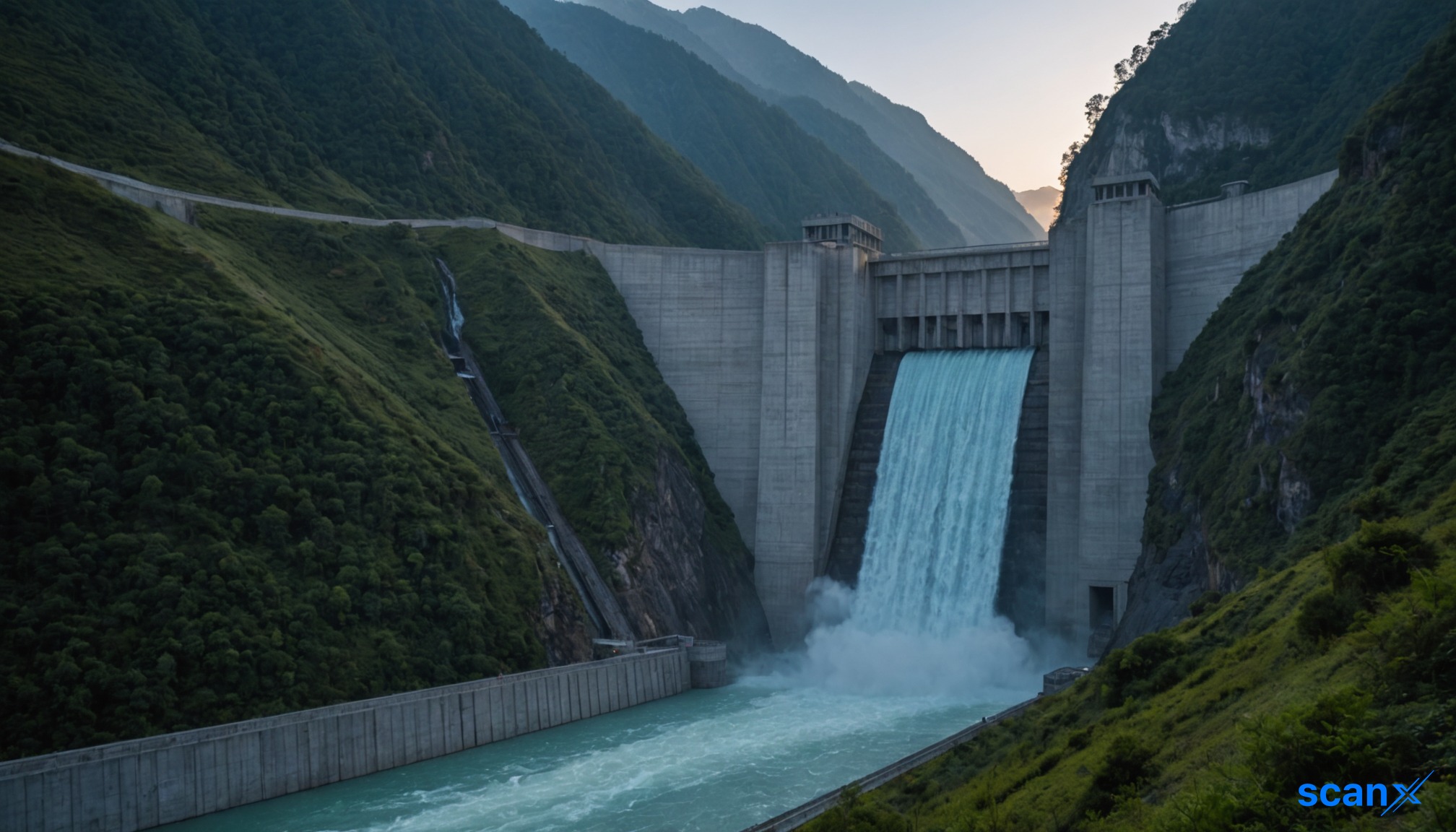

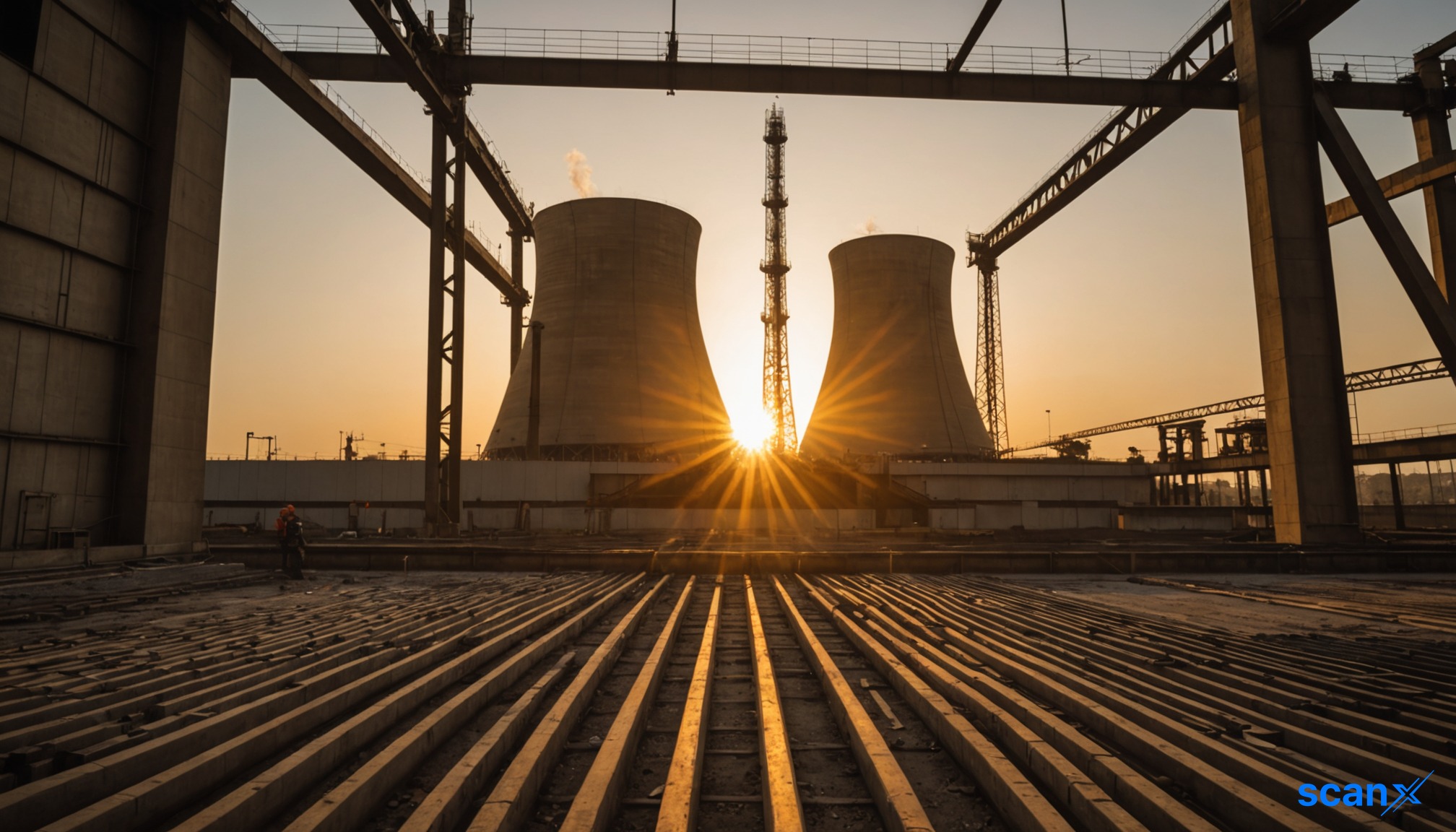
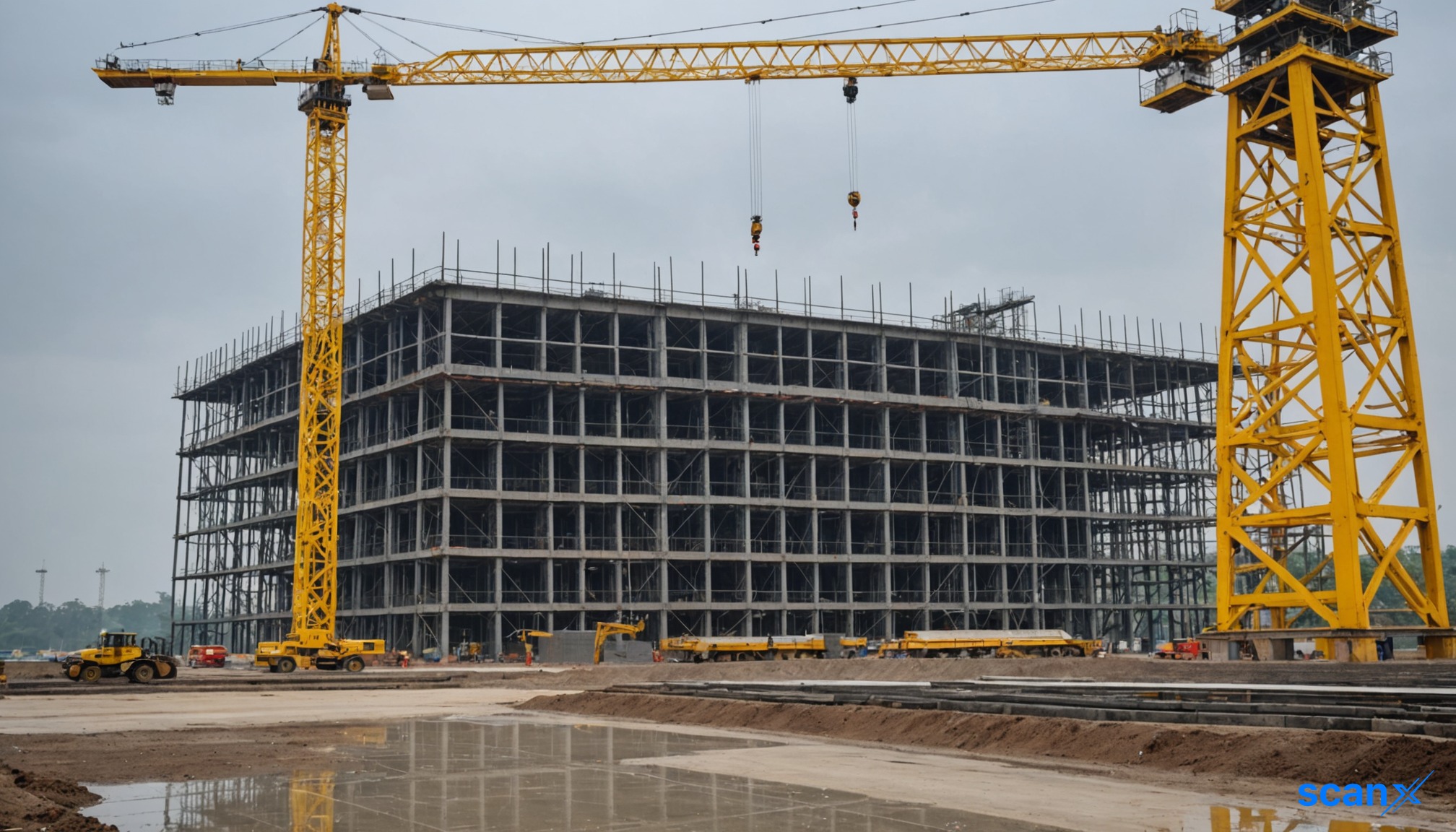
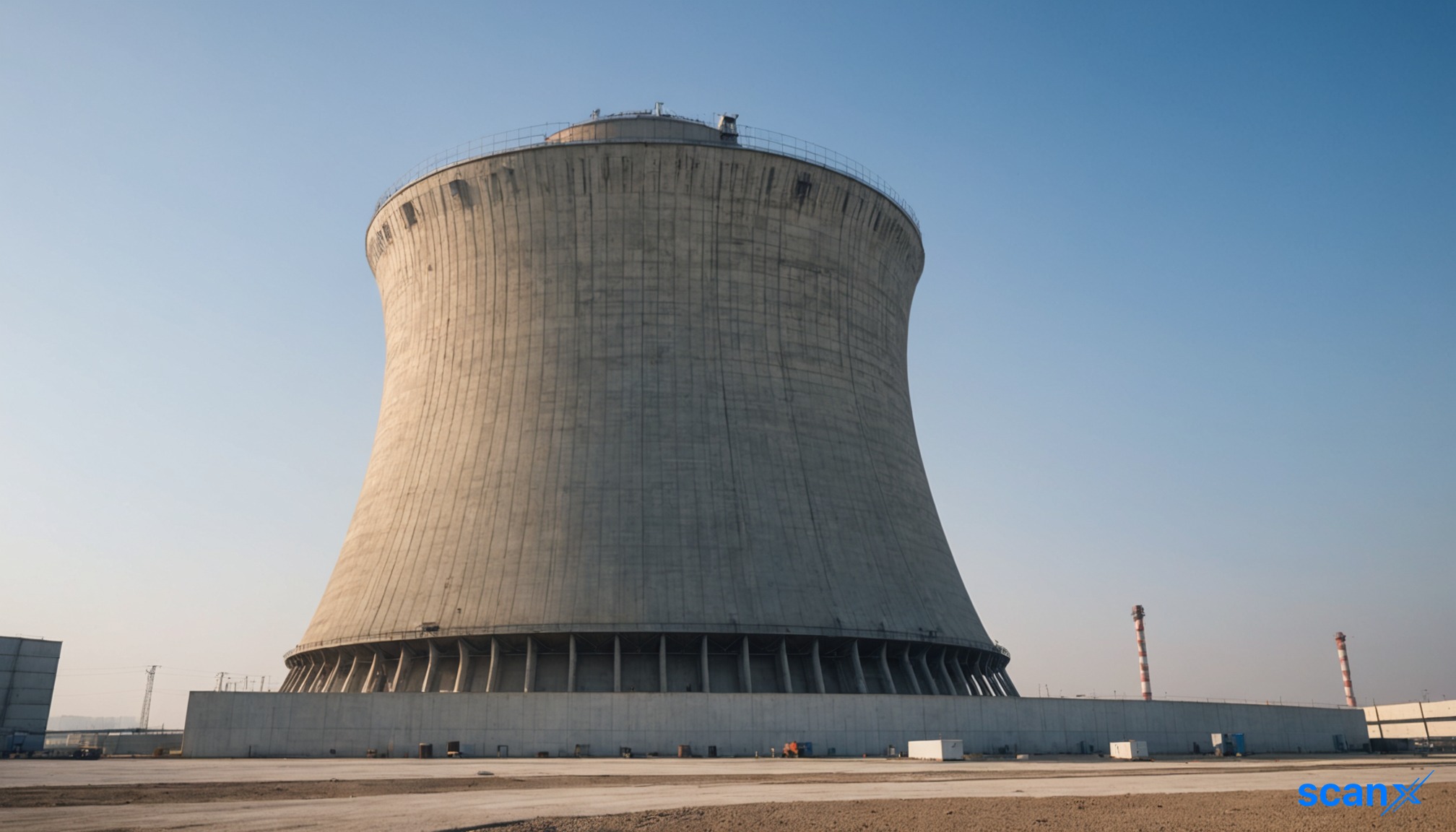
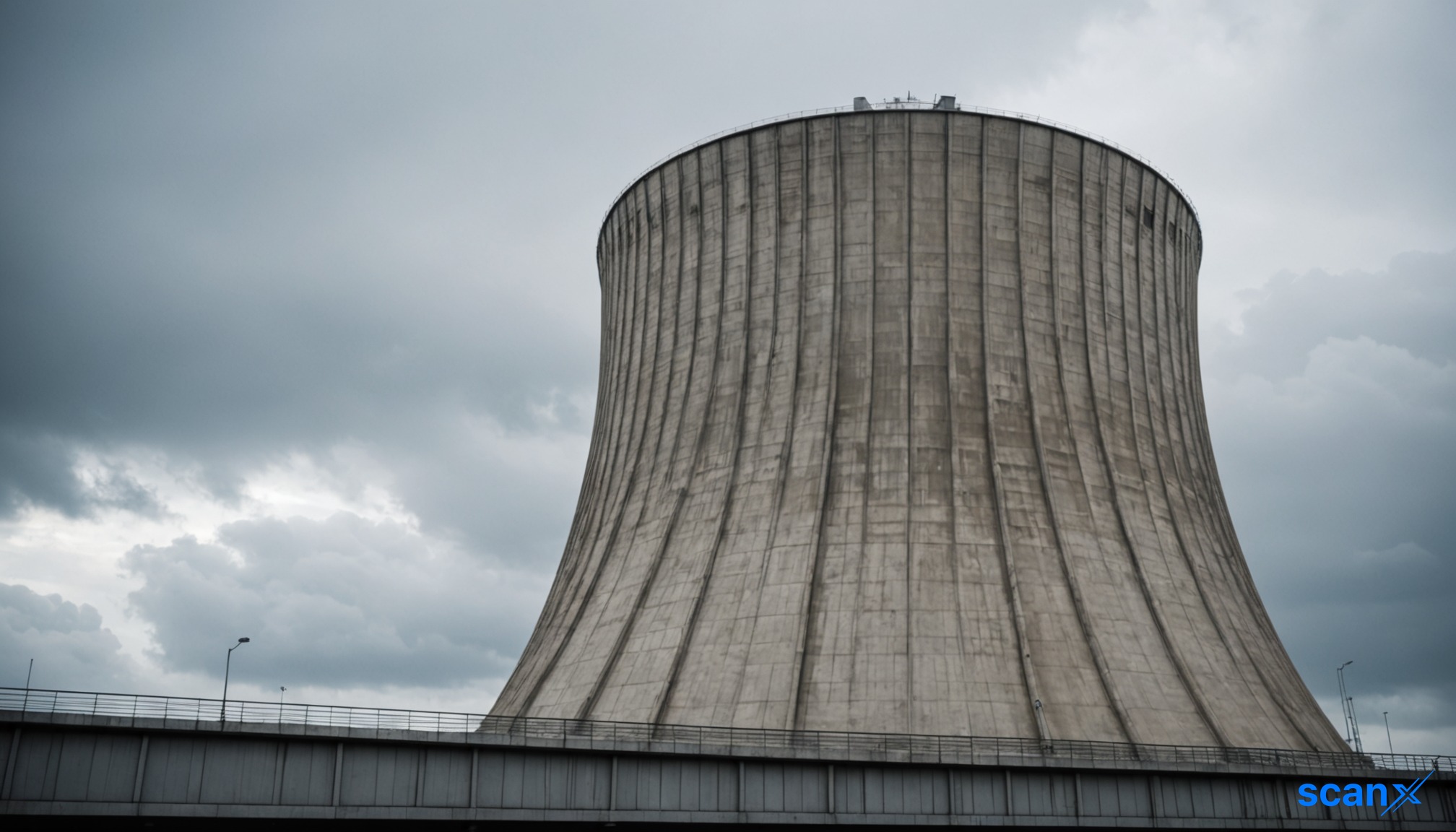
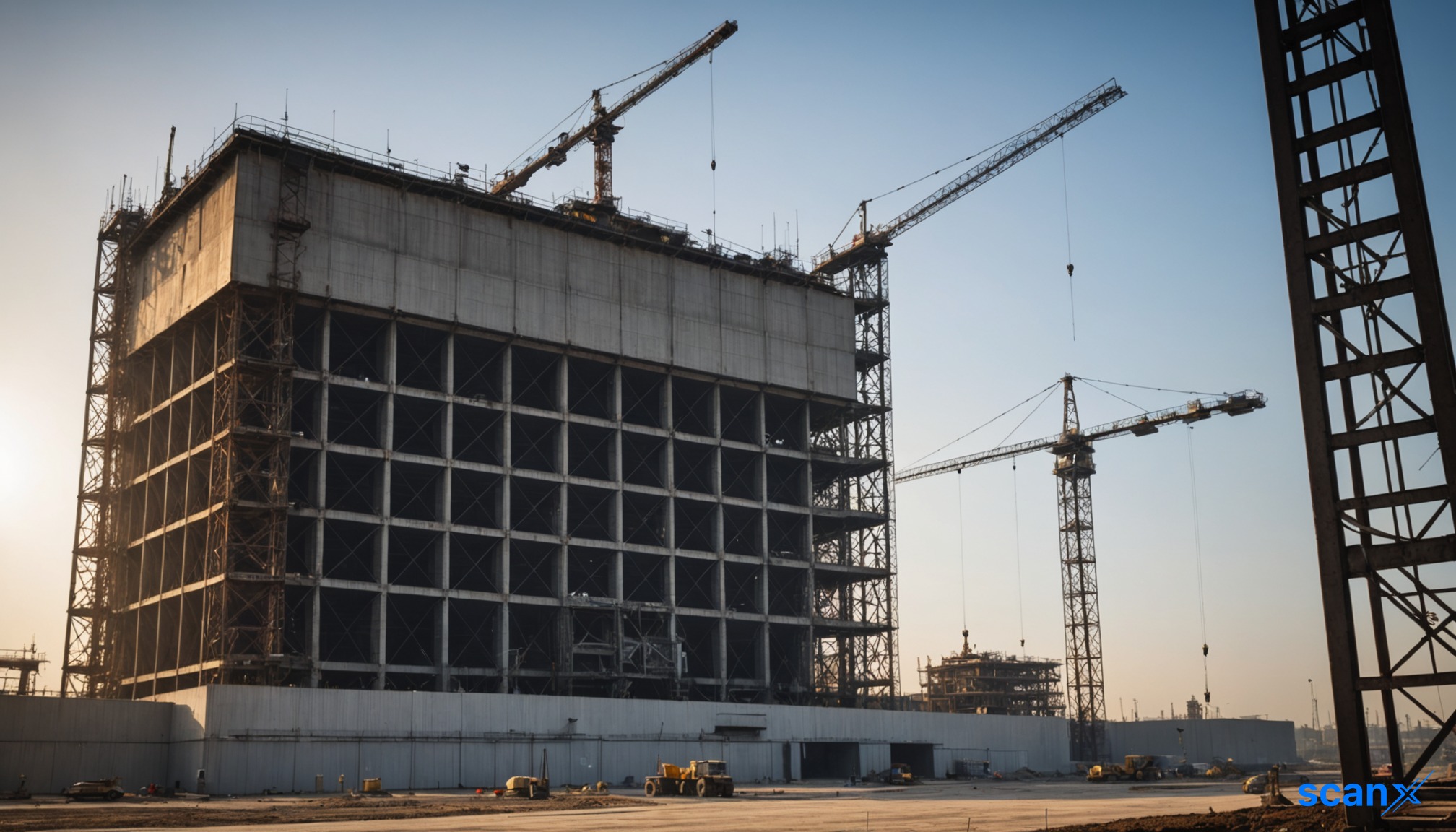
*this image is generated using AI for illustrative purposes only.
Adani Power and Druk Green Power Corporation Ltd (DGPC) have signed a shareholders agreement to develop the 770 MW Chamkharchhu-I Hydropower Project in Thimpu, Bhutan. The deal, executed on October 5, 2026, establishes a joint venture with a 49:51 equity split between Adani Power and DGPC.
The agreement was disclosed under Regulation 30 of the SEBI Listing Obligations and Disclosure Requirements Regulations, 2015. The signing ceremony was attended by Bhutan’s Prime Minister Tshering Tobgay, along with key ministers and representatives from Druk Holding & Investments Limited. This project marks the second major hydropower collaboration between the two entities following the Wangchhu Hydroelectric Project agreement in September 2025.
Project structure and timeline
Adani Power and DGPC will jointly incorporate a public company in Bhutan to undertake the project. The partnership follows a Build, Own, Operate and Transfer model with a concession period of 30 years from commercial operation date. Construction is expected to begin in the first half of 2027, with commissioning targeted within six years of groundbreaking.
The project is part of a broader 5,000 MW hydropower development memorandum of understanding signed between the Adani Group and DGPC in May 2025. It aims to enhance Bhutan’s clean energy generation capacity while enabling the export of surplus green power to India during summer months.
Equity details and governance
The initial capital structure involves specific share issuance at a par value of BTN 100 per share. Both parties will have equal representation on the board of the project company.
| Parameter | Details |
|---|---|
| Total Capacity | 770 MW |
| Equity Split | Adani Power: 49%, DGPC: 51% |
| Initial Shares Issued | Adani Power: 4.9 million, DGPC: 5.1 million |
| Share Value | BTN 100 per share |
| Board Representation | 3 directors each |
| Concession Period | 30 years from COD |
Strategic implications
The Chamkharchhu-I project is located on the Chamkarchhu River in Zhemgang District. It is designed as a peaking run-of-river facility to meet Bhutan’s peak winter electricity requirements. Anil Sardana, Managing Director of Adani Power, stated that the project contributes to South Asia’s energy transition by reducing carbon intensity and advancing sustainability goals.
Dasho Chhewang Rinzin, MD of DGPC, emphasized that the collaboration strengthens Bhutan’s energy security and optimizes surplus clean energy exports to India. Both organizations remain engaged in evaluating additional opportunities under the wider development programme.
What the numbers show
The 49:51 equity structure indicates that while DGPC retains majority control, consistent with state-owned utility norms, Adani Power holds a significant minority stake sufficient to influence governance through equal board representation. The initial equity outlay of BTN 49 crore from Adani Power and BTN 51 crore from DGPC sets the baseline capitalization, though the filing notes that further capital contributions will be made in agreed proportions as the project progresses.
Historical Stock Returns for Adani Power
| 1 Day | 5 Days | 1 Month | 6 Months | 1 Year | 5 Years |
|---|---|---|---|---|---|
| +0.38% | +2.87% | -2.62% | +26.13% | +36.90% | +847.28% |

How will the 30-year concession period and BOOT model impact Adani Power's long-term debt profile and return on equity metrics?
What specific regulatory frameworks or bilateral treaties govern the pricing and transmission of surplus green power exports from Bhutan to India during summer months?
Given the six-year commissioning timeline, what are the primary geopolitical or environmental risks that could delay construction in the Zhemgang District?
 15
15





 Create Custom Screeners
  Access 200+ Pre-built Filters
  Use 50+ Readymade Screener





