

Trump Administration Urges States to Probe Elevated Gasoline Prices


The Trump administration, through the DOJ and FTC, urged state attorneys general on July 3 to investigate potential antitrust or consumer protection violations by oil companies keeping gas prices high despite falling crude oil costs. The national average gasoline price stood at $3.82 per gallon, while Hawaii and California exceeded $5 per gallon. Chevron's CFO noted that pump price reductions typically lag crude oil price changes.


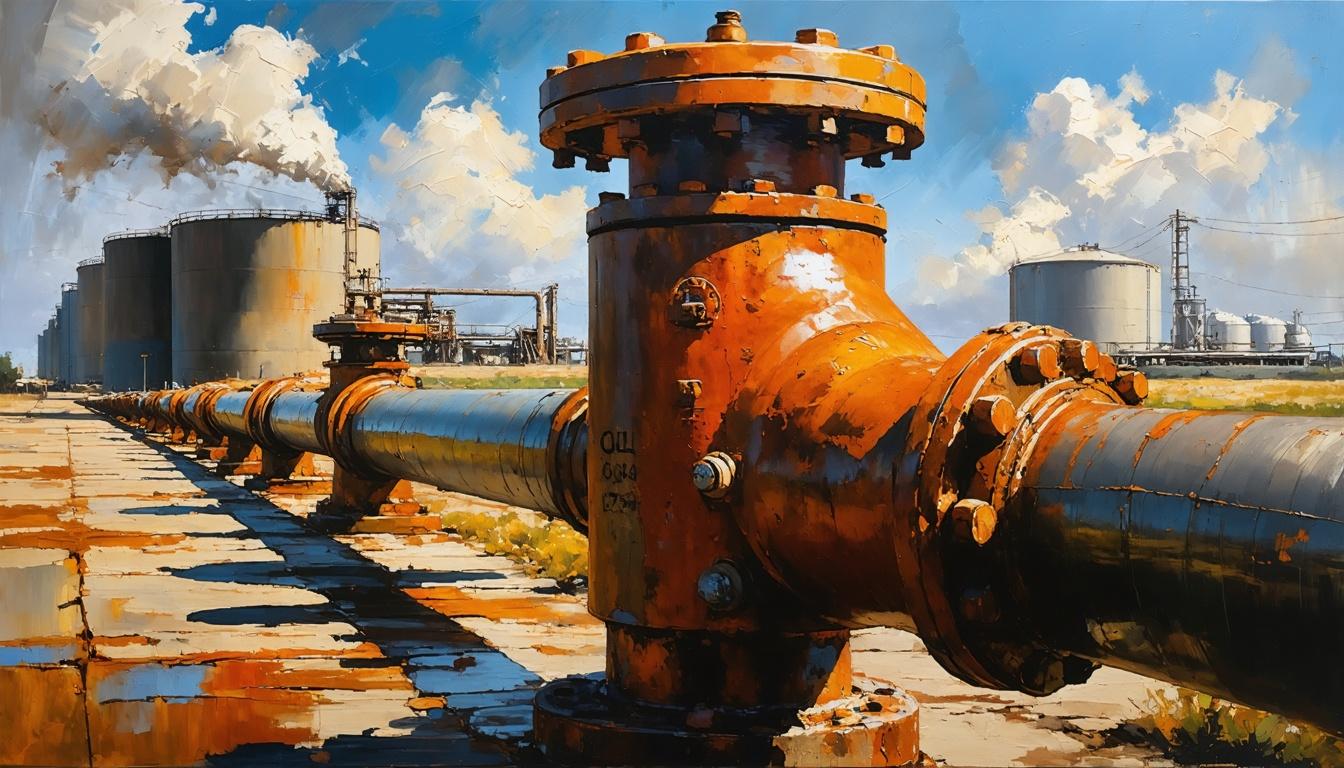
*this image is generated using AI for illustrative purposes only.
The Donald Trump administration intensified scrutiny of the petroleum industry by urging state officials to investigate whether oil companies or fuel retailers are unlawfully keeping gasoline prices elevated despite falling crude oil costs. The Department of Justice and the Federal Trade Commission sent a July 3 letter to state attorneys general encouraging them to use "all tools available" to investigate potential violations of antitrust or consumer protection laws. Associate Attorney General Stanley Woodward Jr. and FTC Chair Andrew Ferguson stated that federal authorities are "closely monitoring petroleum markets" for violations, emphasizing that recent volatility in crude oil prices does not authorize companies to manipulate retail prices or collude with competitors.
Trump Presses Oil Industry As Pump Prices Remain Elevated
President Donald Trump has repeatedly criticized the pace at which gasoline prices have declined, arguing that consumers are not benefiting quickly enough from lower oil prices. Trump wrote on Truth Social, "Gasoline Retailers must get their Prices down, IMMEDIATELY!" He claimed customers were being "gouged" and said he had directed federal prosecutors to investigate potential price manipulation by oil companies. The national average gasoline price stood at $3.82 per gallon as of Friday afternoon, while motorists in several West Coast states and Hawaii were still paying more than $5 per gallon.
Chevron Says Lower Gas Prices Take Time To Reach Consumers
Oil companies have pushed back on the administration's criticism, arguing that gasoline prices typically lag changes in crude oil markets. Chevron Corp.'s Chief Financial Officer Eimear Bonner told CNBC that while the company expects pump prices to ease as markets stabilize, "It's going to take time though. There is a lag between … oil prices and reductions in oil prices and when that shows up at the pump." The administration has not accused any specific company of wrongdoing, but its latest directive signals increased federal and state scrutiny of the industry's pricing practices.
Regional Price Breakdown
Price disparities remain evident across the United States, with some states experiencing significant spikes despite the national average trending downward from recent highs.
| Location: | Average Price | Status |
|---|---|---|
| Hawaii | $5.4990 a gallon | Highest in U.S. |
| California | $5.4550 a gallon | Elevated |
| National Average | $3.82 per gallon | Declining |

How might increased federal scrutiny impact the long-term relationship between the Trump administration and the petroleum industry?
What legal precedents could be set if state attorneys general successfully prosecute cases of price gouging or collusion?
How will oil companies adjust their pricing strategies in response to heightened political and regulatory pressure?
 17
17







 Access Market Heat-map & Insights
  Create, Save & Share your Screener
  Use 200+ Screening Filters





