

Ackman backs Khodorkovsky's fuel crisis warning for Russia


Bill Ackman endorsed Mikhail Khodorkovsky's analysis that Russia's fuel crisis is worsened by government mismanagement and logistics, not just Ukrainian drone attacks. Vladimir Putin acknowledged the shortage and promised increased air defense and fuel imports, while global oil prices rose. Despite domestic issues, Russia continues to export significant crude volumes to China and India.


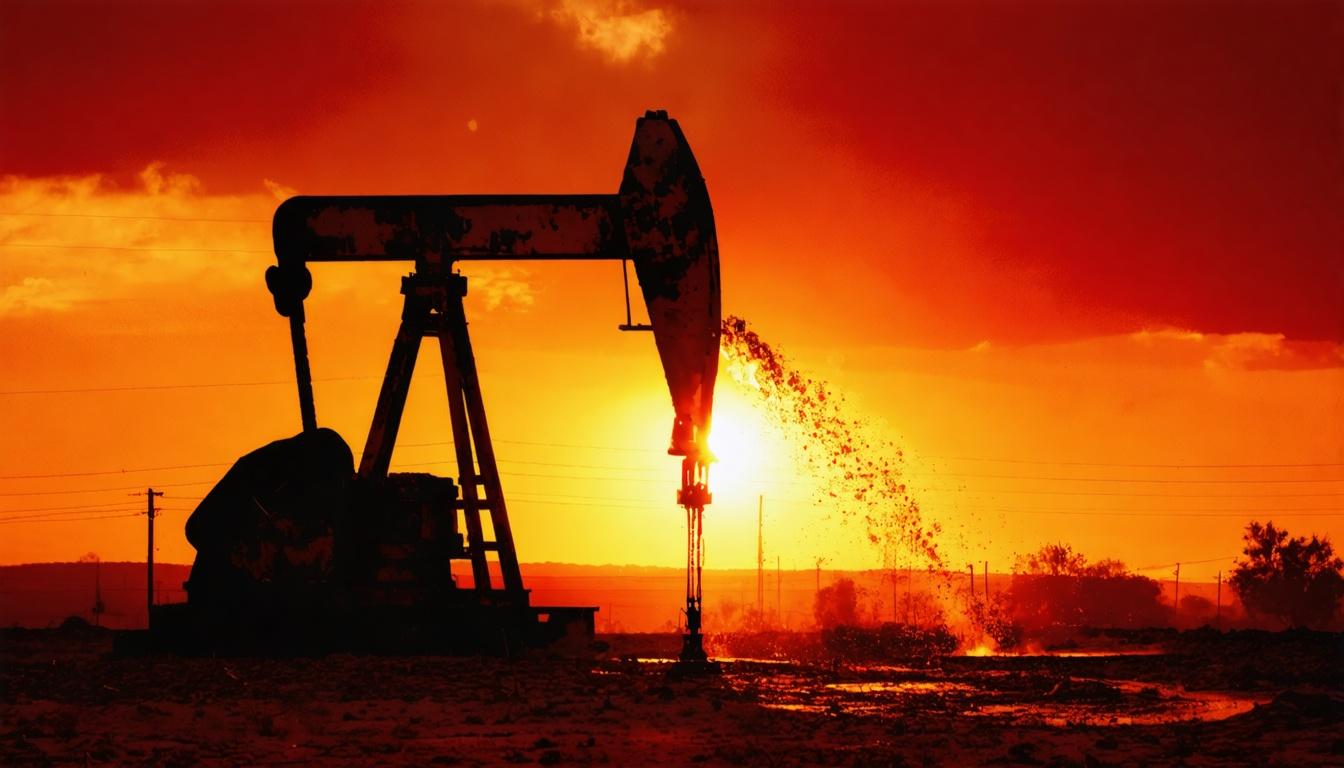
*this image is generated using AI for illustrative purposes only.
Investor Bill Ackman has amplified warnings from exiled Russian oligarch Mikhail Khodorkovsky that Russia is facing a deepening fuel crisis driven by logistical failures and government policy rather than solely by Ukrainian drone strikes. Khodorkovsky, the former head of Yukos, highlighted videos of long queues at gas stations and stated that shortages have spread to regions thousands of kilometers from the front lines. He argued that the Kremlin's decision to lower fuel quality standards instead of implementing market-based pricing has exacerbated the supply crunch, asserting that no Ukrainian drones have done as much damage to the Russian economy as its own government.
Refinery Attacks and Government Response
The comments follow Ukrainian drone strikes that have ignited major Russian oil refineries in the Krasnodar and Yaroslavl regions. While addressing the United Russia party congress, President Vladimir Putin acknowledged that Russia is going through a "difficult period" but assured the government would meet social obligations. To counter the attacks, Putin announced plans to increase air defense system production, import more fuel, and expedite repairs at damaged facilities. Deputy Prime Minister Alexander Novak indicated a review of fuel exports to prioritize domestic supply.
Geopolitical Context and Market Impact
The disruption to refining capacity has pushed global oil prices higher, with Brent crude trading up and WTI futures rising. The escalation occurs as G7 nations, including President Donald Trump, pledged to boost military aid to Ukraine and tighten sanctions on Russia's energy sector. Trump recently held a nearly 90-minute call with Putin to discuss brokering a resolution to the war. Despite the domestic shortages, Russia remains a major crude oil producer, pumping roughly 9 million barrels per day, with China and India replacing much of the European demand lost due to sanctions.
| Metric | Value | Change |
|---|---|---|
| Brent Crude | $72.73 per barrel | +0.85% |
| WTI Futures | $70.03 per barrel | +1.20% |

How will Russia's potential reduction in fuel exports impact global energy prices and supply chains?
Can Russia's domestic fuel crisis force a shift in its geopolitical strategy or negotiation stance in the ongoing conflict?
What are the long-term economic risks for Russia if it continues to prioritize political control over market-based pricing reforms?
 16
16





 Create Custom Screeners
  Access 200+ Pre-built Filters
  Use 50+ Readymade Screener





