

Peter Schiff warns Trump SPR drawdown could drive oil prices higher


- Peter Schiff warns oil prices could surge by 2028 if the Strategic Petroleum Reserve remains empty
- WTI crude trades at $95.66 while Brent exceeds $100.56 amid geopolitical tensions
- National average gas price hits $4.22/gallon with diesel at $5.94/gallon
- US Central Command denies IRGC claims of striking US vessels in the Strait of Hormuz

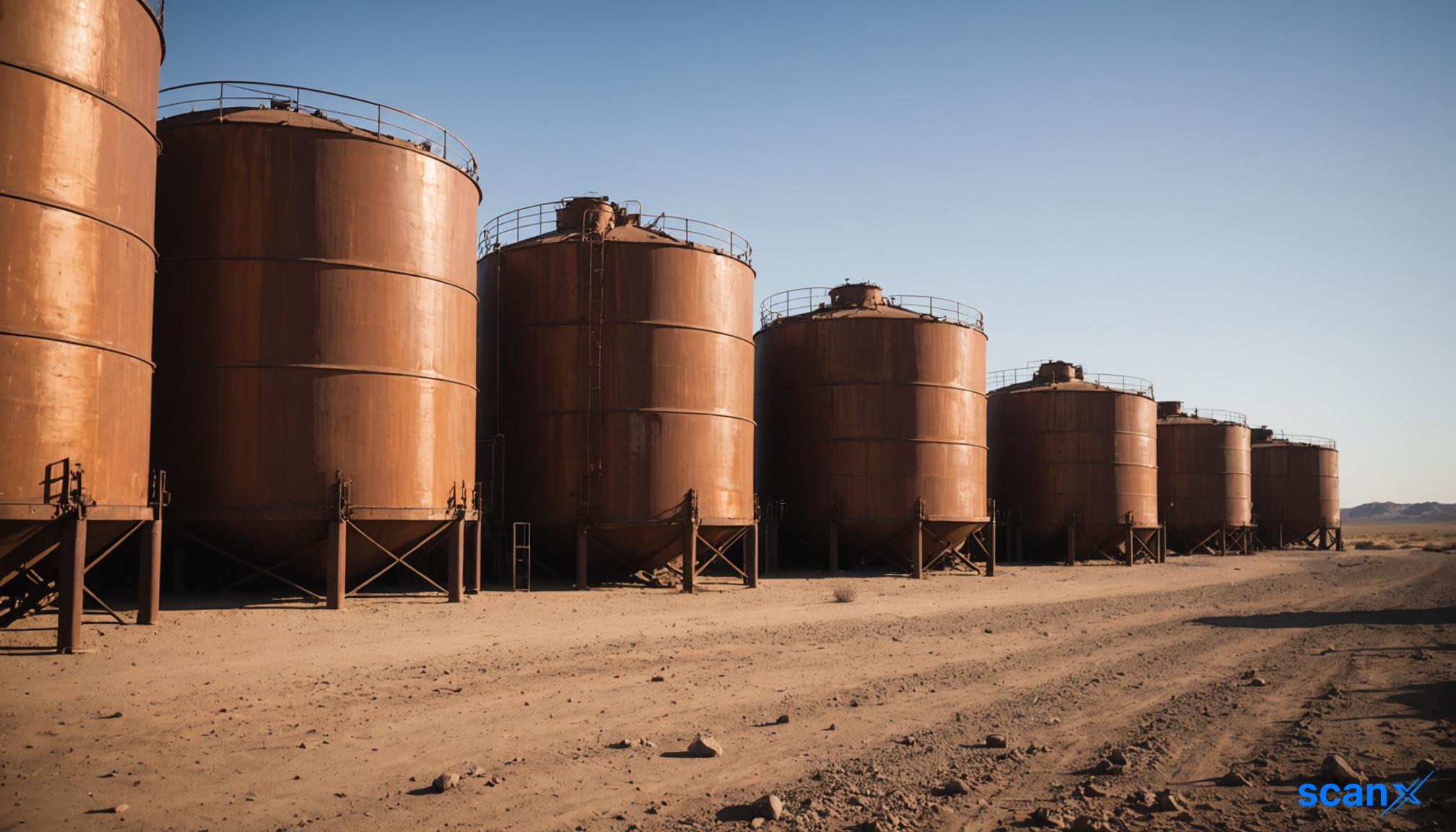

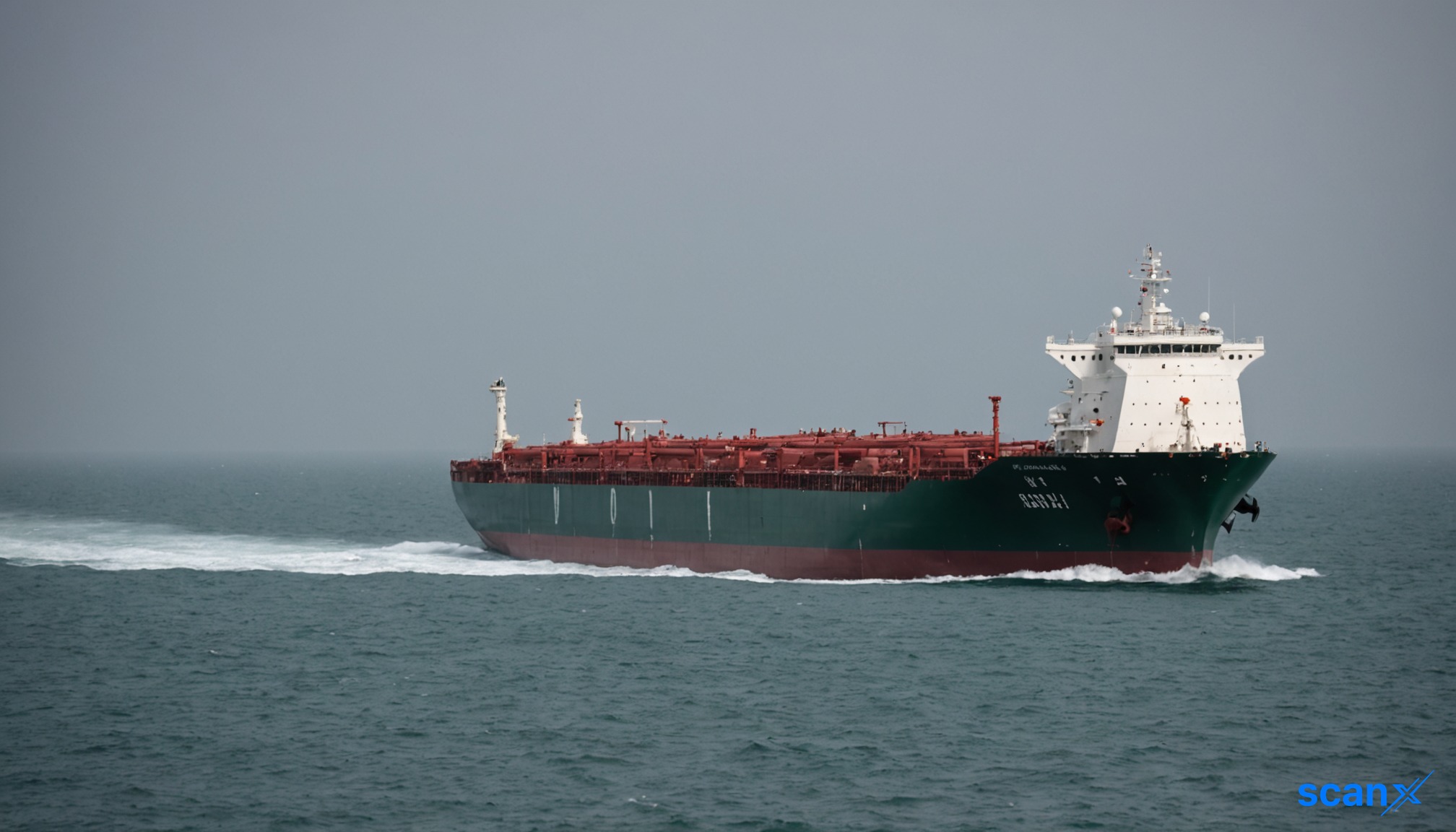
*this image is generated using AI for illustrative purposes only.
Economist Peter Schiff warned that oil prices could rise significantly in the coming years, arguing that the Trump administration's drawdown of the Strategic Petroleum Reserve leaves the US with less protection against future supply shocks.
Schiff posted on X on Wednesday, highlighting that oil is over $95 per barrel despite efforts to suppress prices. He questioned the market condition by the 2028 Presidential Elections, noting the risks if the SPR remains empty for over a year.
Oil and Gas Prices
West Texas Intermediate (WTI) futures ending in October traded at $95.66, while Brent crude futures ending in November exceeded $100 to reach $100.56 at press time. The United States Oil Fund (NYSE: USO) fell 1.16% to $148.23 during overnight trading on Wednesday.
| Metric | Price | Change |
|---|---|---|
| WTI Futures (Oct) | $95.66 | - |
| Brent Futures (Nov) | $100.56 | - |
| USO ETF | $148.23 | -1.16% |
Data from the American Automobile Association showed the national average price of gas was $4.2245/gallon on Wednesday. Diesel averaged $5.9424/gallon, while premium gas stood at $5.1200/gallon.
Iran Tensions
Amid escalating tensions, the Islamic Revolutionary Guard Corps claimed it struck two US vessels and multiple tankers after the US Central Command said it had struck Iranian government oil tankers. CENTCOM denied the IRGC's claim, stating none of its vessels were hit.
The administration reportedly adopted a "tanker for tanker" policy to deter Iranian strikes in the Strait of Hormuz. Schiff also criticized Trump's comments about the war in Iran ending immediately after the midterms, calling it a lie.

How might the depletion of the Strategic Petroleum Reserve impact US inflation rates and consumer spending power leading up to the 2028 election?
What are the potential long-term consequences for global energy security if the 'tanker for tanker' policy escalates into a broader conflict in the Strait of Hormuz?
Could sustained oil prices above $100 per barrel accelerate the transition to renewable energy sources or electric vehicles among US consumers?
 16
16




 Access Market Heat-map & Insights
  Create, Save & Share your Screener
  Use 200+ Screening Filters





