

Oil rises to $97 as US strikes three IRGC tankers and Iran restricts shipping


- Brent crude trades near $97 and WTI around $92 following US strikes on three IRGC tankers
- Iran moves to restrict shipping outside the Strait of Hormuz, raising fears of prolonged supply disruptions
- Hormuz flows remain below normal; further escalation could push Brent toward $100 and add to inflation pressures
- US Central Command disabled two IRGC tankers and destroyed a third, targeting a multibillion-dollar shadow network

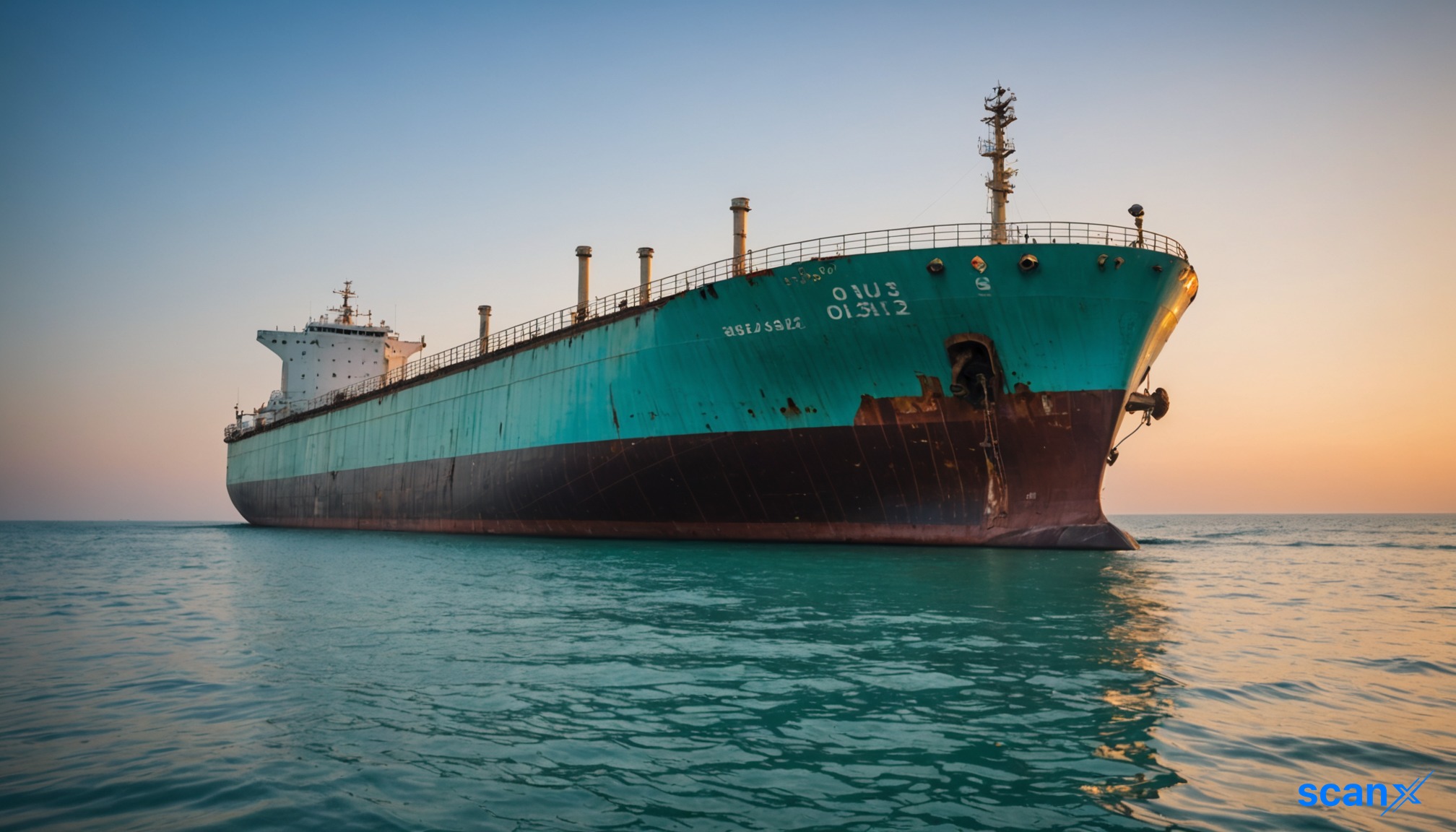

*this image is generated using AI for illustrative purposes only.
Global oil prices rose sharply after the US struck three Islamic Revolutionary Guard Corps crude oil tankers and Iran moved to restrict shipping outside the Strait of Hormuz. Brent crude traded near $97 and WTI around $92 amid fears of prolonged supply disruptions.
Market reaction and supply concerns
The escalation in tensions has pushed benchmark prices higher. Brent crude trades near $97, while West Texas Intermediate (WTI) is around $92. Current flows through the Strait of Hormuz remain below normal levels. Analysts note that further escalation could push Brent toward $100, adding to global inflation pressures.
Operations against IRGC tankers
U.S. Central Command permanently disabled two Islamic Revolutionary Guard Corps crude oil carriers and completely destroyed a third. The military action targeted what it described as a multibillion-dollar shadow network funding the IRGC and its regional proxies.
The following table summarises the operations carried out against each tanker:
| Vessel | Action taken | Location |
|---|---|---|
| M/T Downy | Permanently disabled | Off Kharg Island |
| M/T Stark 1 | Permanently disabled | Near Jask |
| M/T Kylo (also known as 'Noxen') | Completely destroyed | Gulf of Oman |
Details of the strike on M/T Kylo
The M/T Kylo, also known as the Noxen, was an unladen crude oil carrier struck in multiple critical locations. Before the vessel was destroyed, the crew was directed to abandon ship. U.S. Central Command described the operation as targeting a key component of the IRGC's logistics infrastructure.
Shadow network funding the IRGC
U.S. Central Command characterised the three tankers as part of a multibillion-dollar shadow network that funds the IRGC and its regional proxies. The military framed the strikes as an effort to disrupt this financing structure by neutralising vessels integral to the network's crude oil transport operations.

How might central banks adjust interest rate policies in response to the anticipated surge in global inflation driven by oil prices nearing $100?
What specific contingency plans are major Asian economies implementing to secure alternative energy supply routes if Strait of Hormuz disruptions become prolonged?
Could the destruction of the IRGC's shadow fleet accelerate the adoption of alternative energy sources or reduce reliance on Middle Eastern crude in the long term?
 17
17




 Access 50+ Readymade Screeners
  Use 200+ Custom Filters
  Get Full Market Insights





