

US gas prices hit record $4.14 as Iran tensions drive costs higher


- US gas prices hit a record $4.14/gallon heading into Labor Day, surpassing the 2012 high of $3.82/gallon
- Rep. Ro Khanna and Sen. Bernie Sanders criticized President Trump, linking the surge to the Iran war
- Oil prices trade near $100/barrel, with WTI at $92.95 and Brent at $97.58
- Analysts note supply-side pressures from Iran are overriding domestic regulatory shifts to winter blends


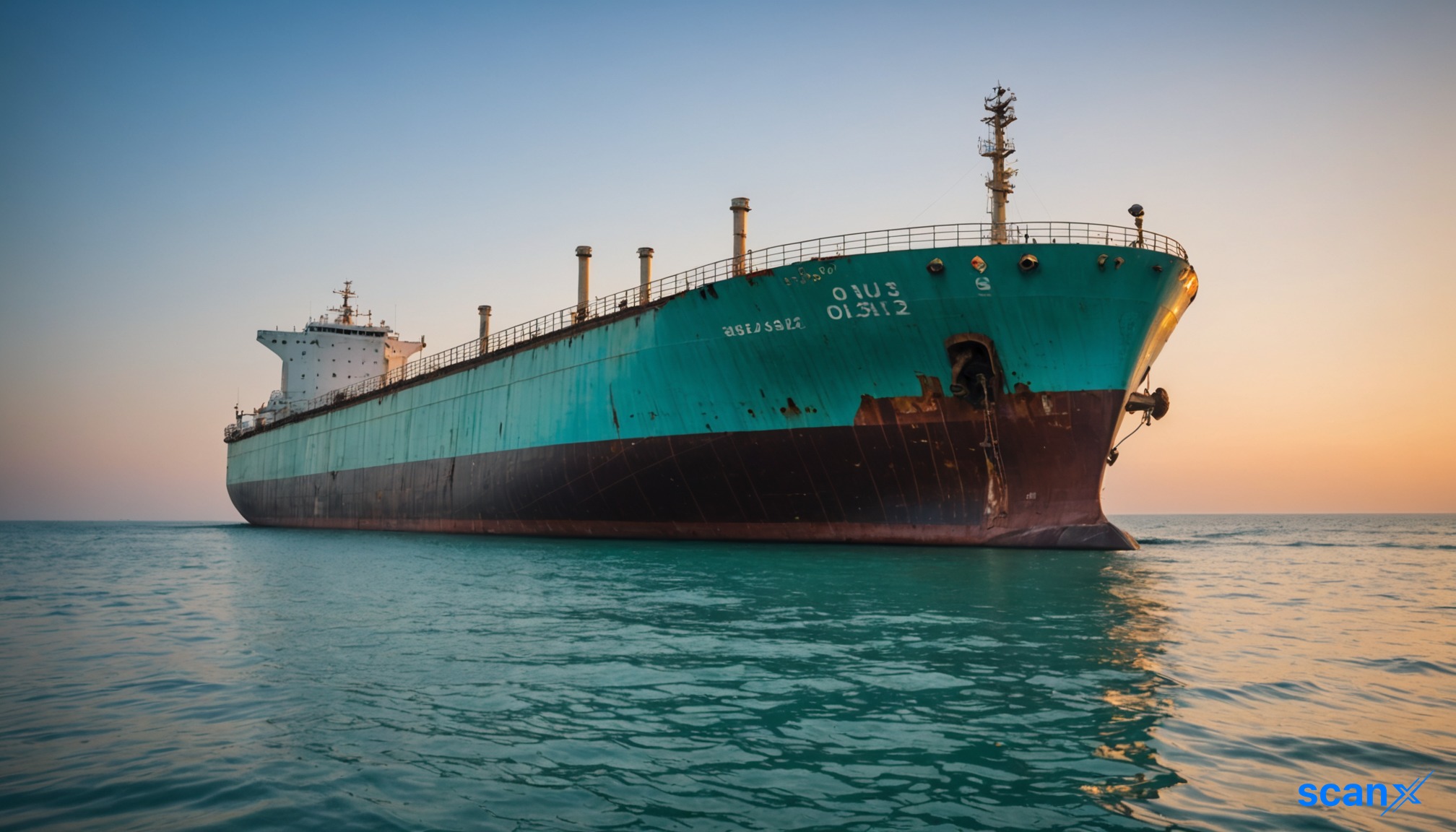
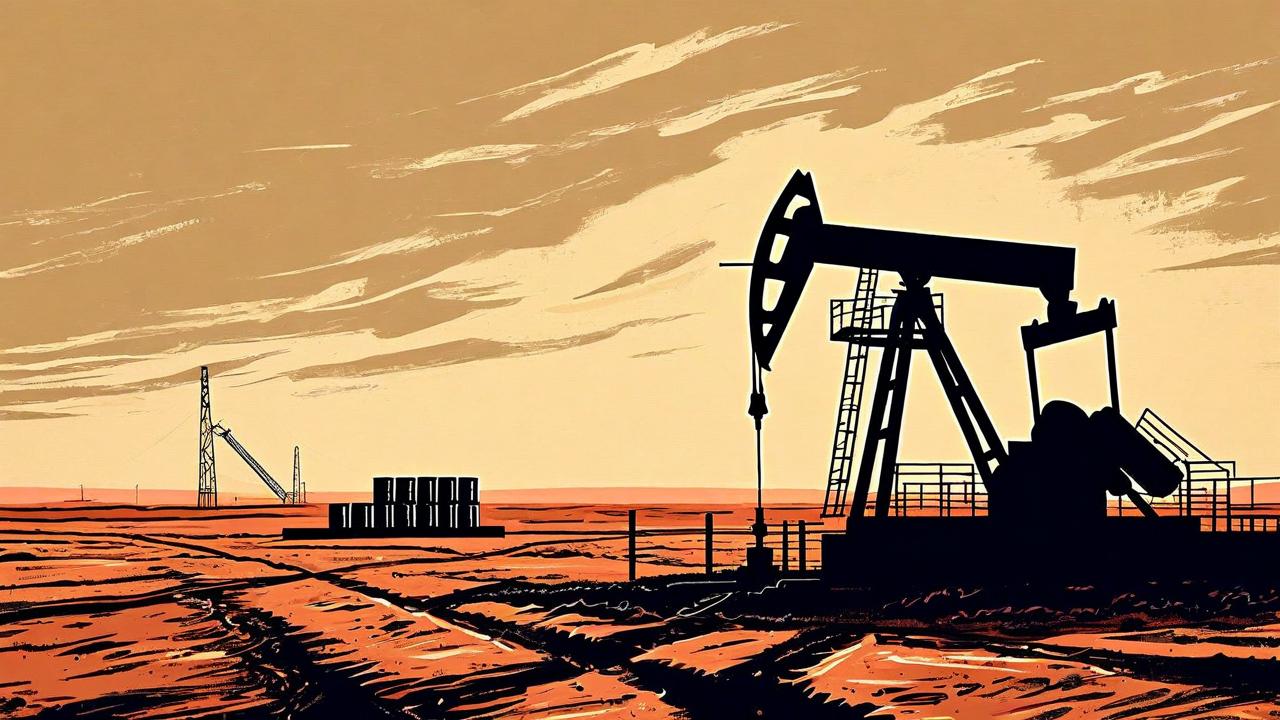
*this image is generated using AI for illustrative purposes only.
US gasoline prices reached a record high of $4.14/gallon heading into the Labor Day weekend, surpassing the previous peak set in 2012. Rep. Ro Khanna (D-Calif.) criticized President Donald Trump for the economic impact of the ongoing conflict with Iran.
Khanna stated on X that the average price at the pump was $4.14, compared to the last Labor Day weekend record high of $3.82. He asked, "Is this what winning looks like?" and called for an end to the war so the economy can recover.
Record Gasoline Prices
Data from the American Automobile Association (AAA) confirms the surge. The national average gas price breached the previous 2012 record of $3.82/gallon.
| Metric | Value | Context |
|---|---|---|
| National Avg Gas Price | $4.14/gallon | Heading into Labor Day |
| Previous Labor Day High | $3.82/gallon | Set in 2012 |
Prices typically decline in late summer as producers switch to winter blends. However, despite the Trump administration authorizing an earlier shift to winter blend gasoline, pump prices remain elevated due to supply-side pressures from the Iran conflict.
Political and Market Reactions
Sen. Bernie Sanders (I-Vt.) also blamed the Iran war for higher fuel costs, citing a $4.15-per-gallon national average over the weekend. He stated the war was "wreaking havoc on the economy" and called for it to end immediately.
Obsidian Risk Advisors Managing Principal Brett Erickson noted that Trump has lost influence over oil markets as tensions push oil toward $100/barrel. Erickson highlighted that diesel prices are reaching all-time highs while gasoline hits Labor Day records.
Energy Secretary Chris Wright previously stated that gasoline prices were "more likely to go down than go up," citing futures prices more than 30 cents per gallon below current levels. However, GasBuddy analyst Patrick De Haan warned that even if prices fall below $4/gallon, they may still be the most expensive ever for that time of year.
Market Outlook
Trump asserted that oil prices will drop precipitously once the US wins the war, projecting $2/gallon gasoline. At press time, West Texas Intermediate (WTI) crude futures for October 2026 traded at $92.95. Brent crude futures for November 2026 rose 0.52% to $97.58.
What the Numbers Show
The divergence between policy action and market reality is evident. While the administration authorized early winter blend shifts to lower costs, AAA data shows prices breached the previous 2012 record of $3.82/gallon, reaching $4.14/gallon. This suggests supply-side pressures from the Iran conflict are overriding domestic regulatory adjustments.

How might the sustained elevation of gasoline prices above $4.00/gallon impact consumer spending patterns and inflation metrics in the upcoming quarters?
What specific diplomatic or military developments regarding the Iran conflict would be required to credibly lower crude oil futures below $90/barrel?
Could the divergence between Energy Secretary Wright's optimistic forecasts and current market realities erode public trust in federal economic guidance?
 18
18





 Access Market Heat-map & Insights
  Create, Save & Share your Screener
  Use 200+ Screening Filters





