

Oil Prices Remain Flat as US Strike Concerns on Iran Diminish


Oil prices showed minimal movement Friday with Brent down 0.05% to $63.73 and WTI up 0.07% to $59.22 per barrel as US-Iran strike concerns diminished. Trump's indication that Tehran's protest crackdown was easing led to unwinding of geopolitical risk premiums. Higher-than-expected US crude and gasoline inventory builds from EIA data added downward pressure, while Venezuela's resumed oil exports after production cuts further weighed on markets.



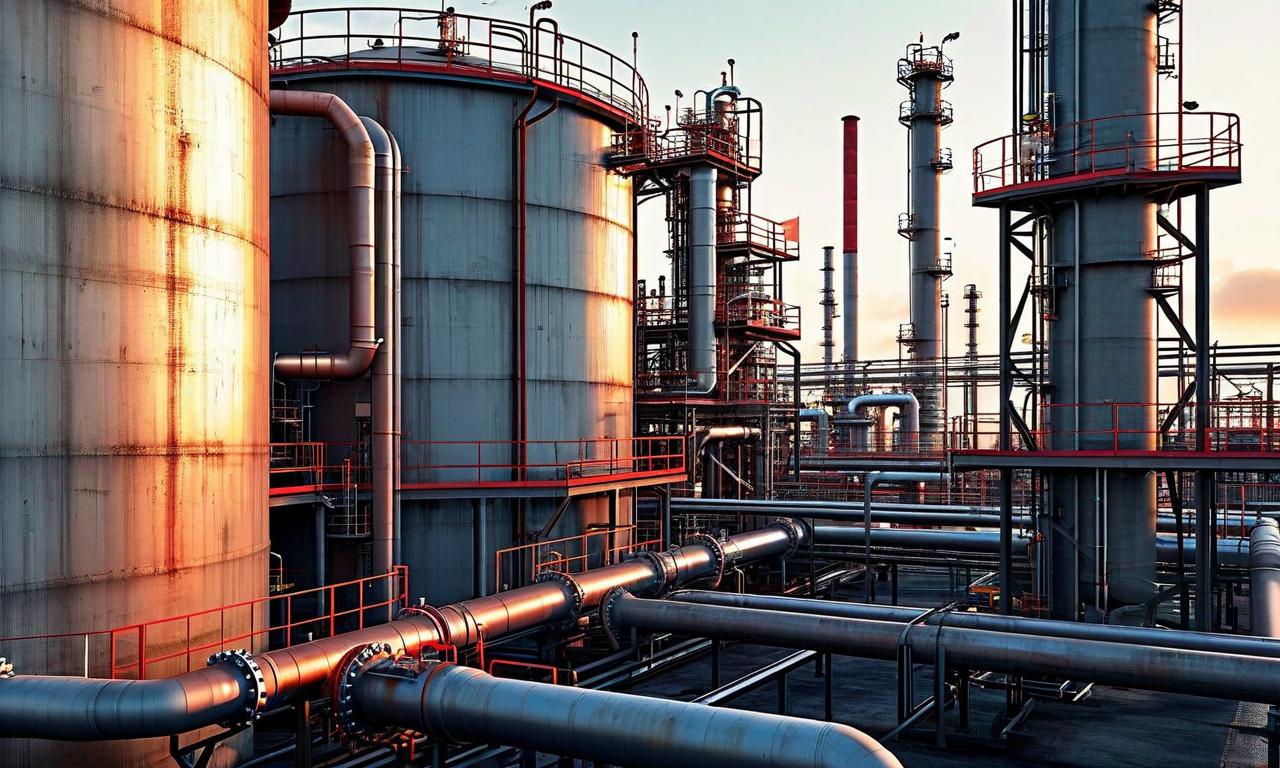
*this image is generated using AI for illustrative purposes only.
Oil prices remained largely unchanged on Friday as market concerns over potential US military strikes against Iran began to recede, leading to a swift unwinding of geopolitical risk premiums that had driven crude to multi-month highs earlier in the week.
Current Price Movements
Both major oil benchmarks showed minimal price action during Friday trading:
| Crude Type: | Current Price | Change | Percentage |
|---|---|---|---|
| Brent Crude: | $63.73/barrel | -3 cents | -0.05% |
| WTI Crude: | $59.22/barrel | +4 cents | +0.07% |
These prices were recorded as of 0223 GMT, reflecting the market's cautious response to evolving geopolitical developments.
Geopolitical Tensions Ease
The oil market had experienced significant volatility throughout the week following protests in Iran and signals from US President Donald Trump regarding potential military action. Both Brent and WTI had surged to multi-month highs as traders priced in supply disruption risks.
However, late Thursday brought relief to the market when President Trump indicated that Tehran's crackdown on protesters was easing, effectively reducing concerns about imminent military intervention that could disrupt regional oil supplies. This development prompted what analysts described as a rapid unwinding of the "Iran premium" that had been built into oil prices.
US Inventory Data Weighs on Market
Adding downward pressure to oil prices, the US Energy Information Administration released weekly inventory data showing larger-than-expected builds in both crude oil and gasoline stocks. The substantial crude build exceeded analyst estimates, contributing to the market's bearish sentiment and compounding the effects of reduced geopolitical tensions.
IG analyst Tony Sycamore noted that this combination of factors led to the swift reversal from twelve-week highs, as both geopolitical and fundamental factors aligned to pressure prices lower.
Venezuela Production Developments
Further supply-side pressure emerged from Venezuela, where sources indicated the country had begun reversing its production cuts and resumed oil exports. This additional supply availability comes at a time when the market is already grappling with reduced risk premiums and rising US inventories.
Industry Outlook and Projections
Despite current market pressures, major industry players maintain optimistic long-term views. Shell released its 2026 Energy Security Scenarios on Thursday, presenting a bullish outlook for global energy demand and oil consumption growth. The company projects that primary energy demand could reach levels 25% higher than the previous year by 2050.
Meanwhile, OPEC provided its assessment on Wednesday, stating that oil supply and demand fundamentals will remain balanced through 2026, with demand growth in 2027 expected to mirror the pace observed in the current year.
Historical Stock Returns for Oil India
| 1 Day | 5 Days | 1 Month | 6 Months | 1 Year | 5 Years |
|---|---|---|---|---|---|
| -1.44% | -3.57% | -4.47% | -3.50% | +12.43% | +196.62% |
 18
18












 Create Custom Screeners
  Access 200+ Pre-built Filters
  Use 50+ Readymade Screener





