

Oil Prices Steady After Four-Day Rally as Iran Political Tensions Drive Market Focus


Oil prices stabilized after their biggest four-day rally in six months, with WTI near $61 and Brent above $65, driven by Iran political tensions and potential US intervention threatening 3.3 million barrels-per-day production. Market analysts note record short positions amid rising geopolitical risks, while supply disruptions in the Black Sea and US inventory builds add complexity to global energy markets.


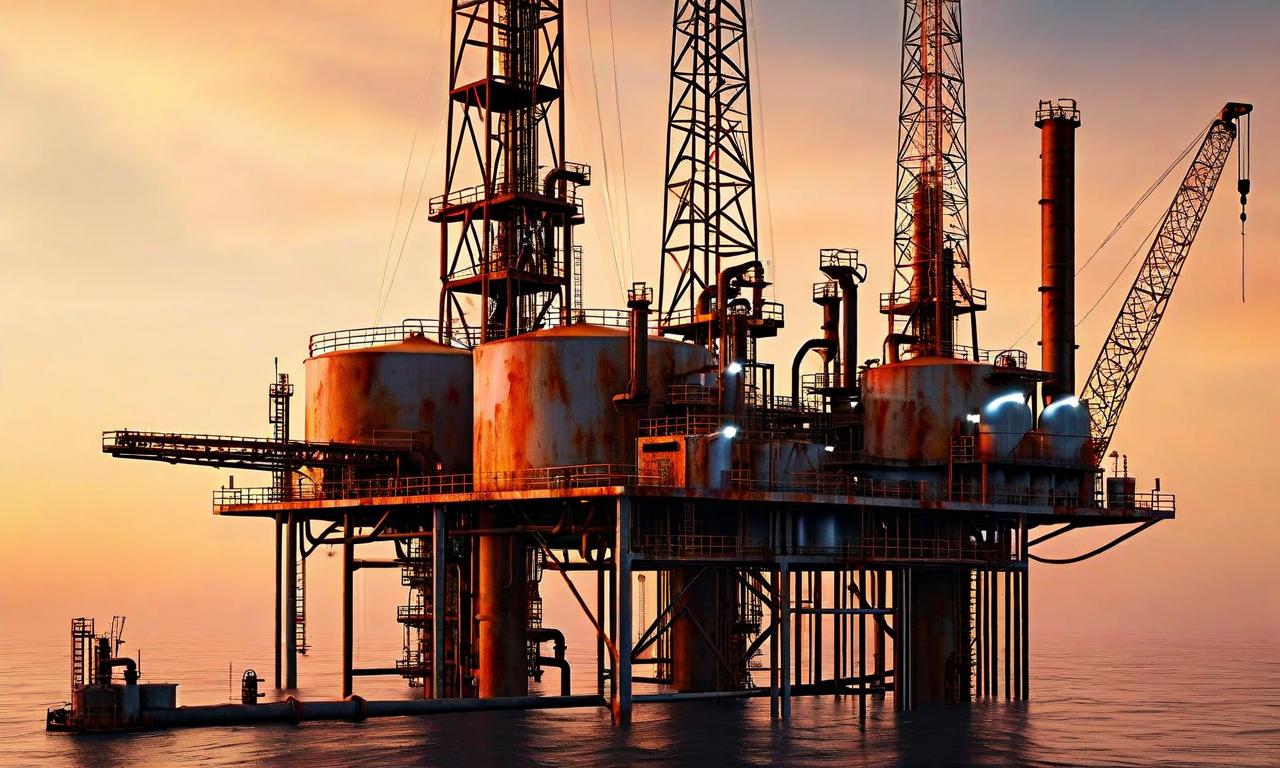
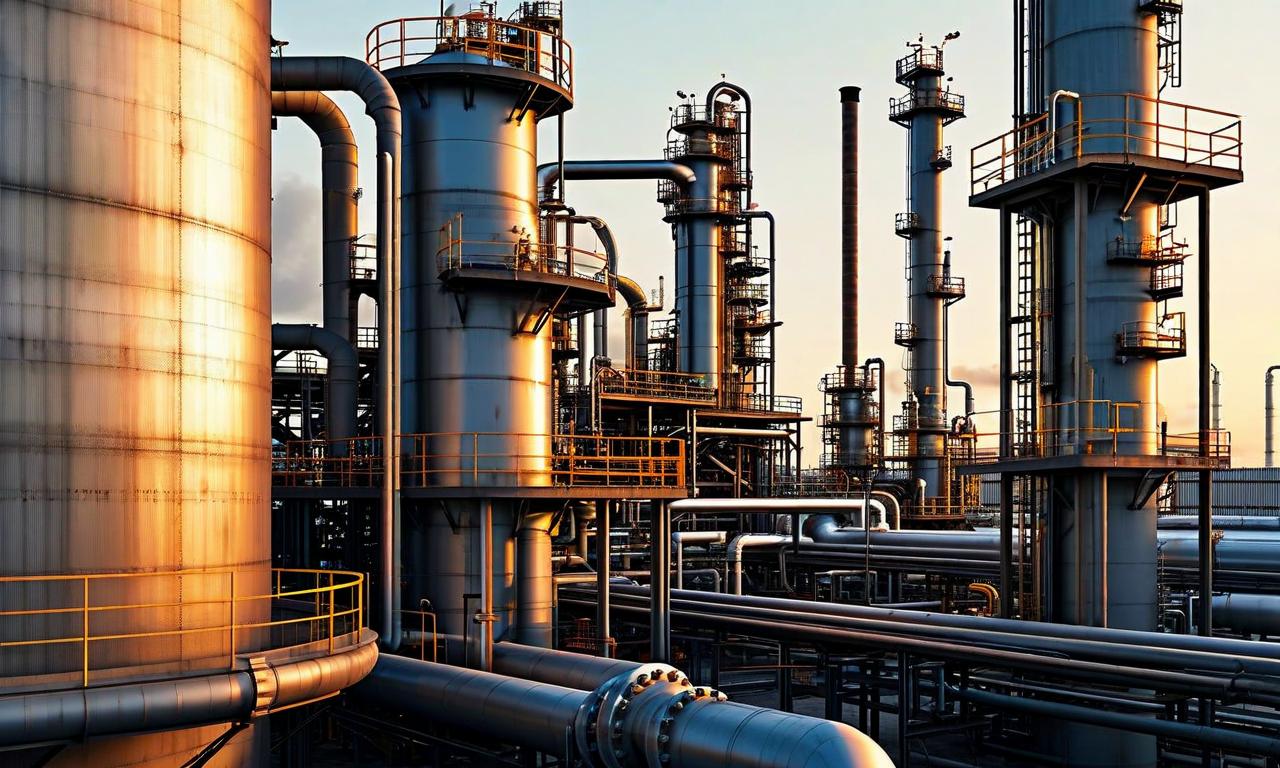
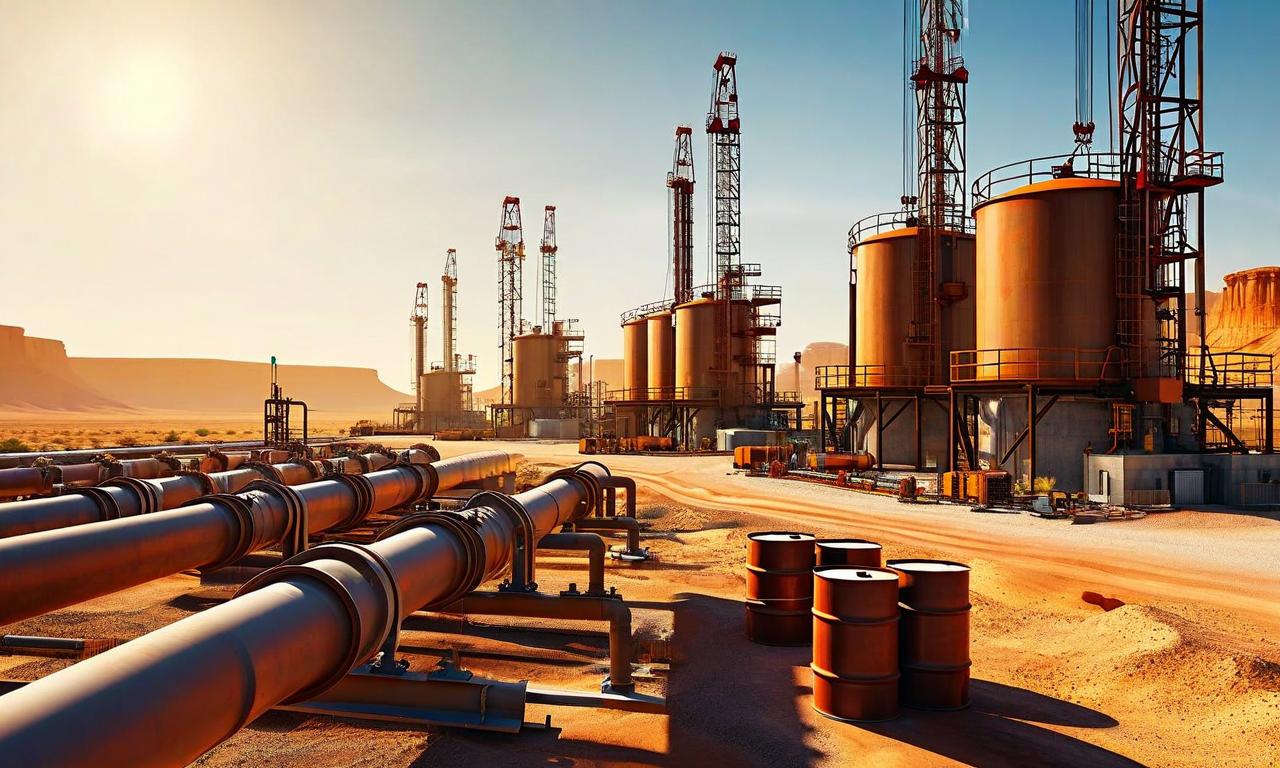
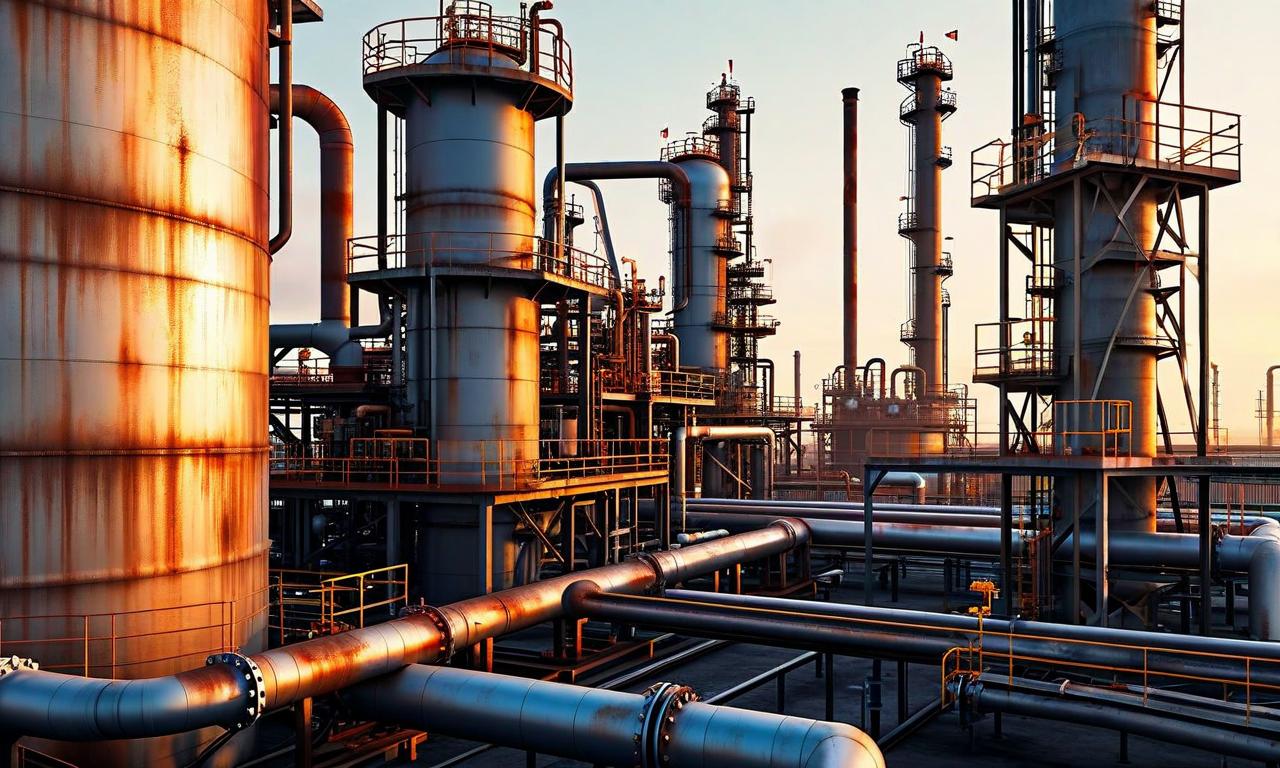
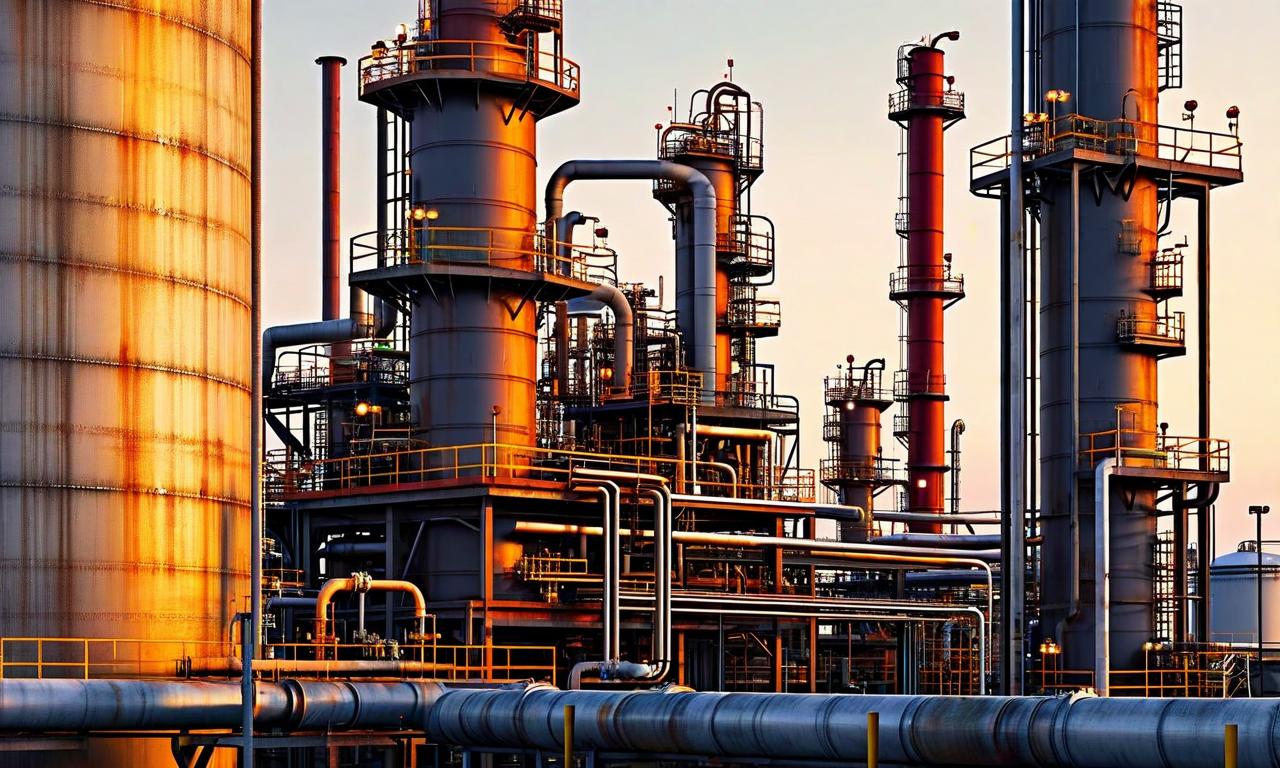
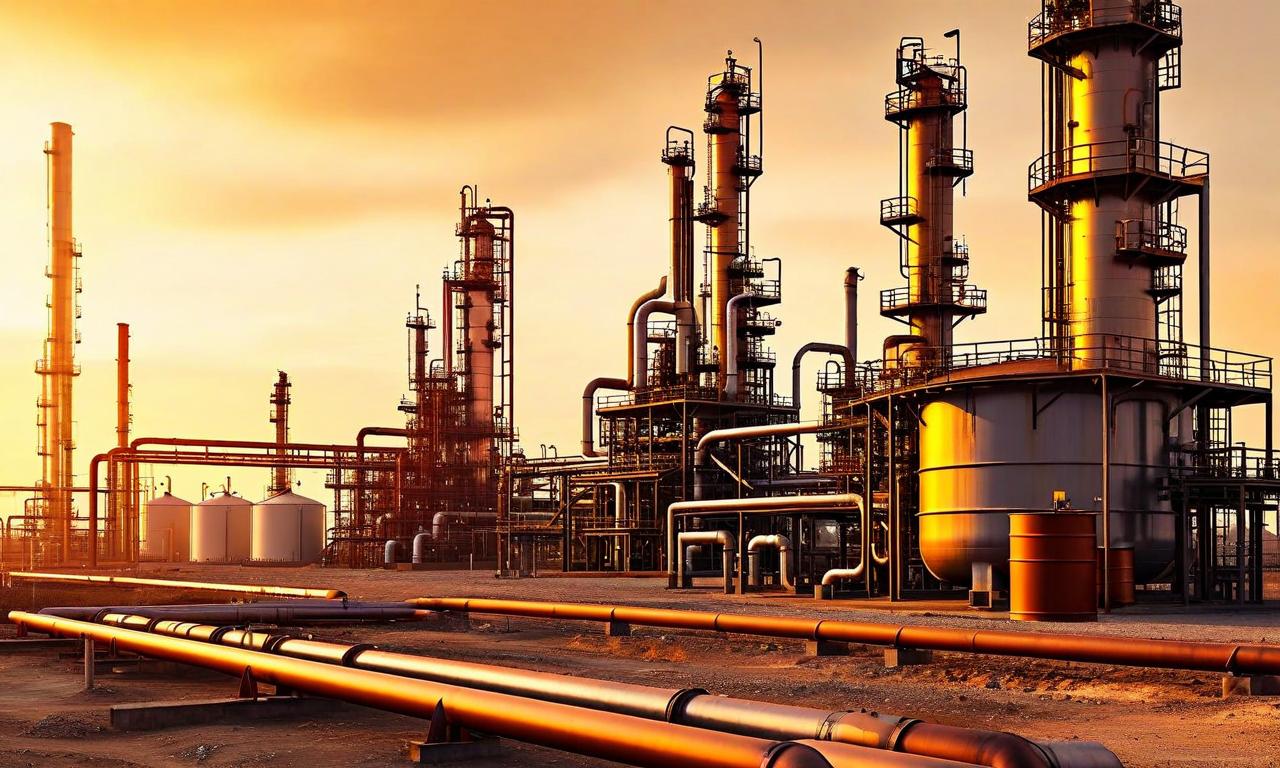
*this image is generated using AI for illustrative purposes only.
Oil prices stabilized after achieving their most significant four-day rally in over six months, as global markets focused on escalating tensions surrounding Iran and potential US policy responses. The energy markets are closely monitoring political developments that could significantly impact global oil supply chains.
Current Market Position
The oil market showed mixed signals following the recent surge, with key benchmarks maintaining elevated levels:
| Benchmark: | Current Price | Recent Performance |
|---|---|---|
| WTI February: | $61.11 per barrel | +9% over four sessions |
| Brent March: | $65.47 per barrel | +2.5% Tuesday close |
West Texas Intermediate traded near $61 per barrel at 8:22 a.m. in Singapore, slipping 0.1% for February delivery. Brent crude for March settlement had closed 2.5% higher at $65.47 per barrel on Tuesday, maintaining its position above the $65 threshold.
Geopolitical Tensions Drive Market Sentiment
The current rally stems from heightened geopolitical concerns centered on Iran, OPEC's fourth-largest producer. President Donald Trump urged Iranians to continue protests against the government of Supreme Leader Ayatollah Ali Khamenei before a scheduled White House meeting, stating he would "act accordingly" once he gets a sense for how many demonstrators have been killed.
Traders are closely monitoring the political unrest in Iran and possible American intervention, which could threaten the country's substantial oil production capacity of approximately 3.3 million barrels per day. Energy Secretary Chris Wright told Fox News that the US would "happily be a commercial partner" to achieve "better price realizations" for Iranian crude if the current regime fell.
Market Dynamics and Supply Concerns
The turmoil in Iran, combined with upheaval in Venezuela, has reinserted a risk premium into oil prices following five consecutive monthly losses driven by oversupply expectations. This shift has caught many market participants off guard, particularly those holding bearish positions.
"The market going in is record short," said Jeff Currie, chief strategy officer of energy pathways at Carlyle Group Inc., in a Bloomberg TV interview. "Demand is not slowing down, it's picking up. And geopolitical risk is at an all-time high — that's a recipe for a spike in prices right now."
Supply Chain Disruptions
Additional supply concerns emerged from multiple global incidents affecting oil infrastructure:
- US Stockpiles: Industry reports indicated US crude stockpiles rose 5.3 million barrels last week, potentially the biggest increase in two months pending official confirmation
- Black Sea Incidents: Two oil tankers were attacked near the loading terminal for the Caspian Pipeline Consortium
- Kazakhstan Exports: Planned shipments from Kazakhstan face complications from the Black Sea attacks, winter weather, and mooring damage
These developments have created a complex supply landscape that continues to influence market sentiment and pricing dynamics across global energy markets.
Historical Stock Returns for Oil India
| 1 Day | 5 Days | 1 Month | 6 Months | 1 Year | 5 Years |
|---|---|---|---|---|---|
| -1.44% | -3.57% | -4.47% | -3.50% | +12.43% | +196.62% |
 19
19




 Access Market Heat-map & Insights
  Create, Save & Share your Screener
  Use 200+ Screening Filters





