
 NewsRussia-India Oil Trade Continues Despite Sanctions, Highlighting Economic Punishment Limitations
Russia-India Oil Trade Continues Despite Sanctions, Highlighting Economic Punishment Limitations


Russia and India continue oil trade despite US imposing 500% duties, exploiting loopholes that allow exports when major companies like Rosneft and Lukoil aren't involved. Research shows strict sanctions succeed less than 10% of the time, with broader success rates around one-third. While sanctions can cause 1-3% GDP losses and economic damage, they often fail to change government behavior, especially in authoritarian regimes. Secondary sanctions and workarounds through alternative payment systems highlight the limitations of economic punishment as a diplomatic tool.

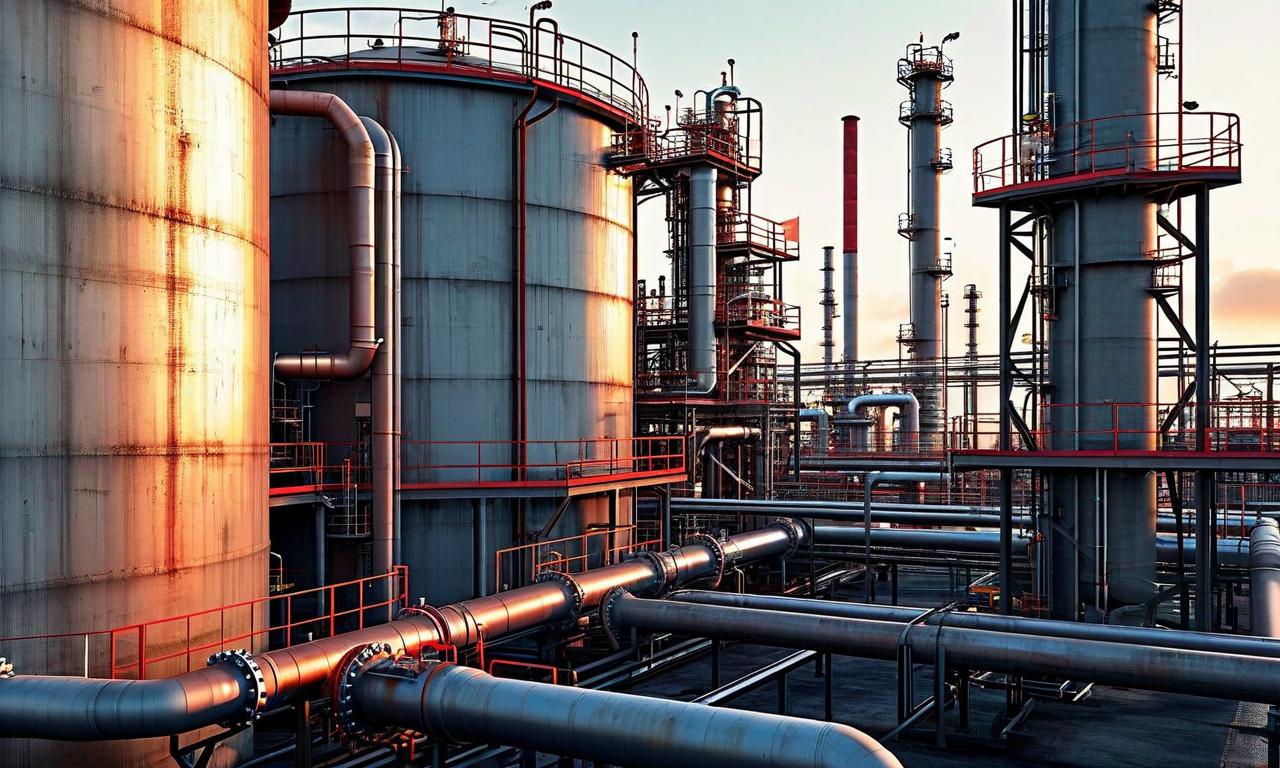

*this image is generated using AI for illustrative purposes only.
Recent developments in Russia-India oil trade have exposed significant limitations in the effectiveness of international economic sanctions. Despite the United States imposing 500% duties on entities dealing with Russian oil, trade between the two nations continues through regulatory loopholes. According to reports, as long as major Russian oil companies Rosneft and Lukoil are not directly involved, Russia can continue exporting oil to India, leading to the emergence of numerous small companies facilitating these transactions.
Effectiveness of Economic Sanctions
Research on sanctions effectiveness reveals sobering statistics about their success rates. Strict sanctions demonstrate success less than 10% of the time, while broader definitions of success show effectiveness rates of approximately one-third. The common perception that sanctions lead to complete trade stoppage represents a significant misconception, even among sanctioning countries.
| Sanction Impact: | Details |
|---|---|
| Success Rate (Strict): | Less than 10% |
| Success Rate (Broad): | Approximately 33% |
| Annual GDP Impact: | 1-3% losses |
| Additional Effects: | Higher inflation, weaker currencies, reduced investment |
Despite economic pressure, sanctions often fail to achieve their intended behavioral changes. Countries like Iran continue accessing Western goods through intermediary nations such as Turkey and Gulf states. Russia's economy surprised analysts in 2024 when the International Monetary Fund projected it would outpace some advanced countries, creating embarrassment for Western policymakers.
Secondary Sanctions and Systemic Risks
When primary sanctions prove insufficient, countries implement secondary sanctions targeting third parties that trade with sanctioned entities. The United States leverages its dominance over the dollar and global financial system to determine market participation. Major banks, insurers, and multinational companies cease business with sanctioned entities, creating pressure on entire industries.
However, aggressive use of secondary sanctions carries significant costs. Excessive implementation damages trust in the global financial system, prompting even allied nations to seek protective measures including alternative currencies, independent payment systems, and increased bilateral trade arrangements.
Adaptation and Workarounds
Sanctioned entities demonstrate remarkable adaptability in circumventing restrictions. When Western nations sanctioned VTB Bank and removed it from SWIFT in 2022, the institution adapted by enabling transfers through Chinese platforms like Alipay, successfully bypassing international restrictions and maintaining customer fund transfers.
| Workaround Method: | Implementation |
|---|---|
| Alternative Payment Systems: | Chinese platforms (Alipay) |
| Shadow Fleet Operations: | Less transparent shipping channels |
| Third-party Intermediaries: | Small company networks |
| Currency Alternatives: | Non-dollar transactions |
Russia's shadow fleet operations exemplify how sanctions disrupt formal networks while shifting economic activity into less transparent channels. These adaptations highlight the limitations of traditional enforcement mechanisms.
Political and Economic Realities
Sanctions serve multiple purposes beyond behavioral modification. They function as diplomatic signals, demonstrate financial control, and communicate disapproval to domestic audiences. Freezing assets or removing banks from SWIFT often prioritizes message-sending over actual policy change expectations.
The effectiveness of sanctions depends on specific conditions including narrow, negotiable objectives, strong international coalitions, and strict enforcement mechanisms. Sanctions typically limit capabilities rather than forcing surrender or fundamental behavioral changes. Expectations that sanctions will end conflicts or topple regimes often prove unrealistic and may undermine genuine diplomatic efforts.
Impact Assessment
While sanctions can cause measurable economic damage, their success in changing government behavior remains limited, particularly with authoritarian regimes capable of suppressing dissent. The civilian population often bears the greatest burden of sanctions impact, while targeted leadership may remain relatively insulated from economic pressure.
The ongoing Russia-India oil trade demonstrates how determined parties can maintain commercial relationships despite international pressure, raising fundamental questions about the role of economic sanctions in modern diplomacy and their effectiveness as tools for international behavioral modification.
Historical Stock Returns for Oil India
| 1 Day | 5 Days | 1 Month | 6 Months | 1 Year | 5 Years |
|---|---|---|---|---|---|
| -1.44% | -3.57% | -4.47% | -3.50% | +12.43% | +196.62% |
 17
17







 Access 50+ Readymade Screeners
  Use 200+ Custom Filters
  Get Full Market Insights





