

Trump urges oil firms to expand refining capacity amid Iran war shocks


- President Trump urges oil firms to expand refining capacity to lower fuel costs amid Iran tensions
- Wall Street Journal notes expansion is a "tough sell" due to high costs and shareholder pressures
- Chevron plans $7 billion investment in Venezuela to double production to 600,000 bpd by 2026
- WTI crude falls 1.07% to $90.04/bbl while Brent drops 1.18% to $94.5/bbl
- National average gasoline price holds above $4 at $4.1203/gallon despite refinery capacity constraints

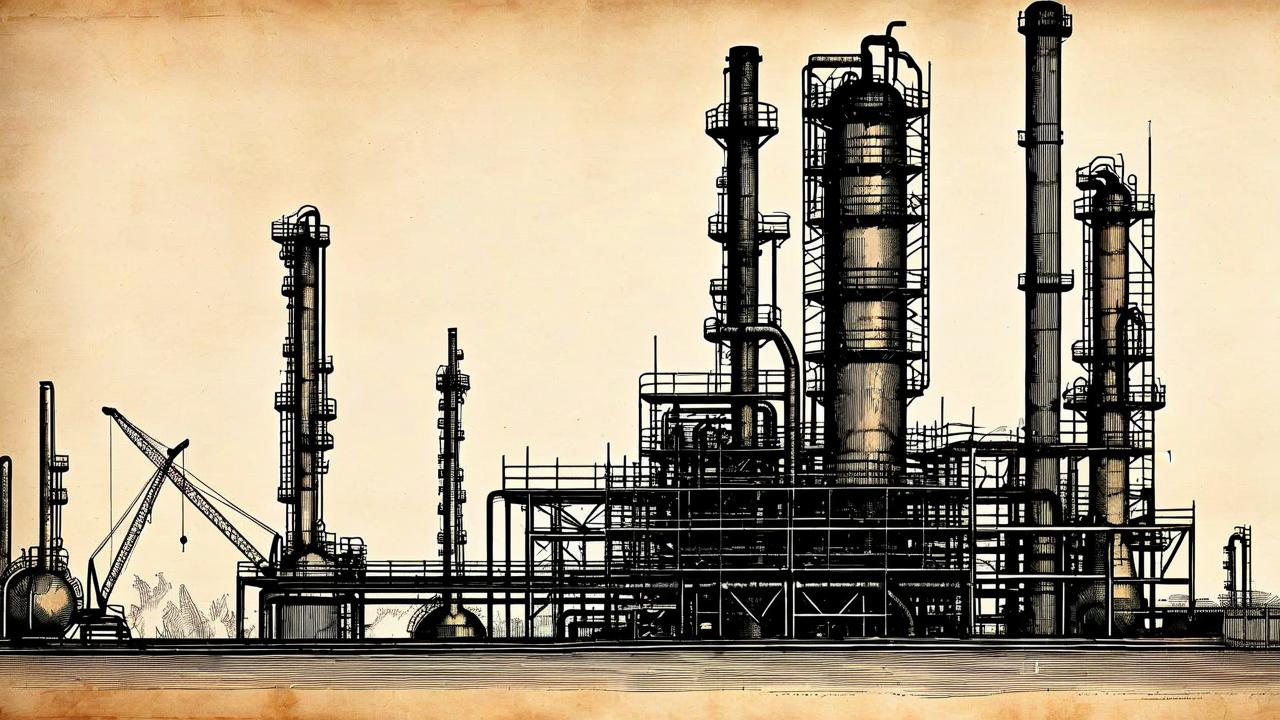

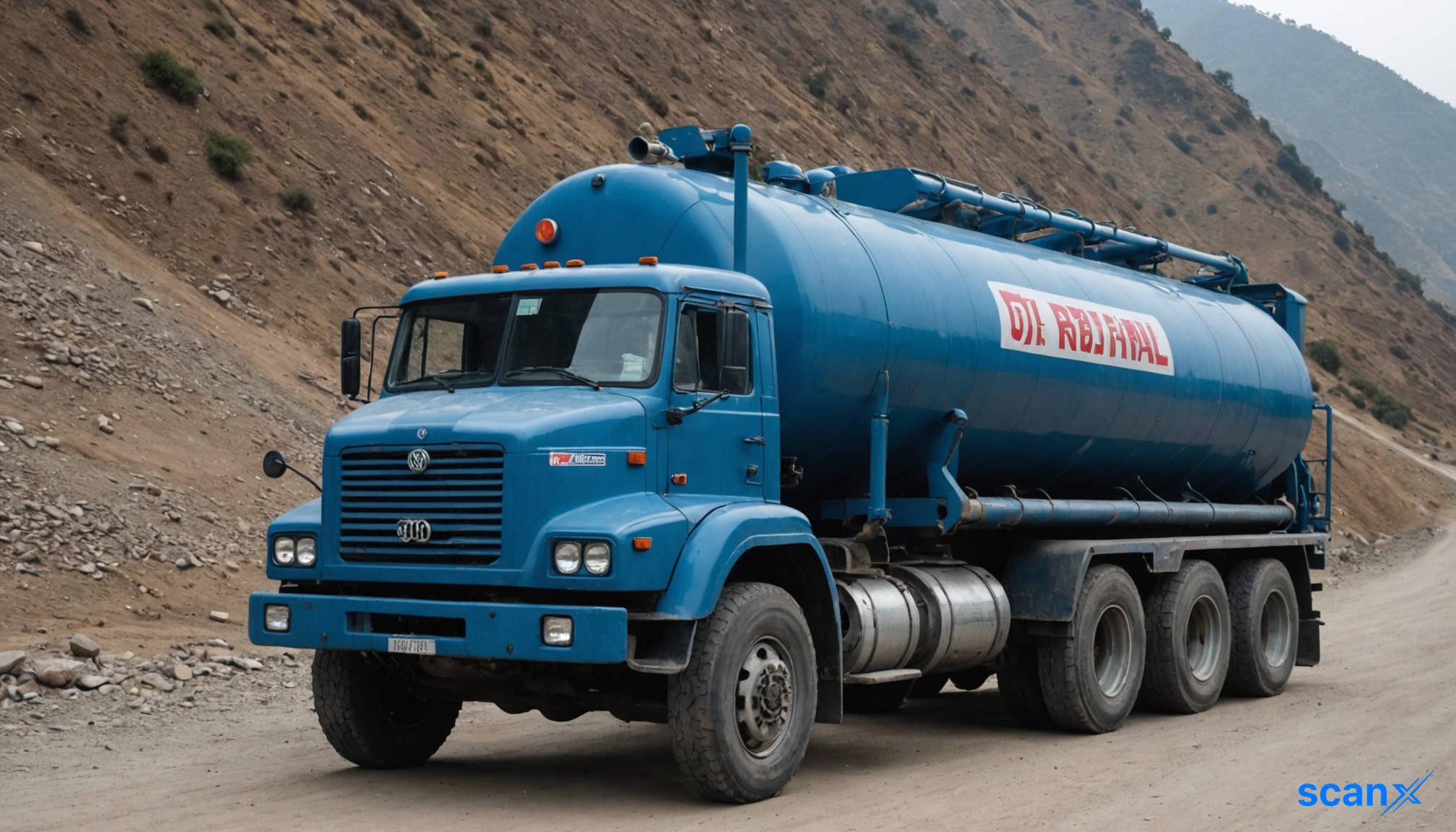
*this image is generated using AI for illustrative purposes only.
President Donald Trump has urged oil companies to expand refining capacity in an effort to reduce fuel costs at the pump. This push comes amid escalating tensions with Iran and rising crude prices.
A Tough Sell
A report by the Wall Street Journal detailed Trump's meeting with oil executives on Tuesday, where he advocated for scaling up refining infrastructure. The report noted that expanding capacity could be a "tough sell" for producers, as building new refineries may not yield immediate profitability for these enterprises.
Constructing such facilities requires billions of dollars in investment and takes years to execute. GasBuddy analyst Patrick De Haan told Benzinga that oil producers are beholden to shareholders and lack the incentive to lower gas prices on command. De Haan added that even if companies choose to build new projects, it would take years for them to bear fruit.
Chevron Charts Venezuela Investment
Oil giant Chevron Corp (NYSE: CVX) recently announced plans to invest over $7 billion over the next five years. The company targets doubling production to approximately 600,000 barrels per day from 2026 levels.
This move follows Trump's claim that the U.S. had secured 65 billion barrels of oil from Venezuela, which he touted as the "biggest oil deal" in world history. While Trump suggested Venezuelan oil could offset high costs, De Haan warned that refining capacity remains a challenge. He noted there is no room for more oil, as refineries were working at 95% capacity all summer.
Oil, Gas Prices
At the time of writing, West Texas Intermediate (WTI) crude futures expiring in October were down 1.07% at $90.04 per barrel. Brent crude futures expiring in November declined 1.18% to hover around $94.5 a barrel.
On the retail front, the national average price of gasoline remained above $4, specifically at $4.1203/gallon on Wednesday. The national average price of diesel stood at $5.6879/gallon, according to data from the American Automobile Association (AAA).
| Metric | Price | Change |
|---|---|---|
| WTI Crude (Oct) | $90.04/bbl | -1.07% |
| Brent Crude (Nov) | $94.5/bbl | -1.18% |
| Avg Gasoline | $4.1203/gal | N/A |
| Avg Diesel | $5.6879/gal | N/A |
Geopolitical Context
Amid the Iran conflict, Trump reportedly approved a "tanker for tanker" policy against Iran. The U.S. struck two Iranian oil vessels parked ahead of a naval blockade imposed by Washington. These strikes followed an exchange of missile strikes after the U.S. targeted Iranian sites on Sunday.
Iran responded by targeting U.S. assets in the region and criticized a strike in Iran's Kuhestan on a wedding celebration that resulted in four deaths, including a child. Trump also suggested renaming the Strait of Hormuz the "Trump Strait," citing U.S. control over the waterway. This suggestion faced staunch criticism from Democratic leaders, including Senate Minority Leader Sen. Chuck Schumer (D-NY).

How might the proposed 'tanker for tanker' policy against Iran impact global crude supply chains and insurance premiums in the Strait of Hormuz?
What regulatory or financial incentives could the administration offer to overcome the multi-year ROI timeline and shareholder resistance to new refinery construction?
Given that refineries are operating at 95% capacity, what immediate logistical bottlenecks could arise if Venezuelan oil exports increase without corresponding domestic processing expansion?
 18
18







 Access Market Heat-map & Insights
  Create, Save & Share your Screener
  Use 200+ Screening Filters





