
 NewsGold and Silver Trade at Abnormal Premiums on MCX and ETFs Amid Budget Duty Hike Speculation
Gold and Silver Trade at Abnormal Premiums on MCX and ETFs Amid Budget Duty Hike Speculation


Gold and silver are trading at abnormally high premiums over international benchmarks in India due to speculation about potential customs duty hikes in the February 1 Union Budget. Silver premiums exceed ₹30,000 per kg while gold premiums reach 3-4%, causing MCX gold futures to rise 5% to ₹1,57,750 and silver futures to jump 3% to ₹3,33,672. ETFs show even sharper gains with some rising nearly 10%. The premium surge is disrupting arbitrage trades and causing losses for international traders, while market speculation focuses on whether the government might reverse its July 2024 duty cut from 15% to 6%.



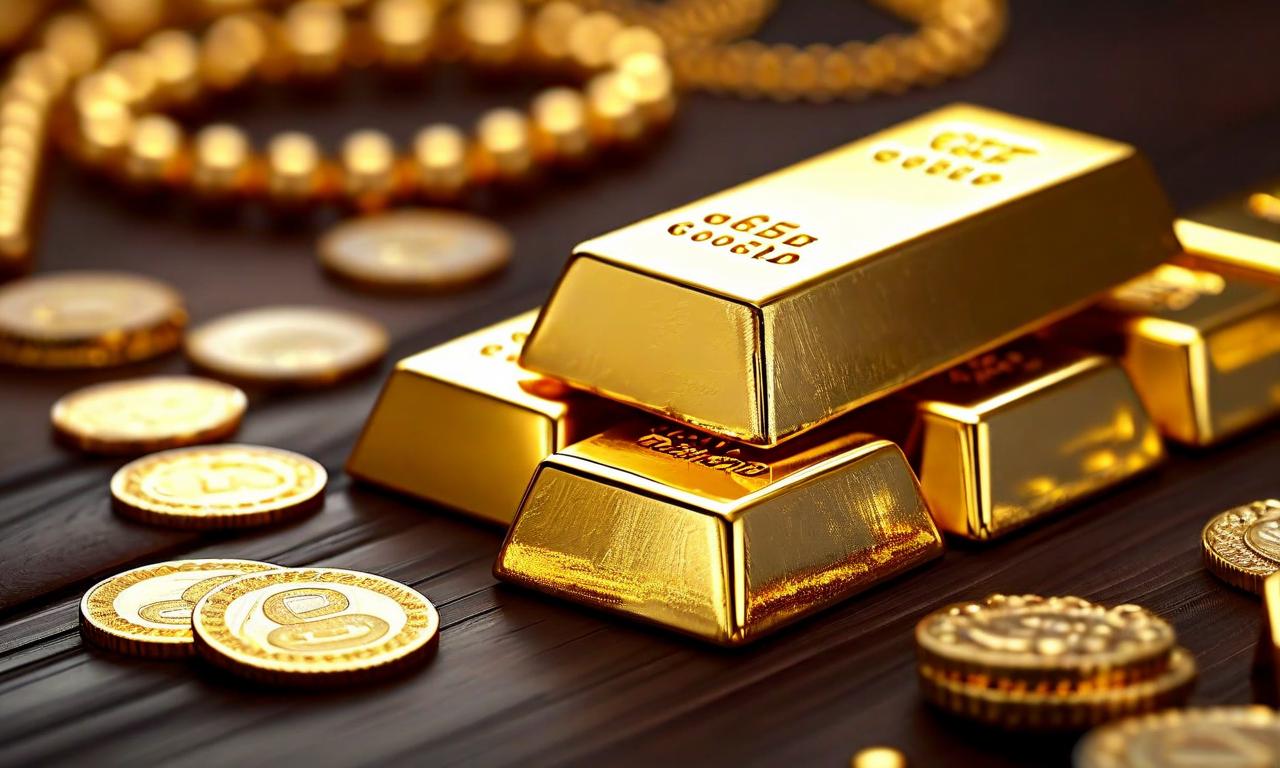
*this image is generated using AI for illustrative purposes only.
Precious metals gold and silver are experiencing unprecedented premium levels over international benchmarks in India, driven by widespread market speculation about potential customs duty increases in the upcoming Union Budget scheduled for February 1. The dramatic premium surge has created significant market disruptions and trading anomalies across both commodity exchanges and exchange-traded funds.
Premium Surge Reaches Abnormal Levels
The current premium spike represents a sharp departure from normal market conditions, with silver premiums exceeding ₹30,000 per kg and gold premiums reaching 3-4% above international rates. This marks a significant deviation from the typical minimal spread between Multi Commodity Exchange (MCX) and COMEX prices, signaling widespread market anxiety about possible policy changes.
"The premium in the Indian market is abnormally high this time because the market is expecting there may be a duty hike in the Budget. That's why the premium is increasing," explained Manoj Kumar Jain, Director and Head of Commodity and Currency Research at Prithvi Finmart.
Market Performance and Price Movements
The speculation has translated into substantial price movements across various trading platforms. The following table illustrates the significant gains recorded:
| Instrument: | Price/Change | Performance |
|---|---|---|
| MCX Gold February Futures: | ₹1,57,750 | +5.00% |
| MCX Silver March Futures: | ₹3,33,672 | +3.00% |
| Gold BeES ETF: | - | +7.60% |
| Zerodha Gold ETF: | - | +9.60% |
| Nippon India Silver ETF: | - | +4.80% |
The ETF segment has shown particularly pronounced gains, with some gold ETFs recording nearly double-digit increases, reflecting heightened investor interest and speculation.
Technical Disruptions in Arbitrage Trading
The abnormal premiums are creating significant technical challenges for international arbitrage traders. These traders typically maintain long positions on COMEX while shorting MCX contracts to profit from price differentials. However, the widening spread is now causing substantial losses for these market participants.
"International traders also do arbitrage between COMEX and MCX. Normally international traders are long on COMEX, short on MCX. Now as the price is going up, the spread is increasing and they are incurring losses. So there is a technical reason as well for this premium," Jain explained.
Policy Speculation and Market Rationale
Market speculation centers on whether the government might reverse its July 2024 decision to reduce customs duty on gold and silver from 15% to 6%. The original duty reduction was designed to support the gems and jewellery sector while curbing smuggling activities.
Current market concerns focus on the relationship between rising gold prices and rupee depreciation. "Now rising gold prices are directly impacting rupee depreciation. The government may hike duty to protect rupee depreciation," Jain noted. This concern has gained prominence as the rupee recently plunged 67 paise to close at an all-time low of 91.64 against the US dollar.
Investment Recommendations and Outlook
Despite short-term volatility, analysts maintain a positive long-term outlook for precious metals. HDFC Securities noted that "based on the fundamentals and technical setup, gold and silver's long-term bullish trend seems intact and still has the potential to deliver extraordinary returns in the year 2026."
However, the brokerage cautioned that potential duty reductions could create downward pressure on domestic prices. Given current elevated premiums, particularly for silver, experts are recommending cautious positioning.
"Given the sharp rise in prices we have told clients to avoid silver. Better to have gold. Those investors having riskier assets in their portfolio, they must allocate more to gold," Jain advised. HDFC Securities recommended investors allocate up to 10% of their portfolio to precious metals, suggesting ETFs as the preferred investment vehicle.
 15
15












 Access Market Heat-map & Insights
  Create, Save & Share your Screener
  Use 200+ Screening Filters





