Silver Prices Surge Nearly Rs 85,000 in First 20 Days of 2026 Amid Geopolitical Tensions

3 min read     Updated on 20 Jan 2026, 11:46 AM
scanx
Reviewed by
Radhika SScanX News Team
Overview

Silver has surged over 35% or nearly Rs 85,000 in the first 20 days of 2026, breaking past Rs 3 lakh per kg on MCX and reaching $94 per troy ounce internationally. The rally is driven by supply constraints and geopolitical tensions involving the US, Iran and Greenland, with additional momentum from US-EU concerns over Trump's Greenland acquisition threats. While technical indicators show some bearish divergence and long unwinding, experts recommend strategic positioning for long-term investors and tactical profit-taking for short-term traders, citing silver's dual role as monetary hedge and industrial metal with strong structural fundamentals.

30435369

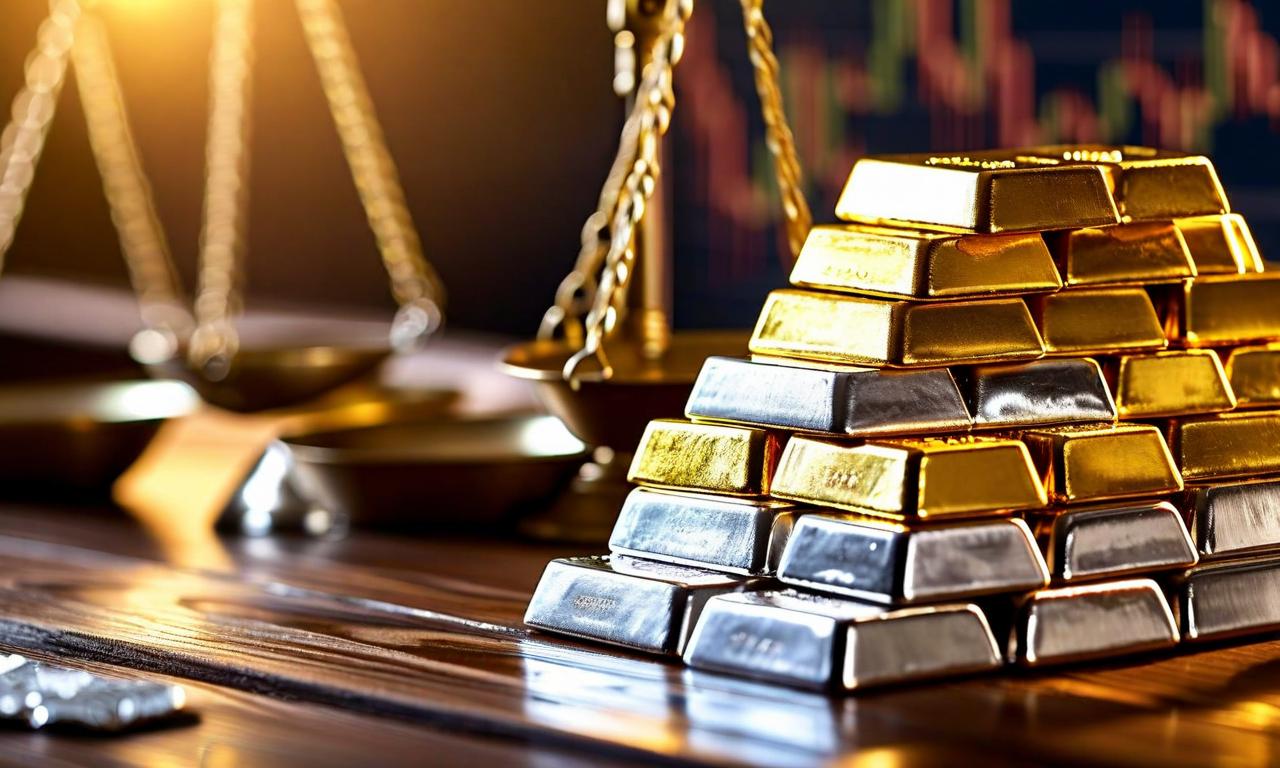
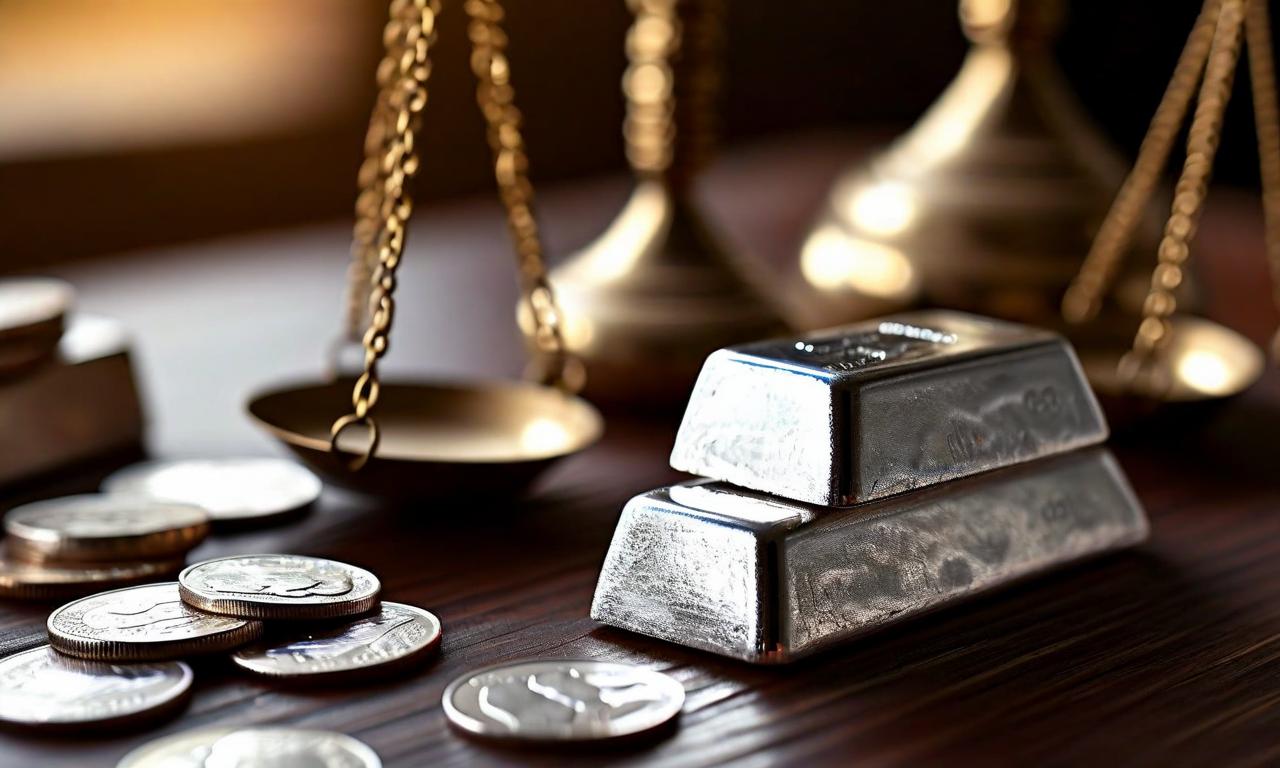
*this image is generated using AI for illustrative purposes only.

Silver has begun 2026 on a remarkable note, surging more than 35% or nearly Rs 85,000 in the first 20 days of the year. The rally has been driven by a combination of supply constraints and heightened geopolitical tensions involving the US, Iran and Greenland, prompting investors to reassess their strategies as the white metal reaches unprecedented levels.

Record-Breaking Price Movement

The silver rally gained significant momentum after MCX silver futures broke past the psychological Rs 3 lakh per kg mark. In the latest trading session, prices jumped over 2.50% or nearly Rs 8,000 to reach Rs 3,19,949 per kg. Internationally, silver has reached $94 per troy ounce, a level previously considered unthinkable by market participants.

Parameter: Current Level
MCX Silver Price: Rs 3,19,949 per kg
International Price: $94 per troy ounce
20-Day Gain: Rs 85,000 (35%+ surge)
Daily Jump: 2.50% (Rs 8,000)

The latest spike was triggered by renewed concerns between the US and the European Union after US President Donald Trump threatened to acquire Greenland and impose punitive tariffs on Europe.

Technical Analysis and Market Indicators

Aamir Makda, Commodity and Currency Analyst at Choice Broking, describes the current situation as a "perfect storm" of industrial scarcity and geopolitical shifts. Technical charts indicate further upward momentum potential, with immediate support positioned at the 20-DEMA level of Rs 2,55,100.

However, technical indicators are showing mixed signals:

  • Bearish RSI Divergence: While prices continue climbing to new peaks, internal momentum appears to be weakening
  • Open Interest Decline: OI levels have fallen to 9,850 lots in the March contract, suggesting long unwinding
  • Risk-Reward Balance: Currently stands at 1:1 considering the sharp run-up over the past 13-14 months

Jigar Trivedi, Senior Analyst at Reliance Securities, suggests that some time-based consolidation may occur in the near term. However, given the prevailing political and geopolitical backdrop, the rally could extend toward the psychological level of $100 per ounce. In rupee terms, Rs 3,30,000 per kg is identified as the next key resistance level.

Investment Recommendations and Strategy

Market experts are providing varied guidance based on different investment horizons and risk profiles:

For Short-Term Traders

  • Consider tactical profit-taking at current elevated levels
  • Focus on strategic positioning rather than chasing record highs
  • Monitor technical indicators for entry and exit points

For Long-Term Investors

Justin Khoo, Senior Market Analyst at VT Market, emphasizes that this breakout represents part of a broader structural uptrend supported by supply constraints and robust industrial demand, particularly in solar, electronics, and electric vehicles. Silver remains a compelling hedge against inflation and market uncertainty.

Investment Approach: Recommendation
New Investors: Allocate 5-10% to silver and gold ETFs
Existing Holders: Maintain positions through volatility
Trading Strategy: Buy on meaningful dips, hold core positions
Portfolio Allocation: Part of diversified multi-asset framework

Market Fundamentals and Outlook

Akshat Garg, Head of Research and Product at Choice Wealth, recommends that new investors consider adding Silver ETFs as part of a diversified multi-asset portfolio. The metal's strong structural drivers remain intact, with existing investors advised to avoid exiting at current levels.

Silver's unique position stems from its dual role as both a monetary hedge and an industrial metal. Over half of its demand now comes from applications in solar power, electric vehicles, data centres and electrification. Persistent supply deficits, driven by constrained mine output and recycling capabilities, point to a tight market structure that positions silver to potentially outperform gold during growth phases while offering protection during volatile periods.

The combination of institutional flows, ETF participation, and long-term fundamentals continues to provide underlying support for the metal, with experts suggesting that discipline and conviction will matter more than short-term market timing throughout 2026.

like17
dislike

Gold Prices Surge 132% in 14 Months: Analysis of Investment Strategy Amid All-Time Highs

3 min read     Updated on 20 Jan 2026, 07:09 AM
scanx
Reviewed by
Radhika SScanX News Team
Overview

Gold prices have surged 132% in 14 months, reaching ₹1.45 lakh per 10gm and significantly outperforming equity markets with 20% returns versus Nifty's 8.7%. Three factors drive this rally: US trade policy uncertainties creating safe-haven demand, ongoing Middle East geopolitical tensions, and speculative trading with FOMO dynamics. Despite impressive performance, experts recommend maintaining 5-10% portfolio allocation in gold rather than substituting equity investments, emphasizing balanced asset allocation for sustainable long-term wealth creation.

30418761

*this image is generated using AI for illustrative purposes only.

Gold prices have reached unprecedented heights, defying expectations of corrections even after crossing the ₹1 lakh per 10gm milestone. The precious metal continues its remarkable ascent, with current prices approaching ₹1.45 lakh per 10gm and analysts speculating whether ₹1.5 lakh is within reach.

Spectacular Performance Numbers

The gold market has delivered extraordinary returns that have significantly outpaced equity markets. The performance data reveals the extent of this precious metal rally across different timeframes.

Period Starting Price Current Price Gain (%) Comparison
2024 Performance - - 20.00% vs Nifty 8.70%
2025 (till mid-Oct) ₹78,000 ₹1,33,000 70.00% -
Since July 2024 ₹68,000 ₹1,45,000 132.00% 14+ months
Since February 2024 ₹64,000 ₹1,33,000 108.00% 20 months

The data shows gold's consistent outperformance, with the metal delivering 20% returns compared to the Nifty's 8.7% gain. The momentum accelerated significantly, with prices rising approximately 70% from ₹78,000 to ₹1,33,000 during the period leading to mid-October, before experiencing a brief correction.

Key Drivers Behind Gold's Rally

Three primary factors contribute to gold's sustained upward trajectory, each playing a crucial role in maintaining investor interest and price momentum.

US Trade Policy Impact

Gold's traditional role as a safe-haven asset has been reinforced by uncertainties surrounding US trade policies. The implementation of tariff policies has created market uncertainty, driving investors toward gold as a hedge against potential economic disruption. Additionally, these policies have contributed to inflationary pressures in the US economy, though inflation levels remain relatively controlled.

The precious metal's historical effectiveness as an inflation hedge continues to attract investors concerned about potential economic impacts. Recession concerns for 2026, stemming from geopolitical and trade risks, further support gold's appeal during uncertain economic periods.

Geopolitical Tensions

Middle East developments continue to influence gold prices significantly. Despite peace agreements in certain regions, recent events in Yemen and Iran have maintained elevated tensions. The precious metal benefits from its reputation as a wealth preservation tool during political turmoil, with investors historically choosing physical gold over other assets during such periods.

The bullion market maintains close attention to Middle East developments, recognizing the region's potential impact on global financial markets and gold demand.

Speculation and Market Psychology

Speculative trading and fear of missing out (FOMO) contribute additional upward pressure on gold prices. Short-term traders engage in momentum-based buying, adding to the existing demand from fundamental factors. This speculative element creates additional price volatility and can amplify existing trends.

However, speculation represents an unreliable foundation for sustained price movements, as speculative interest can reverse quickly based on market sentiment changes.

Investment Strategy Considerations

Despite gold's impressive performance, investment experts recommend maintaining balanced portfolio allocation rather than dramatic asset reallocation. The recommended approach involves holding 5-10% of one's portfolio in gold consistently, rather than treating it as a substitute for other asset classes.

Investment Principle Recommendation
Gold Allocation 5-10% of total portfolio
Equity Relationship Complement, not substitute
Long-term Approach Maintain fundamentally strong stocks
Market Timing Avoid speculation-based decisions

Investors should resist the temptation to sell equity positions to increase gold exposure, particularly when holding fundamentally strong stocks purchased at reasonable valuations. The strategy emphasizes maintaining equity investments as vital portfolio components while using gold as a diversification tool.

Market Outlook and Risk Factors

While gold's upward momentum remains strong in the short term, sustainability depends on the persistence of underlying driving factors. Changes in US trade policies, resolution of geopolitical tensions, or shifts in speculative sentiment could impact future price movements.

Investors should monitor developments in the three key areas driving gold prices: trade policy evolution, geopolitical stability, and market sentiment indicators. The current environment supports continued gold strength, but market conditions can change rapidly based on policy shifts or global developments.

The analysis suggests maintaining disciplined investment approaches rather than making dramatic portfolio changes based on recent price movements. Long-term wealth creation strategies benefit from diversified asset allocation, with gold serving as a portfolio stabilizer rather than a primary growth driver.

like18
dislike
More News on Gold and Silver
Explore Other Articles