

Brent crude rises 1.26% to $105.93 as Saudi pipeline shutdown squeezes supply


- Brent crude rose 1.26% to $105.93 per barrel amid supply concerns
- WTI crude gained 1.47% to $101.52 following Saudi pipeline shutdown
- Saudi Arabia shut its east-west pipeline after attacks
- Global equity markets fell as energy costs rose



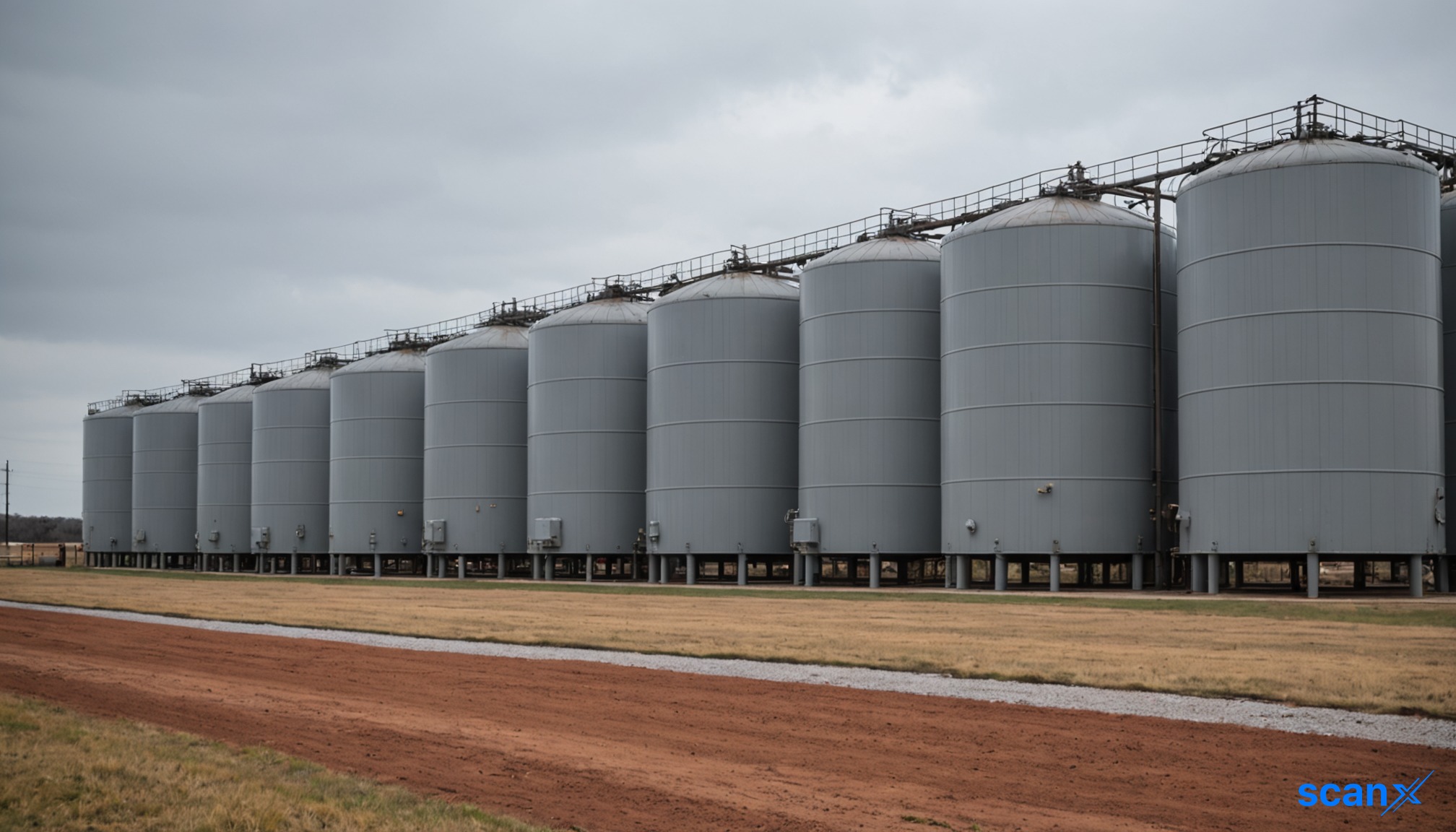
*this image is generated using AI for illustrative purposes only.
Global oil markets tightened as Brent crude advanced 1.26% to $105.93 per barrel, driven by a critical pipeline shutdown in Saudi Arabia and diplomatic setbacks in the Middle East.
Geopolitical Triggers
The price surge coincided with Oman postponing a planned regional meeting with Iran in Salalah. Foreign Minister Badr Albusaidi stated the delay was "in the interests of consensus," though Muscat remains committed to dialogue. This comes as Iran and Oman negotiate joint management of the Strait of Hormuz, a strategic shipping route currently under pressure from regional tensions.
Simultaneously, Houthi forces advanced near Perim Island in the Bab el-Mandeb Strait, threatening Saudi Arabia’s fallback export route after conflicts effectively closed Hormuz. Crown Prince Mohammed bin Salman reportedly requested military assistance from President Donald Trump against the Houthis, though Trump offered only intelligence support rather than direct strikes.
Supply Constraints and Market Reaction
Saudi Arabia shut down its primary pipeline bypassing the Strait of Hormuz. Traders reported that Riyadh holds only five to seven days of stored oil at its Red Sea port of Yanbu if the pipeline remains offline. WTI crude rose 1.47% to $101.52 per barrel, while natural gas futures climbed 1.87% to $2.884 per MMBtu.
Equity markets reacted negatively to the energy supply shock and broader macroeconomic caution ahead of the Federal Reserve meeting.
| Market | Change | Level |
|---|---|---|
| Nasdaq 100 futures | -1.27% | 29,307.50 |
| S&P 500 futures | -0.47% | 7,690.75 |
| Dow futures | -0.08% | 52,962 |
Asian markets also declined, with South Korea’s KOSPI down 3.33% to 6,679.87 and Japan’s Nikkei 225 falling 1.15% to 63,274.01. The U.S. dollar index held steady at $99.179, up 0.09%.
What the Numbers Show
The divergence between equity performance and commodity prices highlights shifting risk preferences. While Dow futures showed minimal decline (-0.08%), Nasdaq 100 futures fell sharply (-1.27%), indicating that investors are disproportionately penalizing growth and tech sectors amid rising energy costs and AI-related jitters. The simultaneous rise in oil prices and fall in tech-heavy indices suggests capital is rotating away from rate-sensitive growth assets toward energy exposure or cash as geopolitical uncertainty rises.

How might the Federal Reserve adjust its interest rate policy if Brent crude remains above $105, given the inflationary pressure on energy costs?
What are the potential long-term implications for global supply chains if the Bab el-Mandeb Strait becomes a sustained chokepoint for oil exports?
Could the U.S. decision to provide only intelligence support rather than direct military strikes encourage further Houthi aggression in the Red Sea?
 20
20









 Create Custom Screeners
  Access 200+ Pre-built Filters
  Use 50+ Readymade Screener





