

US gas prices jump 13 cents to three-month high on Iran tensions


- National average gas prices rose 13 cents to a three-month high
- Crude oil returned to $100/barrel range due to Strait of Hormuz volatility
- Gasoline demand fell to 8.55 million bpd; production dropped to 9.3 million bpd
- Diesel crack spread reached record $102/bbl in August

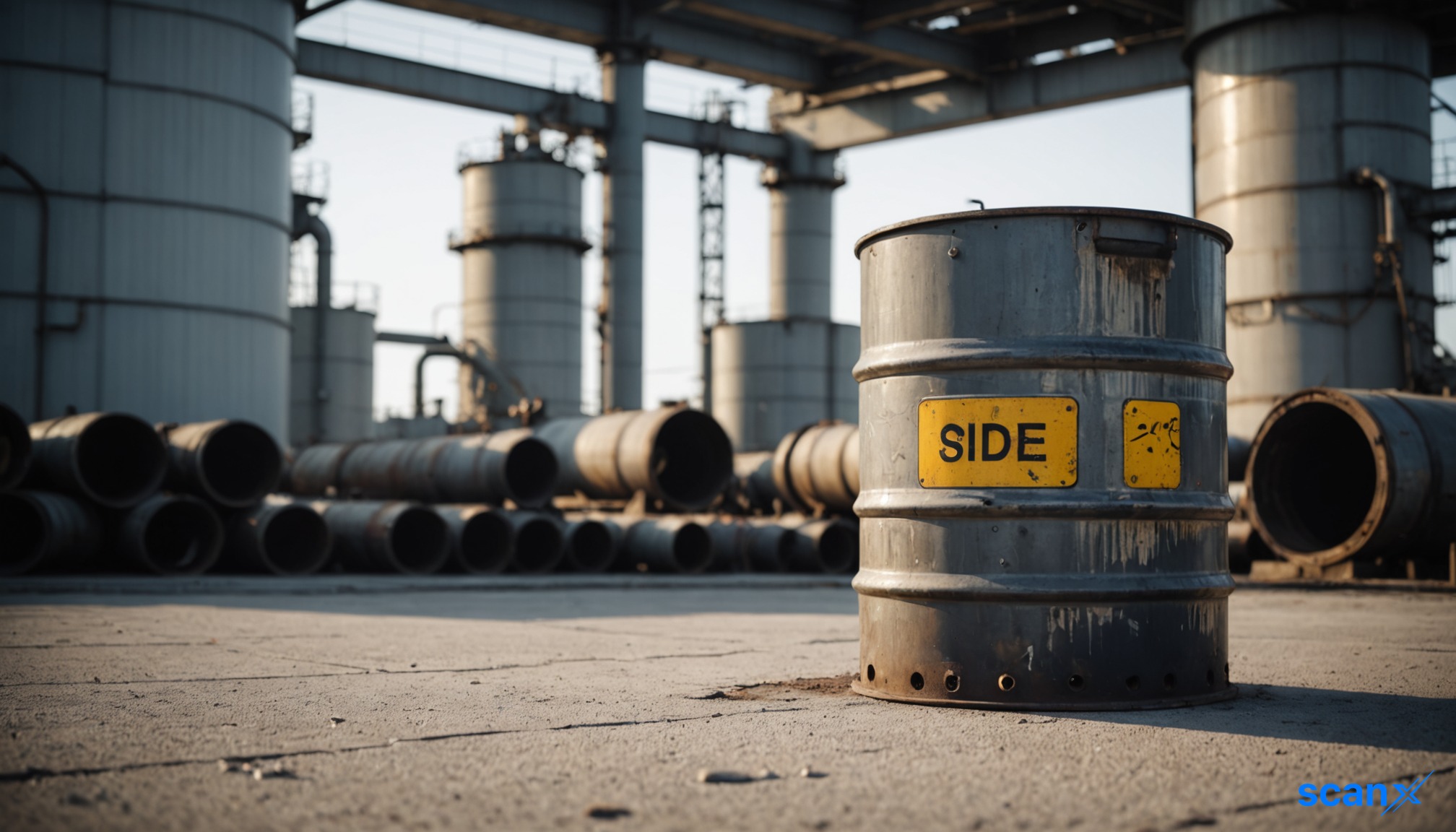

*this image is generated using AI for illustrative purposes only.
The national average price of gasoline in the US rose by 13 cents in a week, reaching a three-month high. The American Automobile Association (AAA) attributed the increase to volatility in the Strait of Hormuz, which pushed crude oil back into the $100 per barrel range for the first time since July.
Supply and Demand Dynamics
Data from the Energy Information Administration (EIA) showed a contraction in both demand and production last week. Gasoline demand decreased from 8.92 million barrels per day to 8.55 million barrels per day. Simultaneously, gas production fell from 9.8 million barrels per day to 9.3 million barrels per day.
Geopolitical Escalation
Tensions between Washington and Tehran have intensified. Senior Iranian officials reportedly view escalation as key leverage against the US. The Islamic Revolutionary Guard Corps (IRGC) claimed it struck two US vessels and eight oil tankers in the Strait of Hormuz, a claim denied by US Central Command.
Additionally, Iran-backed Houthis have taken control of the port city of Mocha and may have struck Saudi Arabia’s East-West pipeline, which has a capacity of 7 million barrels per day.
Political Reactions
President Donald Trump criticized Democrats at the Midterm Convention in Dallas, stating that a Democratic victory would "destroy Texas oil and gas" and increase taxes. Texas accounts for over 42% of total domestic crude oil production, according to the EIA. Energy Secretary Chris Wright previously noted that oil production in the Permian Basin had quadrupled.
Senator Elizabeth Warren criticized Trump over rising energy costs. Meanwhile, diesel prices in parts of California reached $9.999 per gallon, with the diesel crack spread hitting an all-time high of $102/bbl in August.

How might the potential disruption of Saudi Arabia's East-West pipeline impact global crude oil supply chains and Brent crude prices in the coming quarter?
What is the likelihood of the US Strategic Petroleum Reserve being tapped to mitigate domestic gasoline price spikes if Strait of Hormuz tensions escalate further?
Could the political rhetoric surrounding Texas oil production influence upcoming federal energy policies or regulatory approvals for new drilling permits?
 18
18






 Access 50+ Readymade Screeners
  Use 200+ Custom Filters
  Get Full Market Insights





