

Saudi oil output plunges 23% in August to lowest since 1990


- Saudi oil production fell 23% in August to 6.24 million barrels a day
- Output hit lowest level since 1990 due to Iran war and Houthi threats
- OPEC+ average output rose slightly to 38.05 million BPD in August 2026
- Global demand growth forecast cut to 380,000 BPD from 580,000 BPD

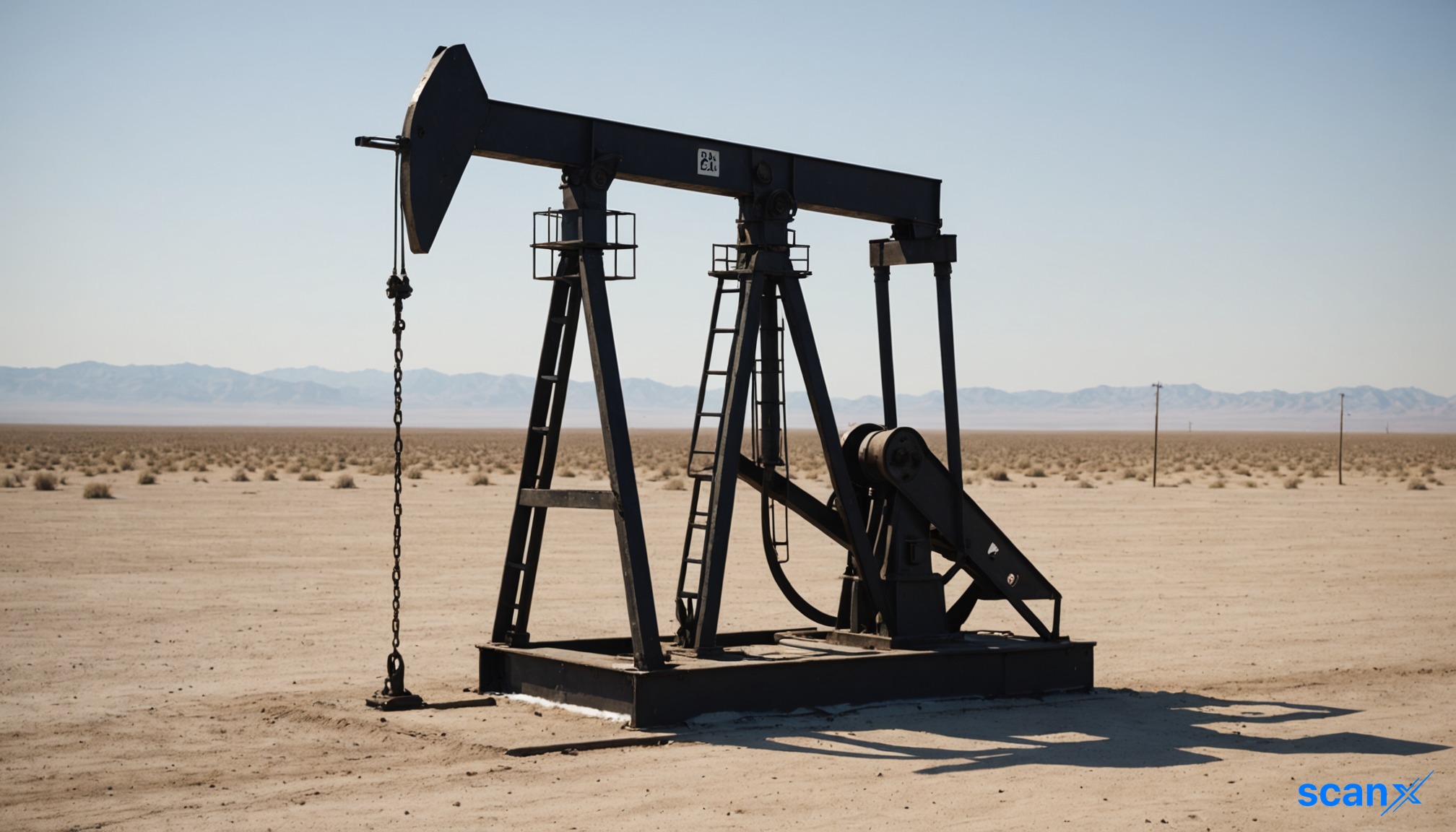

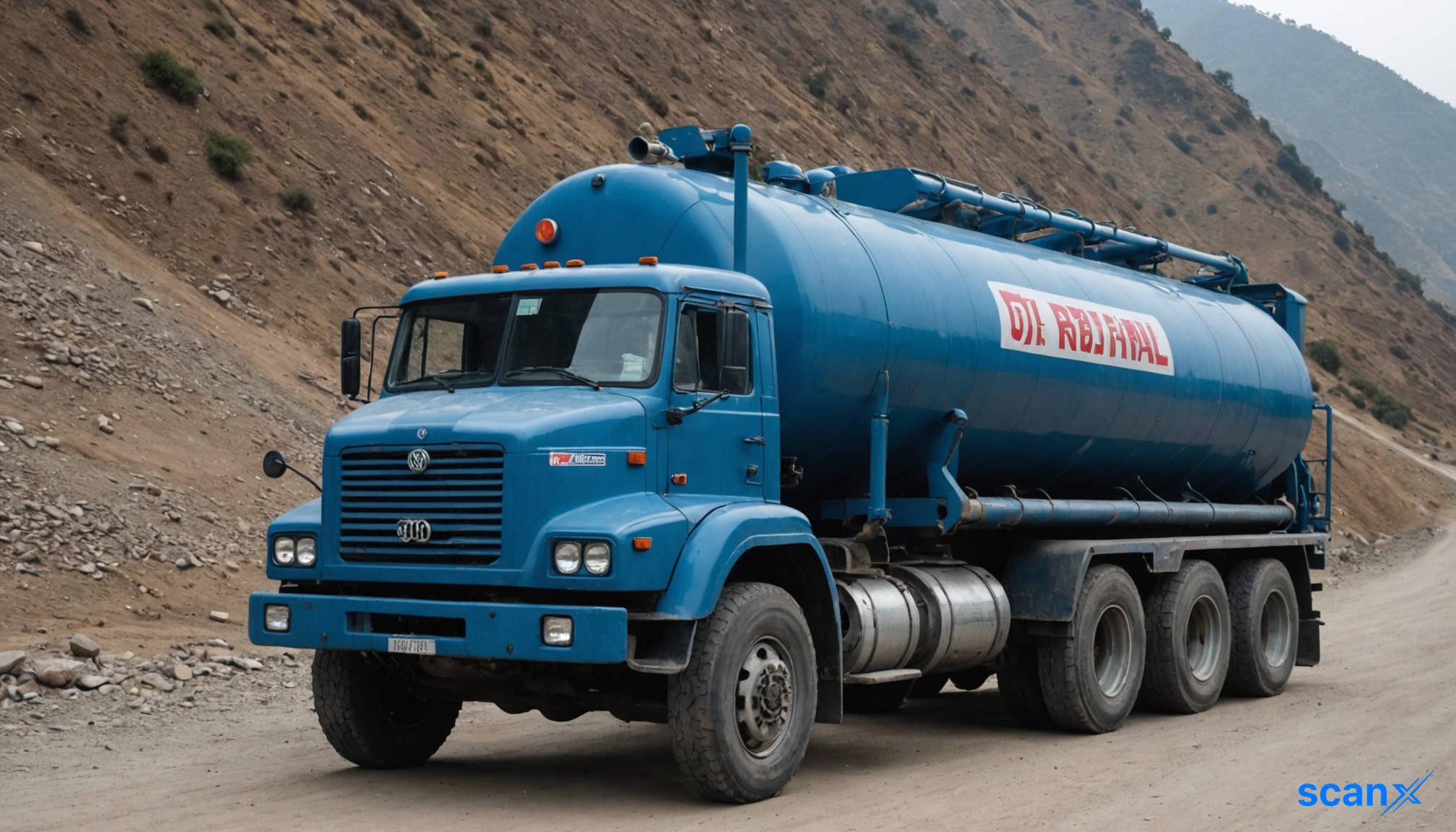
*this image is generated using AI for illustrative purposes only.
Saudi Arabia’s crude oil production plunged 23% in August to 6.24 million barrels a day, marking its lowest level since 1990. The sharp decline was driven by the Iran war and Houthi threats disrupting key export routes.
The kingdom informed the Organization of the Petroleum Exporting Countries (OPEC) of this severe contraction. This disclosure highlights the magnitude of the supply drawdown from the cartel's de facto leader relative to historical benchmarks.
OPEC+ Output and Demand
While Saudi output contracted significantly, broader cartel activity showed slight movement. OPEC+ crude output, including former member UAE, averaged 38.05 million BPD in August 2026. This represents an increase of about 300,000 BPD from July cuts in 2026.
Global oil demand growth forecasts have also been revised downward. The forecast is now set at 380,000 barrels per day, down from the previous forecast of 580,000 BPD.
| Metric | Value | Change / Context |
|---|---|---|
| Saudi Oil Production (Aug) | 6.24 million BPD | Down 23% |
| OPEC+ Avg Output (Aug 2026) | 38.05 million BPD | Up ~300,000 BPD from July |
| Global Demand Growth Forecast | 380,000 BPD | Down from 580,000 BPD |
Market Implications
Such a significant reduction in output from a major global supplier typically exerts upward pressure on crude prices, assuming demand remains stable. The move aligns with broader efforts to manage supply levels within the OPEC framework amidst geopolitical disruptions.
What the Numbers Show
The divergence between Saudi Arabia’s historic production lows and the slight increase in overall OPEC+ output suggests other members may be offsetting Riyadh’s cuts. Additionally, the sharp downward revision in global demand growth forecasts—from 580,000 BPD to 380,000 BPD—provides context for why supply management remains critical despite the aggregate output rise.

How might other OPEC+ members adjust their production quotas to compensate for Saudi Arabia's historic output decline?
What is the projected impact on global crude oil prices if geopolitical disruptions in the Strait of Hormuz persist beyond August?
Could the downward revision in global demand growth signal a broader economic slowdown that further pressures oil markets?
 16
16







 Access 50+ Readymade Screeners
  Use 200+ Custom Filters
  Get Full Market Insights





