

Austin says US Navy could open Hormuz but needs global help


Former Defense Secretary Lloyd Austin stated the US Navy could reopen the Strait of Hormuz but warned that maintaining it would require a costly international effort. The closure of the waterway since March has restricted a significant portion of global oil supply, pushing US gasoline prices to an average of $4.16 and elevating crude oil benchmarks. Austin emphasized the need for a ceasefire to facilitate negotiations and restore the flow of energy through the critical strait.



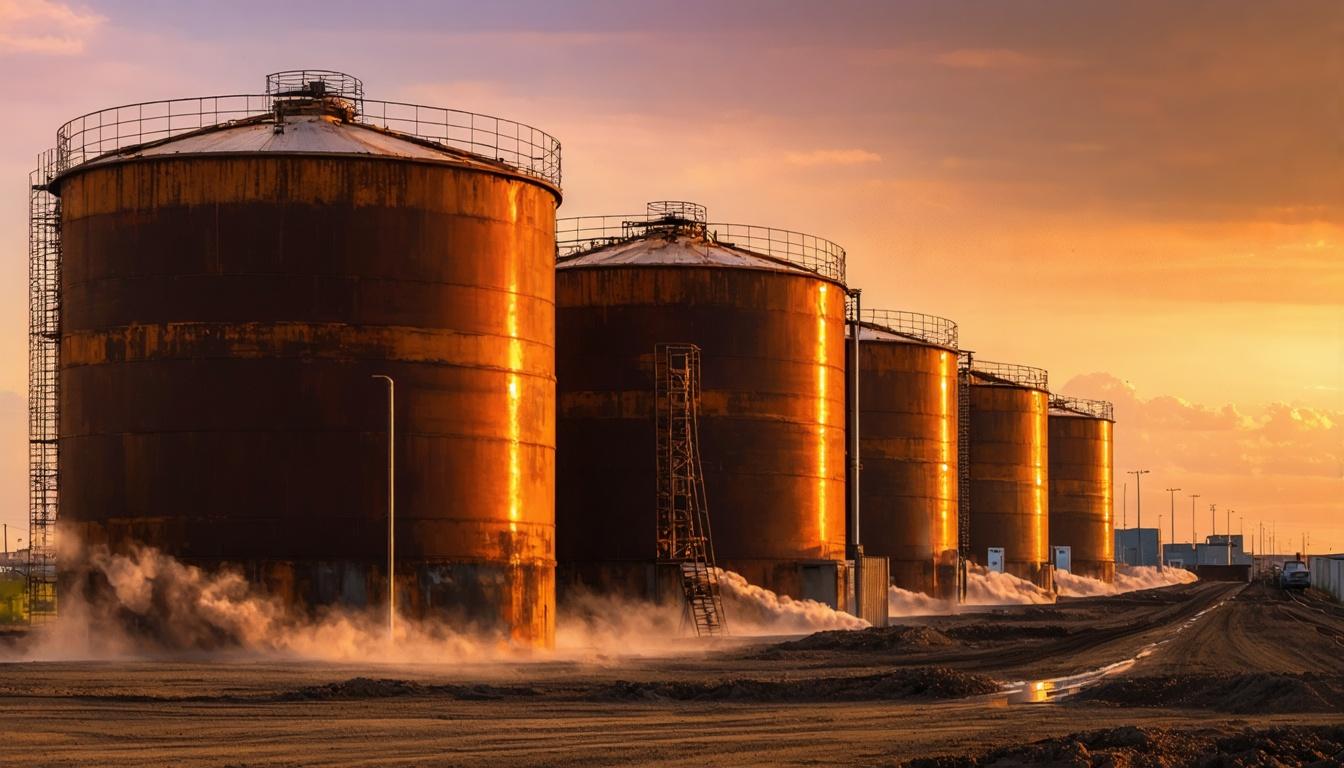
*this image is generated using AI for illustrative purposes only.
Former Defense Secretary Lloyd Austin stated Monday that the US Navy could reopen the Strait of Hormuz but warned that keeping the critical oil route open would require a costly international effort. Austin, who served under former President Joe Biden, made the remarks at the HSBC Gulf Cooperation Council Exchanges Conference in London. He emphasized that freedom of navigation is vital not just for the United States but for the entire globe.
International support required
Austin noted that while the US Navy possesses the capability to open the strait, sustaining that operation over a long period would be expensive. He called for an international coalition to share the burden if such an operation becomes necessary. The comments come as President Donald Trump has criticized foreign governments, including South Korea, Japan, and Germany, for not doing more to assist in reopening the waterway.
Impact on energy markets
The Strait of Hormuz has been largely closed to commercial traffic since March, significantly restricting oil and fuel shipments from the Middle East. Under normal conditions, the waterway facilitates approximately one-fifth of global oil and petroleum-product consumption, according to the US Energy Information Administration. The disruption has shaken shipping markets and contributed to rising fuel costs across the United States.
Current fuel and oil prices
The ongoing tension has pushed energy prices higher. The national average for regular gasoline was listed at about $4.16 on Tuesday, while drivers in California paid more than $5 per gallon. Oil prices also remained elevated, with West Texas Intermediate (WTI) crude trading at $88.2 per barrel and Brent crude oil falling 0.32% to $91.16 per barrel.
| Metric | Value |
|---|---|
| US Regular Gasoline Average | $4.16 |
| California Gasoline Price | >$5.00 |
| WTI Crude Oil | $88.20/barrel |
| Brent Crude Oil | $91.16/barrel |
Diplomatic outlook
Austin, now a national security consultant, expressed hope that a ceasefire would hold long enough to allow negotiations to progress. He stated that reopening the strait is crucial for the global economy and that the sooner negotiations can be completed, the better. The situation remains fluid as military and diplomatic responses continue to evolve.

How will the rising fuel costs impact US inflation and consumer spending in the coming months?
What specific diplomatic incentives could the US offer to secure the necessary international coalition for a naval operation?
If the closure persists through the summer, what is the likelihood of a global economic recession?
 17
17













 Create Custom Screeners
  Access 200+ Pre-built Filters
  Use 50+ Readymade Screener





