Budget 2026-27: ₹10,000 Crore Biopharma Shakti Program Boosts Pharma Stocks

1 min read     Updated on 01 Feb 2026, 11:15 AM
scanx
Reviewed by
Radhika SScanX News Team
Overview

Finance Minister Nirmala Sitharaman announced the ₹10,000 crore Biopharma Shakti program during Budget 2026-27, spanning 5 years to develop India as a biopharma manufacturing hub. The announcement triggered positive market response with Biocon gaining 3% and other pharma stocks rising 1-2%, reflecting investor confidence in the government's strategic commitment to biologics and biopharmaceutical innovation.

31470307

*this image is generated using AI for illustrative purposes only.

Finance Minister Nirmala Sitharaman announced the Biopharma Shakti program with an allocation of ₹10,000 crore during Budget 2026-27 presentation. The announcement triggered immediate positive market reaction among pharmaceutical stocks, with Biocon gaining 3% and other pharma stocks rising 1-2%.

Budget Allocation Framework

FM Sitharaman made the announcement during her ninth consecutive Budget speech on February 1 on the floor of the Lok Sabha. The Biopharma Shakti program represents a strategic government initiative to strengthen India's biopharmaceutical capabilities over the next 5 years.

Parameter: Details
Total Allocation: ₹10,000 crore
Duration: 5 years
Announcement Date: February 1
Initiative Name: Biopharma Shakti
Budget Year: 2026-27

Market Response

The announcement generated immediate positive sentiment in the pharmaceutical sector. Market data shows Biocon shares gained 3% following the Budget announcement, while other pharmaceutical stocks recorded gains of 1-2%, reflecting investor confidence in the government's commitment to the biopharma sector.

Government's Strategic Vision

FM Sitharaman emphasized that biologics are key to longevity and outlined the government's plan to develop India as a biopharma manufacturing hub. The initiative will focus on establishing a biopharma-focused network to enhance the sector's infrastructure and capabilities.

The Biopharma Shakti program forms part of the broader Union Budget 2026-27 framework, demonstrating the government's commitment to positioning India as a global leader in biopharmaceutical manufacturing and innovation. This multi-year funding approach provides industry stakeholders with long-term visibility for planning investments and expansion activities.

like20
dislike

Union Budget 2026-27 Raises Infrastructure Capex 8.9% To ₹12.2 Trillion For FY27

2 min read     Updated on 01 Feb 2026, 11:14 AM
scanx
Reviewed by
Radhika SScanX News Team
Overview

Finance Minister Nirmala Sitharaman announced Union Budget 2026-27 with infrastructure capital expenditure increased by 8.9% to ₹12.2 trillion for FY27. The budget emphasizes development of seven high-speed rail corridors connecting major cities, 20 new waterways over five years, and ₹5,000 crore allocation per City Economic Region for Tier II and Tier III cities development.

31470248

*this image is generated using AI for illustrative purposes only.

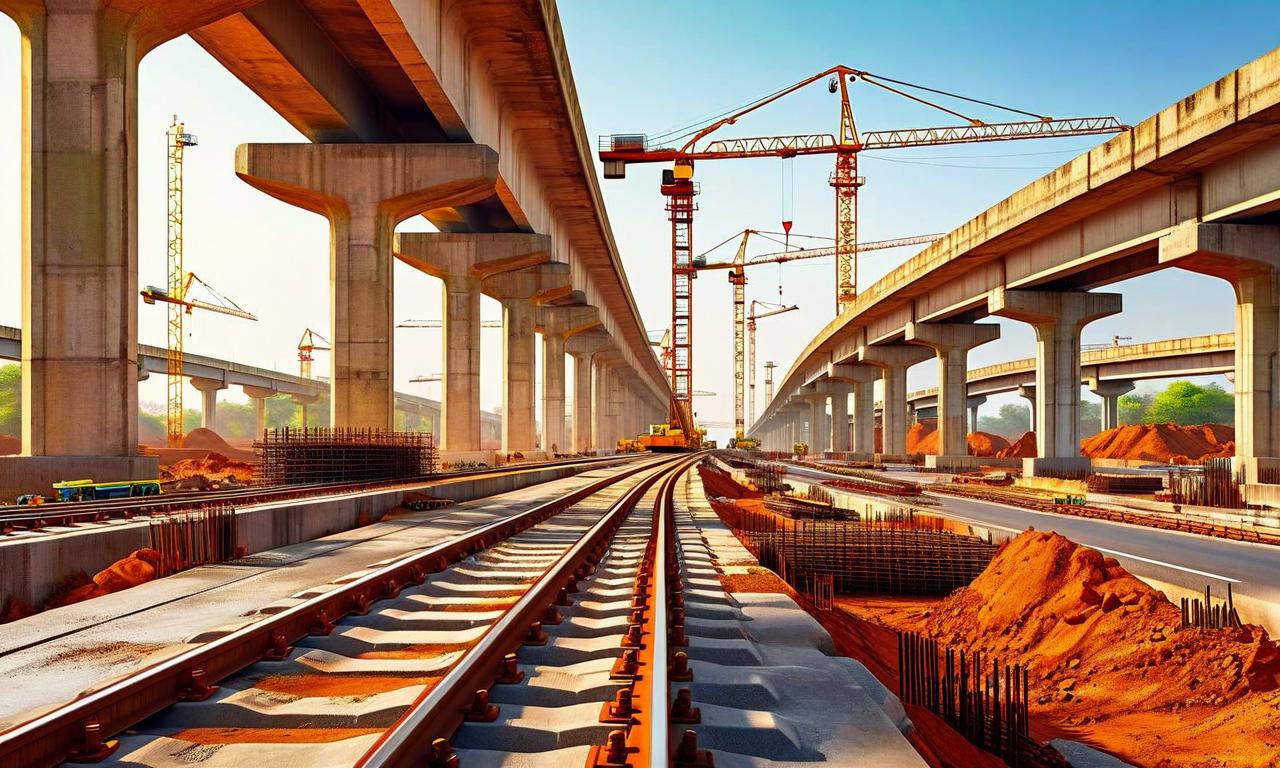
Finance Minister Nirmala Sitharaman announced a significant boost to India's infrastructure development in Union Budget 2026-27, increasing infrastructure capital expenditure by 8.9% to ₹12.2 trillion for FY27. This represents a substantial increase from the ₹11.2 trillion allocated in FY26, underlining the government's sustained commitment to building urban and logistics infrastructure across India's growing cities with emphasis on freight corridors, high-speed rail, waterways, ports, and Tier II/III cities.

Infrastructure Investment Growth Trajectory

The Finance Minister highlighted the remarkable growth in public capital expenditure over the past decade, noting that it has "increased manifold, from ₹2 trillion in 2014-15 to an allocation of ₹11.2 trillion in BE 2025-26." The proposed increase seeks to "continue this momentum" through expanded infrastructure financing mechanisms.

Investment Period: Amount (₹ Trillion) Growth Details
FY 2014-15: 2.00 Base year
FY 2025-26: 11.20 Budget allocation
FY 2026-27: 12.20 8.9% increase

Over the past decade, the government has expanded the infrastructure financing ecosystem through new instruments including Infrastructure Investment Trusts (InvITs), Real Estate Investment Trusts (REITs), and institutions like the National Investment and Infrastructure Fund (NIIF) and NaBFID.

High-Speed Rail Network Expansion

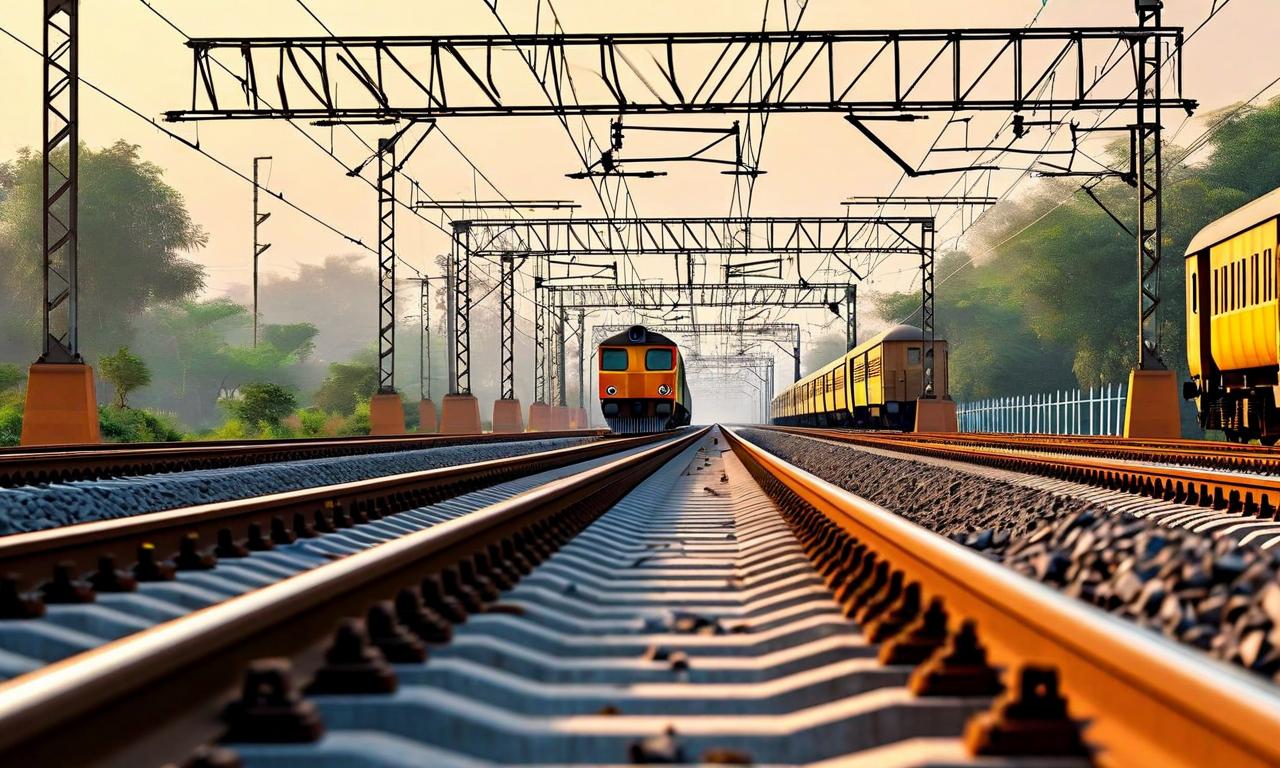
The Finance Minister announced the development of seven high-speed rail corridors as growth connectors to promote sustainable passenger mobility and regional integration:

High-Speed Rail Routes: Details
Mumbai–Pune: Western corridor
Pune–Hyderabad: Deccan connectivity
Hyderabad–Bengaluru: South India link
Hyderabad–Chennai: Eastern connectivity
Chennai–Bengaluru: Tamil Nadu-Karnataka link
Delhi–Varanasi: Northern corridor
Varanasi–Siliguri: Eastern extension

Focus on Tier II and Tier III Cities

Sitharaman emphasized a decisive shift toward urban growth centers beyond metros, stating: "We shall continue to focus on developing infrastructure in cities with populations of over five lakh—that is, Tier II and Tier III cities—which have expanded to become important growth centres." The Budget introduced the concept of City Economic Regions (CERs), reinforcing cities as growth engines.

CER Initiative: Details
Allocation per CER: ₹5,000 crore over five years
Target Cities: Tier II, Tier III cities and temple towns
Financing Model: Challenge-based, reform-linked

Freight Corridors and Waterways Development

The Budget places major emphasis on greening freight movement and easing logistics bottlenecks through several key initiatives. New freight corridors include the east-west corridor connecting Dankuni in West Bengal to Surat in Gujarat, focusing on environmentally sustainable cargo transport.

Waterways Initiative: Details
New Waterways: 20 over five years
First Project: National Waterway-5, Odisha
Key Connections: Talcher-Angul to Kalinga Nagar, Paradip, Dhamra
Supporting Infrastructure: Regional training institutes, ship repair ecosystem

The ambitious goal is to raise the share of inland waterways and coastal shipping from the current 6% to 12% by 2047, alongside converting rail-based freight to road and water-based logistics over time.

Infrastructure Risk Guarantee Fund

To address long-standing concerns of lenders and developers during infrastructure project construction phases, the Budget proposed establishing an Infrastructure Risk Guarantee Fund. "To strengthen the confidence of private developers regarding risks during infrastructure development and construction phases, I propose to set up an Infrastructure Risk Guarantee Fund," the Finance Minister announced, adding that it would provide prudentially calibrated partial credit guarantees to lenders.

like15
dislike

More News on Union Budget 2026-27