Government Reportedly Considering Changes to Third Party Motor Insurance Premium Rules in Budget 2026

0 min read     Updated on 30 Jan 2026, 01:24 PM
scanx
Reviewed by
Radhika SScanX News Team
Overview

Government is reportedly considering changes to third party motor insurance premium rules in Budget 2026. These potential modifications could impact the current regulatory framework for mandatory vehicle insurance. The proposed changes may affect how premiums are structured and calculated for motor insurance policies nationwide.

31305247

*this image is generated using AI for illustrative purposes only.

The government is reportedly considering modifications to third party motor insurance premium regulations as part of the upcoming Budget 2026. These potential changes could significantly impact the current regulatory framework governing mandatory motor vehicle insurance.

Potential Policy Revision

Third party motor insurance, which is mandatory for all vehicle owners in India, may see changes in its premium structure. The current system requires all vehicle owners to maintain valid third party insurance coverage, and any modifications to the premium rules could affect millions of policyholders nationwide.

Impact on Vehicle Owners

The proposed changes, if implemented, would alter how third party insurance premiums are calculated and structured. Vehicle owners across different categories may experience varying impacts depending on the specific nature of the regulatory modifications being considered.

Budget 2026 Considerations

The timing of these potential changes aligns with the government's broader policy review process typically undertaken during budget preparations. The insurance sector has been subject to various regulatory updates in recent years, and these proposed modifications would continue that trend of policy refinement.

like16
dislike

Government Plans ₹12,511 Crore SPV for Home-Grown Regional Transport Aircraft Development

2 min read     Updated on 21 Jan 2026, 12:15 PM
scanx
Reviewed by
Jubin VScanX News Team
Overview

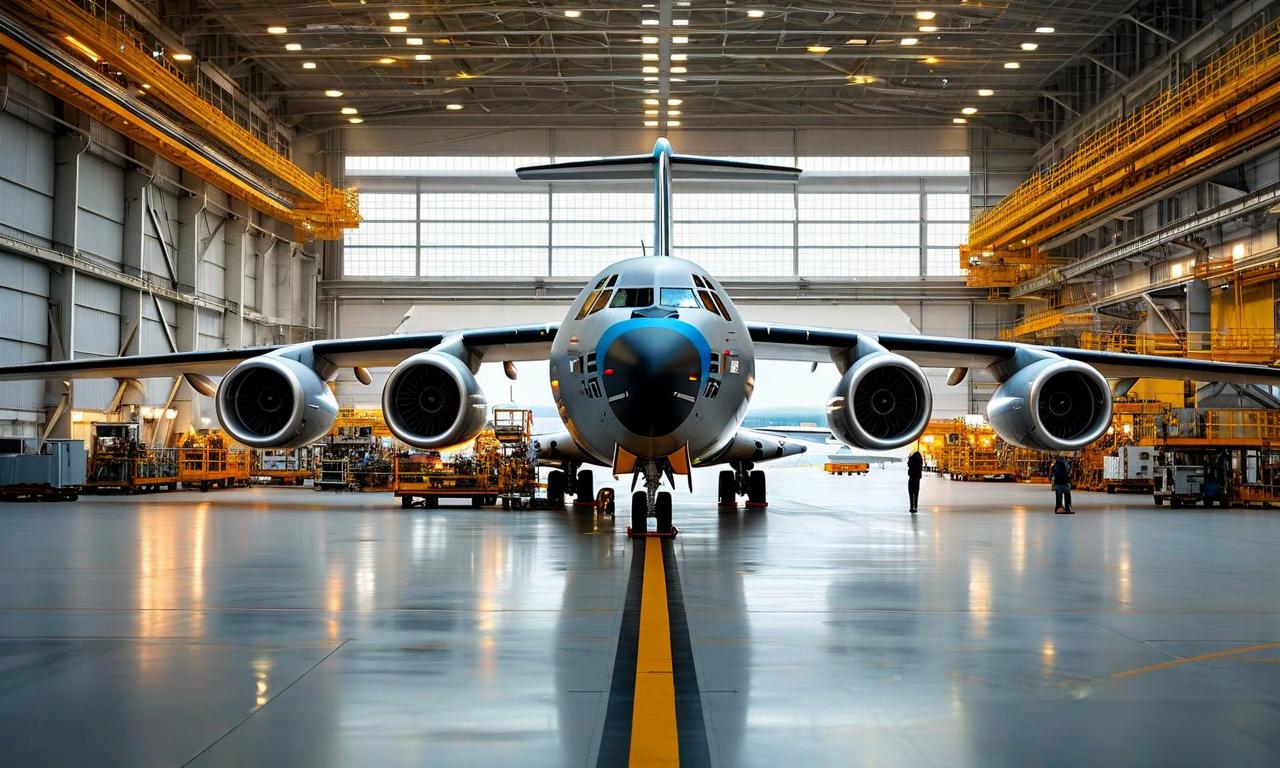
The Indian government plans to establish a ₹12,511 crore special purpose vehicle for regional transport aircraft development, with certification costs of ₹2,507 crore representing the largest expense. The project includes ₹750 crore for international partnership support and ₹1,000 crore for systems indigenisation, emphasizing domestic manufacturing capability development alongside global technical standards compliance.

30523526

*this image is generated using AI for illustrative purposes only.

The Indian government is preparing to commit approximately ₹12,511 crore towards establishing a special purpose vehicle (SPV) for developing a regional transport aircraft, according to government sources. The proposal emphasizes certification, testing, and infrastructure development rather than focusing solely on design aspects, reflecting the complex requirements of civil aircraft manufacturing.

Project Structure and SPV Framework

The SPV is designed as a dedicated entity that will integrate government support, technical partners, and industry participants to advance the regional transport aircraft project. While the government has indicated it is "in the process" of setting up the SPV, formal launch is still pending. The vehicle will serve as the primary platform for coordinating funding, partnerships, and execution to avoid fragmenting responsibility across multiple agencies.

Component Details
Total Project Cost ₹12,511 crore
SPV Purpose Coordinate design to production
International Partner Budget ₹750 crore
Project Status Under detailed examination

Budget Allocation and Cost Structure

The financial breakdown reveals certification as the single largest expense, highlighting the technical complexity of aircraft development. The cost structure demonstrates the government's commitment to meeting international aviation standards and building domestic manufacturing capabilities.

Expense Category Allocation (₹ Crore)
Aircraft Certification 2,507.00
Infrastructure Facilities 1,981.00
Ground Testing Prototypes 1,873.00
Systems Indigenisation 1,000.00
Administrative Expenses 680.00
Documentation & Publication 465.00
Flight Testing Prototypes 291.00
Materials & Components 240.00
Prototype Tooling 133.00

International Partnership and Technical Support

The proposal allocates ₹750 crore for engaging an international knowledge partner to provide expertise in design, certification, and flight testing consultancy. This partnership will focus on FAR-25 design support and flight testing requirements, which are essential for commercial aircraft certification under US Federal Aviation Regulations. The collaboration aims to combine domestic development capabilities with specialized external technical support for safety approvals and testing procedures.

Certification Requirements and Testing Framework

Certification costs of ₹2,507 crore represent the project's largest single expense, involving comprehensive safety validation processes. The certification process requires thousands of testing hours, detailed documentation, simulations, and real-world trials to prove aircraft safety under various operational conditions. Ground testing encompasses structural tests, fatigue assessments, and system integration checks, while flight testing involves prototype performance evaluation for safety and reliability validation.

Risk Management and Contingency Planning

The proposal includes a contingency allocation of approximately ₹480 crore, representing around 5.00% of the total project cost. Administrative and establishment expenditure is estimated at ₹680 crore, calculated at approximately 6.00% of costs excluding contingency and specific consultancy components. The plan also designates ₹1,000 crore for systems indigenisation, emphasizing the development of domestic capabilities in aircraft component manufacturing.

Source: https://www.moneycontrol.com/news/business/economy/govt-likely-to-allocate-rs-12-511-crore-to-spv-for-home-grown-transport-aircraft-13782952.html

like15
dislike

More News on