
 NewsGovernment Revises Jute Stock Holding Limits: Increases Caps for Mills, Reduces Limits for Traders and Balers
Government Revises Jute Stock Holding Limits: Increases Caps for Mills, Reduces Limits for Traders and Balers


The government has revised jute stock holding limits, increasing caps for mills while reducing limits for traders and balers. This differentiated approach provides manufacturing units with greater inventory flexibility while restricting intermediary stockpiling. The policy adjustment represents a strategic shift in regulating the textiles sector's jute segment, optimizing stock distribution across the supply chain.

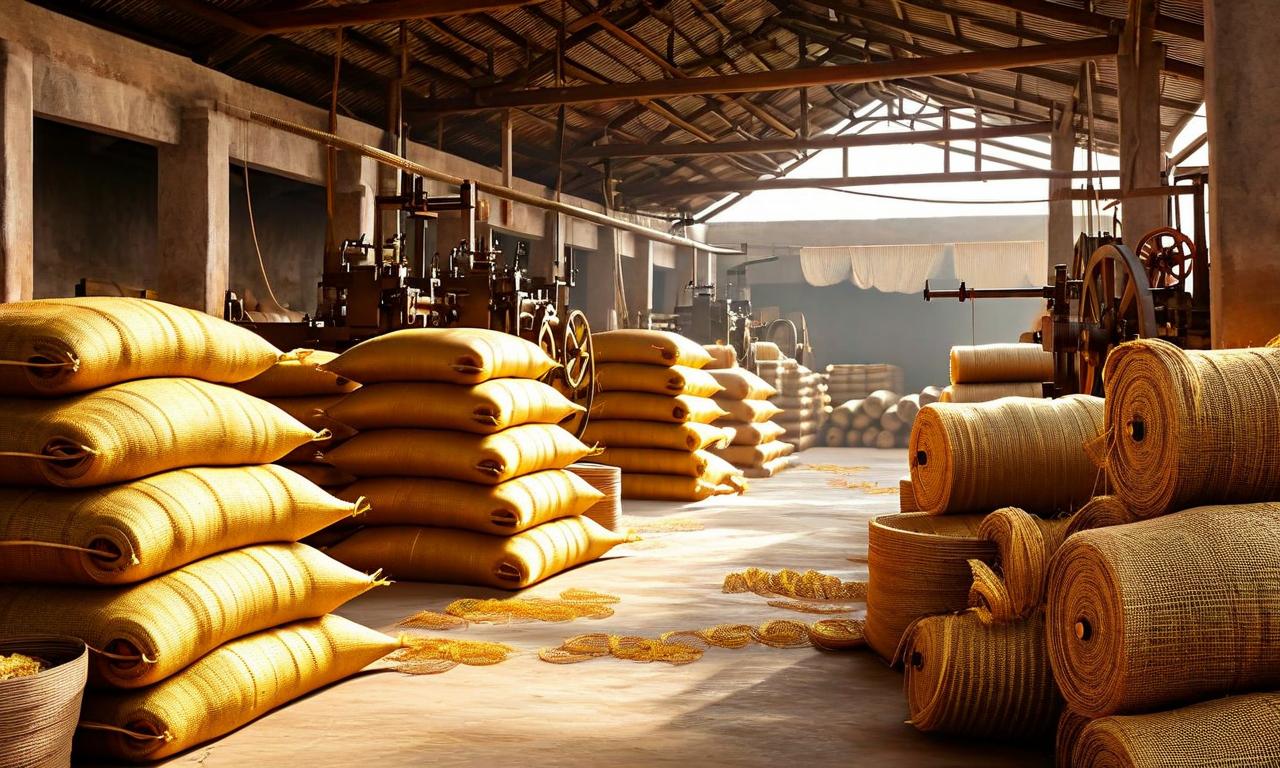

*this image is generated using AI for illustrative purposes only.
The government has announced significant revisions to stock holding limits within the jute sector, implementing a differentiated approach for various market participants. The policy changes represent a strategic shift in how inventory caps are managed across the textiles industry's jute segment.
Policy Changes for Different Market Segments
Under the revised framework, jute mills will benefit from increased stock holding limits, providing these manufacturing units with greater flexibility in managing their raw material inventories. This adjustment recognizes the operational requirements of mills that need adequate stock levels to maintain consistent production schedules.
In contrast, the government has implemented reduced stock holding caps for traders and balers. This reduction suggests a regulatory approach aimed at preventing excessive stockpiling by intermediaries in the jute supply chain.
Impact on Textiles Sector Operations
The differentiated stock limit structure indicates the government's intention to optimize inventory distribution across various segments of the jute industry. Mills, being the primary processing units, require substantial raw material stocks to ensure uninterrupted production cycles.
Traders and balers, functioning as intermediaries in the supply chain, will need to adjust their inventory management strategies to comply with the reduced limits. This policy framework appears designed to streamline the flow of jute through the supply chain while preventing potential market distortions.
Regulatory Framework Adjustment
These stock limit revisions represent part of the government's ongoing efforts to regulate commodity markets within the textiles sector. The policy distinguishes between different types of market participants based on their role in the value chain, with manufacturing units receiving more favorable treatment compared to trading entities.
The implementation of these revised limits will require market participants to reassess their inventory strategies and ensure compliance with the new regulatory framework governing jute stock holdings.
 17
17















 Access Market Heat-map & Insights
  Create, Save & Share your Screener
  Use 200+ Screening Filters





