

India amends motor vehicle rules: No NOC, fitness renewal or permits if toll dues pending


India has amended the Central Motor Vehicles Rules, 1989, to deny essential vehicle services including NOC, fitness certificates, and permits to vehicles with pending toll dues on National Highways. The changes introduce a new definition of "unpaid user fee" and update Form 28 requirements to include toll compliance declarations. These amendments support the upcoming Multi-Lane Free Flow system for barrier-less tolling and help implement transparent, technology-based toll collection mechanisms.

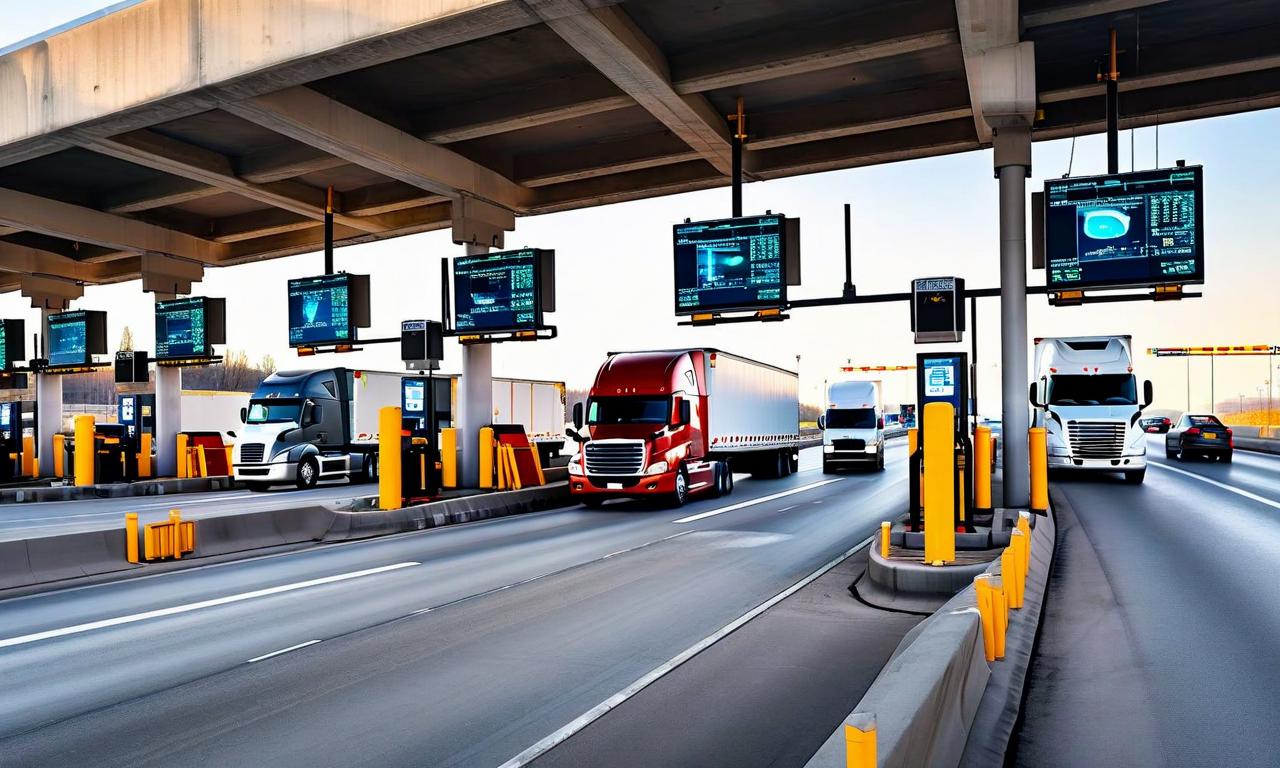

*this image is generated using AI for illustrative purposes only.
The Government of India has strengthened toll compliance mechanisms by amending the Central Motor Vehicles Rules, 1989, through the Central Motor Vehicles (Second Amendment) Rules, 2026. These changes aim to improve user fee compliance, enhance Electronic Toll Collection (ETC) efficiency, and discourage toll evasion on National Highways.
New Definition and Scope
The amendments introduce a comprehensive definition of "unpaid user fee," which refers to toll payable for using a National Highway section where the ETC system has recorded a vehicle's passage, but the fee has not been received as per the National Highways Act, 1956. This definition establishes a clear framework for identifying and tracking toll payment defaults.
Service Restrictions for Defaulters
The amended rules create direct linkages between toll payment compliance and essential vehicle services. Authorities will now deny multiple critical services to vehicles with outstanding toll dues.
| Service Type: | Restriction Details |
|---|---|
| No Objection Certificate (NOC): | Transfer of vehicle ownership or inter-state transfer denied |
| Certificate of Fitness: | Renewal or new issuance blocked |
| National Permit: | Commercial vehicle applications rejected |
Updated Documentation Requirements
Form 28 has been significantly updated to incorporate these compliance measures. The form, which serves as the application for NOC required for transferring vehicle ownership across states or districts, now includes mandatory declarations about pending toll dues.
Key changes to Form 28 include:
- Declaration requirement: Applicants must declare whether any unpaid toll demand is pending against their vehicle
- Detail provision: Relevant details of outstanding dues must be provided
- Electronic issuance: Relevant portions can now be issued electronically through a designated online portal
- Compliance verification: Confirms no pending taxes, challans, or legal issues including toll dues
Technology Integration and Future Systems
The amendments support the upcoming rollout of the Multi-Lane Free Flow (MLFF) system, which will enable barrier-less tolling on National Highways. This technology-based approach represents a significant advancement in toll collection infrastructure, requiring robust compliance mechanisms to ensure revenue collection without physical barriers.
Implementation Timeline
The amendment process followed established consultation procedures. The draft amendments were published on July 11, 2025, through a Gazette Notification to invite stakeholder and public feedback. The draft notification became available on July 14, 2025, allowing for comprehensive review before finalization.
Strategic Impact
The government stated these changes will help the National Highways Authority of India implement transparent, technology-based tolling systems for National Highway network development and maintenance. The amendments create a comprehensive framework linking toll compliance with vehicle registration services, ensuring systematic revenue collection while supporting infrastructure development goals.
 16
16















 Access 50+ Readymade Screeners
  Use 200+ Custom Filters
  Get Full Market Insights





