

SpaceX ends Falcon 9 Starlink launches from Florida, shifts to Starship


- SpaceX ends Falcon 9 Starlink launches from Florida, shifting to Starship
- Falcon 9 continues regular Starlink launches from Vandenberg on the West Coast
- Elon Musk outlines plans for Starbase Louisiana and Von Neumann probe development
- SPCX stock rose 19.88% to $137.95, leading broader space sector gains
- Rocket Lab, AST SpaceMobile, and Firefly Aerospace also posted monthly gains

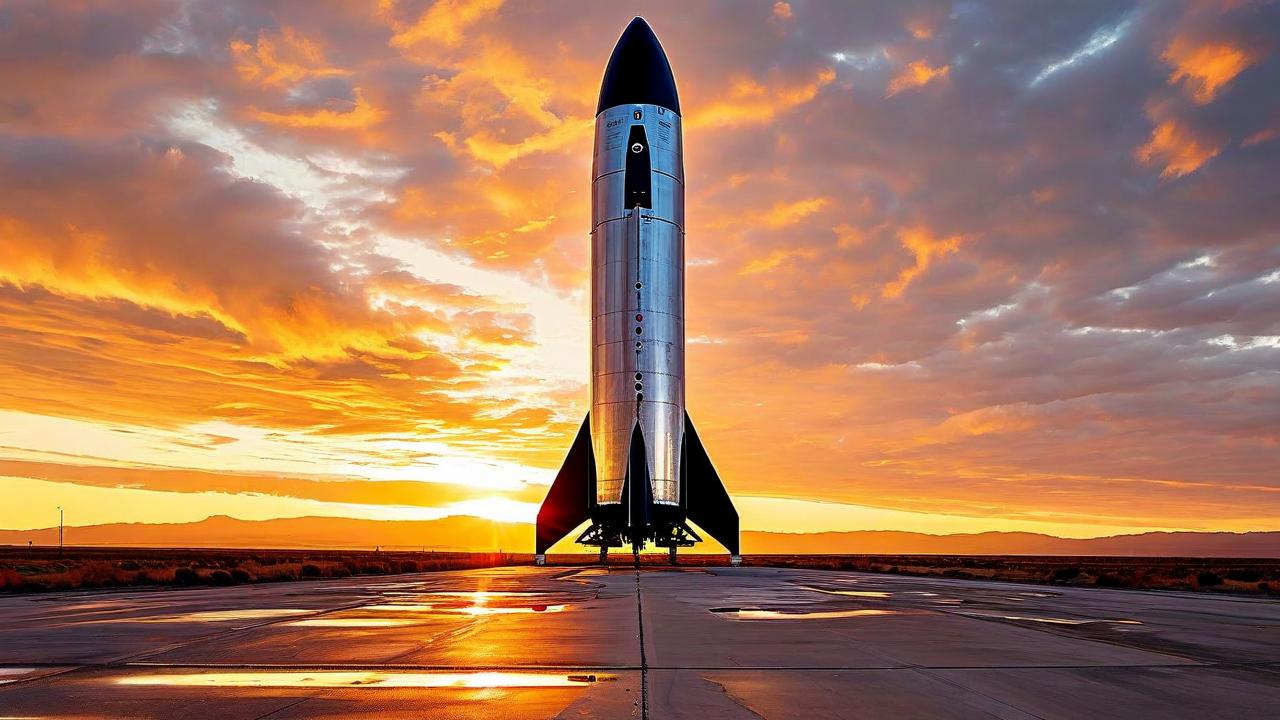

*this image is generated using AI for illustrative purposes only.
Space Exploration Technologies Corp. (NASDAQ: SPCX) has concluded its planned Falcon 9 Starlink missions from Florida, marking a transition to the Starship rocket for East Coast launches.
End of an Era for Falcon 9
Kiko Dontchev, SpaceX’s VP of Launch, confirmed on Tuesday that the mission from pad 40 was the final planned Falcon 9 Starlink launch from Florida. He described the event as the "end of an era" for these specific launches on the East Coast.
Dontchev stated that future Starlink missions out of Florida will fly on Starship. The Falcon 9 launched 29 Starlink satellites to low-Earth orbit from Cape Canaveral Space Force Station on Tuesday, serving as the last of its kind from this location.
Continued Operations at Vandenberg
Despite the shift in Florida, Dontchev noted that the West Coast team will "continue regularly launching Starlink from Vandenberg." He praised the team for making Falcon 9 "the most reliable launch vehicle in history."
Starbase Louisiana and Future Plans
Elon Musk, CEO of SpaceX, reaffirmed predictions regarding galaxy-level expansions while unveiling plans for the Starbase site in Louisiana. Musk predicted that roughly 1 million Optimus units and 1 GW of solar power would aid in creating the first Von Neumann probe, a machine capable of self-replication using local resources on distant planets.
Musk previously stated plans to attempt the first tower catch of Starship’s upper stage during Flight 14 but has since delayed this attempt by several months. The company targets 10,000 annual launches for the Starship rocket by the end of the decade.
Space Stocks Performance
Space stocks have shown growth over the past month. Key movements include:
| Company | Ticker | Monthly Change | Price |
|---|---|---|---|
| Space Exploration Technologies Corp. | SPCX | +19.88% | $137.95 |
| AST SpaceMobile Inc. | ASTS | +10.34% | $62.01 |
| Firefly Aerospace Inc. | FLY | +13.05% | $22.37 |
| Rocket Lab Corporation | RKLB | +4.69% | $67.18 |
SPCX shares grew 19.88% to $137.95 at market close on Tuesday and surged 0.15% during overnight trading to $138.16. AST SpaceMobile Inc. recorded a 10.34% surge, trading at $62.01. Firefly Aerospace Inc. grew 13.05% despite a more than 3.5% decline on Tuesday, trading at $22.37. Rocket Lab Corporation saw a 4.69% surge, trading at $67.18 during overnight trading.
What the Numbers Show
The operational shift from Falcon 9 to Starship for Florida-based Starlink missions coincides with significant market optimism, evidenced by SPCX’s 19.88% monthly gain. This stock performance aligns with broader sector strength, as peers like ASTS and FLY also posted double-digit monthly increases, suggesting investor confidence in the sector’s expansion trajectory despite execution delays like the postponed tower catch attempt.

How will the transition to Starship for Florida launches impact SpaceX's overall launch cadence and Starlink deployment speed compared to the Falcon 9 era?
What are the potential supply chain or manufacturing bottlenecks SpaceX might face in scaling up to its target of 10,000 annual Starship launches by the end of the decade?
Could the delayed tower catch attempt for Starship's upper stage signal broader technical challenges that might affect investor confidence in the company's near-term execution capabilities?
 19















 Create Custom Screeners
 Access 200+ Pre-built Filters
 Use 50+ Readymade Screener





