

Marvell unveils Bravera SC6 and Photonic Fabric for AI memory scaling


Marvell Technology expands its AI memory portfolio with the Bravera SC6 SSD controller and Photonic Fabric optical solutions. These innovations target memory bottlenecks in agentic AI by enabling disaggregated architectures across server, rack, and pod levels. The Bravera SC6 doubles previous generation performance and samples in Q4 2026, while Photonic Fabric enables up to 32TB of warm KV cache offload for up to 2-3x higher token throughput.

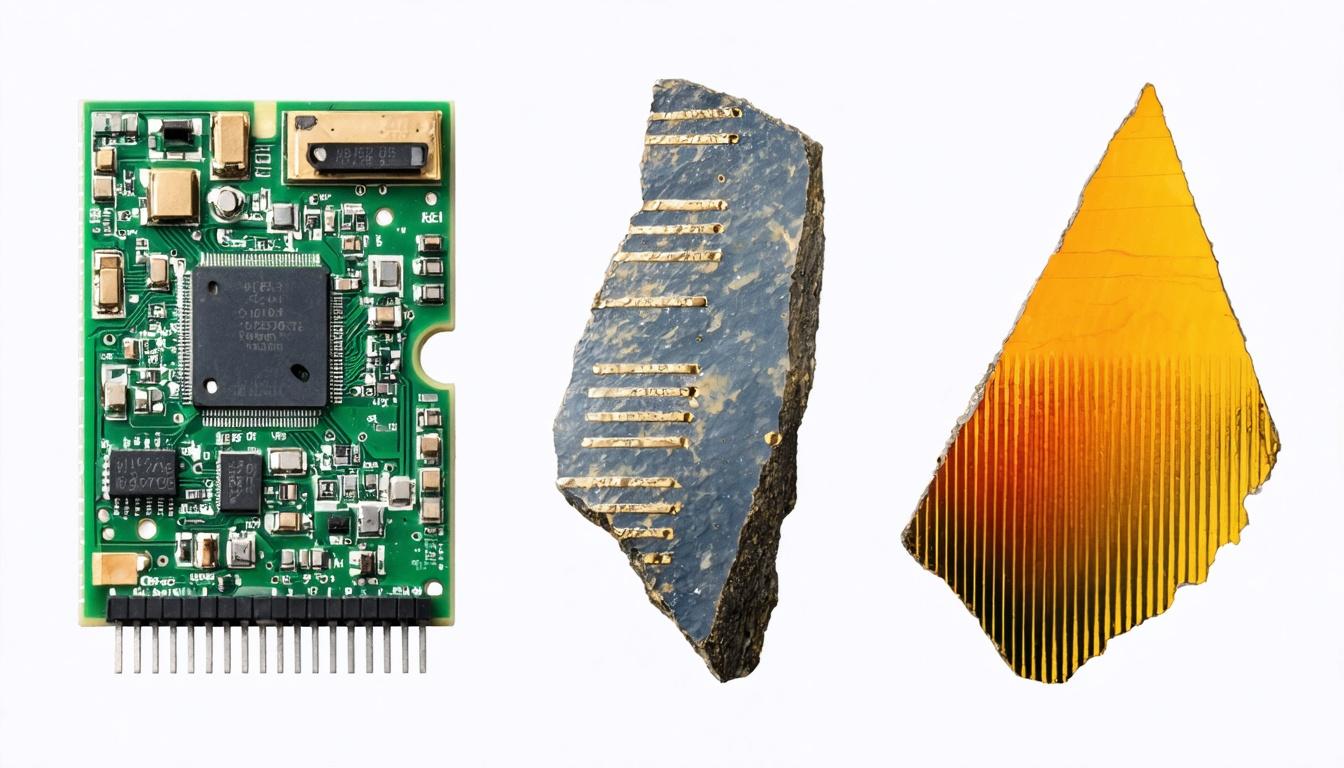

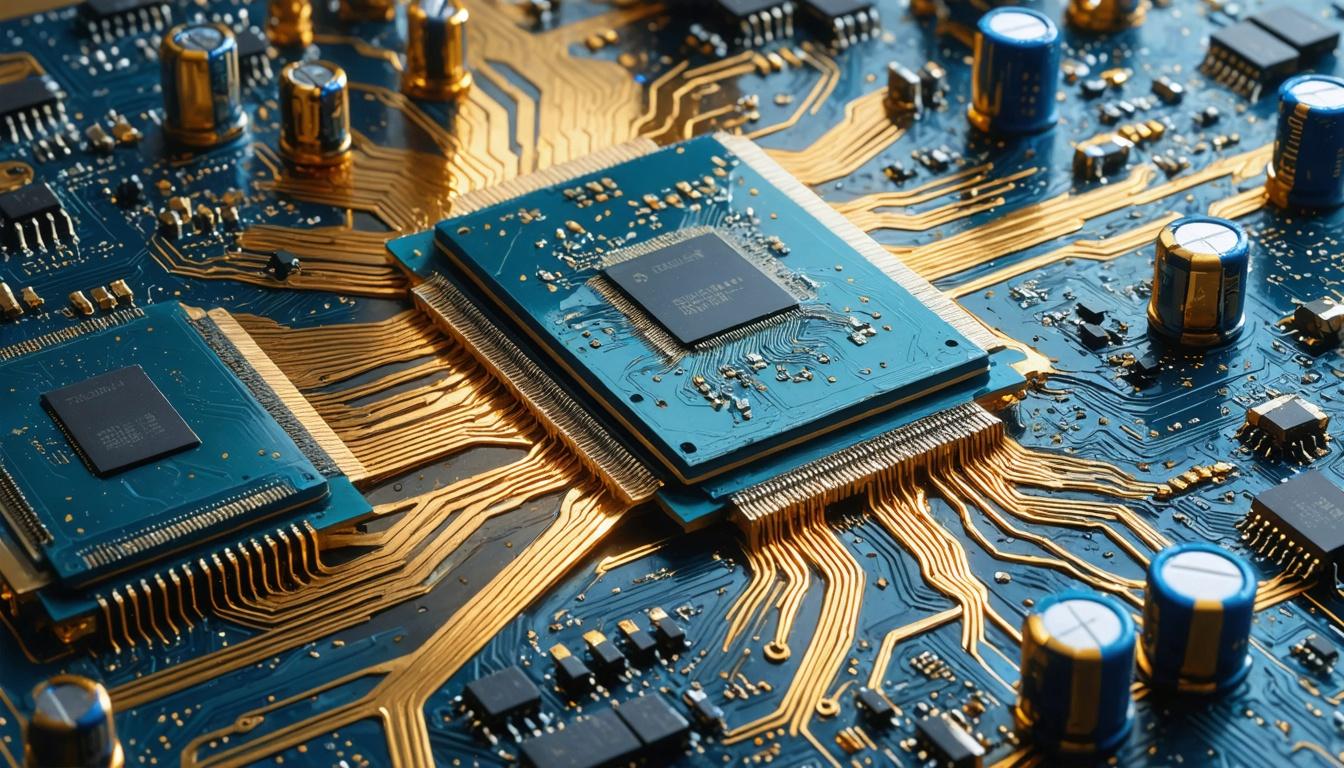
*this image is generated using AI for illustrative purposes only.
Marvell Technology, Inc. (NASDAQ: MRVL) announced a new suite of AI memory infrastructure innovations designed to accelerate agentic AI inference by addressing critical memory bottlenecks. The portfolio includes the Bravera SC6 PCIe 6.0 SSD controller and Photonic Fabric optical shared-memory solutions, which enable hyperscalers to scale memory independently from compute. By improving infrastructure utilization and token efficiency, these solutions allow data centers to generate more tokens within existing footprints and power envelopes.
The announcement comes as larger AI models and longer context windows drive unprecedented demand for memory capacity and bandwidth. Traditional server-attached architectures are reaching their limits, making memory access a primary constraint on performance. Marvell’s approach focuses on memory disaggregation, reducing GPU stalls and improving model FLOPs utilization through expanded, pooled, and shared memory resources.
Portfolio Overview
| Solution Tier | Product Name | Key Capability |
|---|---|---|
| Server-level | Bravera SC6 | PCIe 6.0 SSD controller with NAND-agnostic architecture |
| Rack-level | Structera X | CXL memory expansion and pooling for efficient sharing |
| Pod-level | Photonic Fabric | Optical shared memory up to 50 meters across racks |
At the server level, the Bravera SC6 doubles the performance of the widely deployed Bravera SC5 PCIe 5.0 controller. It enables more key-value (KV) cache to move from high-bandwidth memory to SSDs, reducing write amplification and extending NAND endurance. The controller supports NAND from multiple suppliers, providing cloud providers with sourcing flexibility. Sampling for the Bravera SC6 is expected to begin in Q4 2026.
For rack-scale operations, the Structera X memory expansion solutions allow hyperscalers to optimize existing memory investments. Developed in collaboration with leading cloud providers, Structera X facilitates larger memory pools and efficient resource sharing across servers. This CXL-based architecture improves operational efficiency and total cost of ownership while supporting demanding AI inference applications.
What the Numbers Show
The most significant leap in capacity appears at the pod level with the Photonic Fabric technology. This solution creates a shared-memory tier across multiple XPUs and racks up to 50 meters away. It enables up to 32TB of warm KV cache offload with high bandwidth and extremely low latency. By loading KV cache from this shared tier rather than storage, Marvell states that customers can achieve up to 2-3x higher token throughput. This metric highlights a shift from storage-bound inference to memory-centric efficiency, allowing larger models and longer context lengths without proportional increases in power or space.
"AI infrastructure is moving beyond isolated servers to systems where compute, memory and connectivity operate seamlessly together," said Will Chu, executive vice president and general manager, Custom Cloud Solutions, at Marvell. He noted that as AI scales, memory must scale independently so resources can be deployed where they deliver the greatest value.
Alan Weckel, co-founder and technology analyst at 650 Group, added that memory capacity, bandwidth, latency, and data movement are becoming primary constraints on AI performance. He stated that Marvell’s portfolio provides a strong foundation for building scalable, efficient AI systems capable of supporting increasingly advanced workloads.
Marvell will showcase these offerings at booth #805 during FMS 2026.

How might Marvell's Photonic Fabric technology disrupt the current market dominance of traditional networking and memory interconnect providers like NVIDIA or Broadcom?
Given the Q4 2026 sampling timeline for the Bravera SC6, what are the potential risks of competitors launching similar PCIe 6.0 solutions earlier to capture market share?
Will hyperscalers be willing to rearchitect their data centers to support pod-level optical shared memory, or will legacy infrastructure constraints slow adoption?
 19
19










 Create Custom Screeners
  Access 200+ Pre-built Filters
  Use 50+ Readymade Screener





