

AI drives $73M investment in ion exchange materials sector


The ion exchange materials market has attracted over $73 million in venture funding as AI adoption accelerates in water treatment and semiconductor manufacturing. BCC Research's analysis highlights that water scarcity and regulatory demands are driving the deployment of AI-powered purification solutions. Key players like Ion Exchange India Ltd. and Ecolab are leading commercialization, while startups like Xatoms and Albert Invent are innovating with AI algorithms. Despite challenges like labor shortages, the sector presents attractive opportunities for investors focused on industrial digitization.


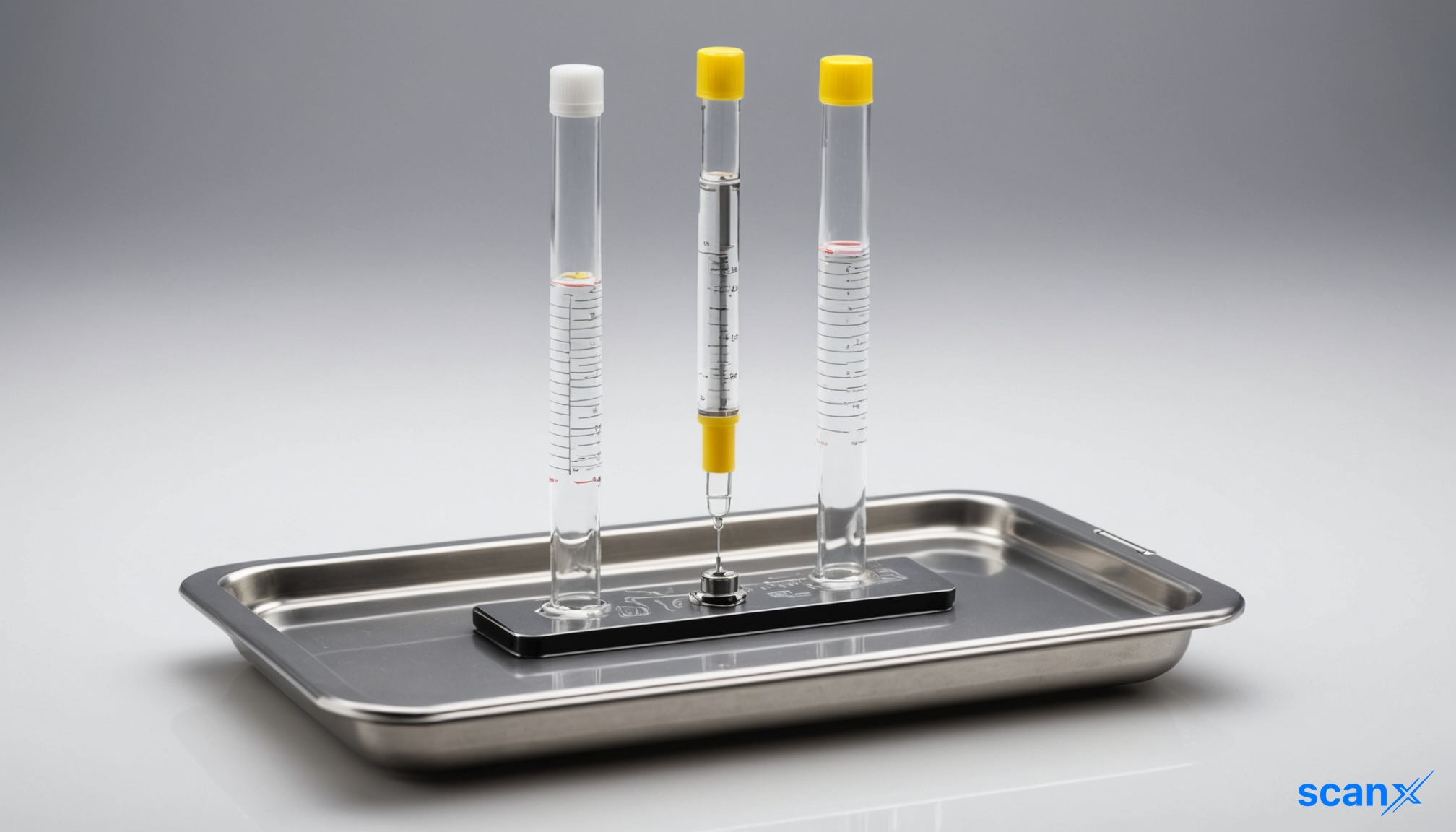
*this image is generated using AI for illustrative purposes only.
Artificial intelligence is rapidly transforming the ion exchange materials market, with over $73 million in venture funding deployed across the sector in recent quarters. This investment surge is driven by water scarcity challenges and semiconductor manufacturing demands, which are accelerating the adoption of AI-powered purification solutions. BCC Research's latest analysis reveals how machine learning technologies are revolutionizing material discovery, predictive maintenance, and plant optimization across water treatment and industrial applications.
Key Investment Drivers
The influx of capital reflects strong investor confidence in the sector, with six key transactions highlighting the trend. Notable investments include JPMorgan Chase's $20M investment in Albert Invent's AI chemical creation platform and Ecolab's $1.8B acquisition of Ovivo's electronics division. The market is witnessing a convergence of water scarcity, regulatory pressure, and semiconductor industry growth, creating a compelling investment thesis for AI-enabled ion exchange materials.
Market Leaders and Applications
Established chemical companies and AI-native startups are positioning themselves to capture market share. Ion Exchange India Ltd , Samyang Corporation, Asahi Kasei Corp., and Ecolab are leading commercialization efforts. Emerging applications include Physics-Enforced Neural Networks (PENN) for material degradation prediction and digital twin technology for real-time plant optimization.
Key Market Participants
| Company Type | Key Players |
|---|---|
| Market Leaders | Ion Exchange India Ltd., Samyang Corporation, Asahi Kasei Corp., Ecolab |
| AI-Native Startups | Xatoms, Albert Invent |
Strategic Implications and Challenges
Government support for digital water infrastructure and regulatory frameworks are accelerating the deployment of intelligent treatment systems. The technology is gaining significant traction in applications requiring ultra-pure water, such as chip production, where AI-powered quality control systems can reduce operational costs. However, adoption remains constrained by skilled labor shortages and limited digital penetration in developing regions. The chemical industry's long innovation cycles have historically created lower AI exposure, though recent funding suggests a rapid shift in this dynamic.
Historical Stock Returns for Ion Exchange
| 1 Day | 5 Days | 1 Month | 6 Months | 1 Year | 5 Years |
|---|---|---|---|---|---|
| -2.55% | -4.62% | -10.69% | +12.22% | -1.85% | +109.75% |

How will the consolidation of AI capabilities by major chemical firms impact the valuation and survival odds of AI-native startups like Xatoms and Albert Invent?
To what extent can Physics-Enforced Neural Networks (PENN) mitigate the long innovation cycles historically associated with the chemical industry?
Will the shortage of skilled labor and low digital penetration in developing regions significantly hinder the global scalability of these AI-powered solutions?
 18
18






 Create Custom Screeners
  Access 200+ Pre-built Filters
  Use 50+ Readymade Screener





