Uttar Pradesh Secures ₹9,750 Crore Investment Commitments at World Economic Forum 2026

2 min read     Updated on 21 Jan 2026, 05:48 PM
scanx
Reviewed by
Ashish TScanX News Team
Overview

Uttar Pradesh secured ₹9,750 crore in investment commitments at WEF 2026, with major MoUs including ₹8,000 crore for waste-to-energy projects by SAEL Industries, ₹1,600 crore for AI infrastructure by Sify Technologies, and ₹150 crore for defence manufacturing by Yeoman. The state delegation conducted strategic meetings with global companies including Uber, Google Cloud, PepsiCo, and Deloitte, exploring opportunities in digital transformation, renewable energy, and mobility solutions.

30543488

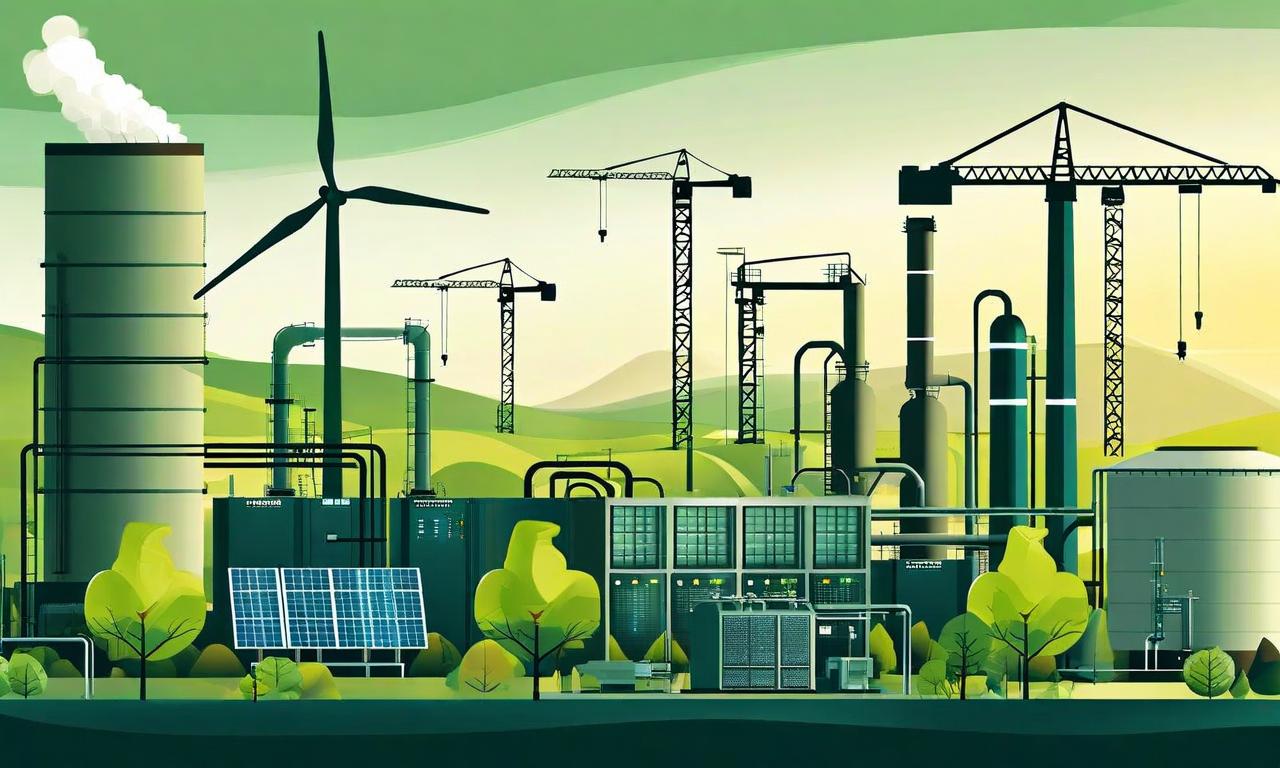
*this image is generated using AI for illustrative purposes only.

The Uttar Pradesh government has achieved a significant milestone at the World Economic Forum Annual Meeting 2026 in Davos, securing investment commitments worth ₹9,750 crore across emerging sectors. The state delegation, coordinated by Invest UP and led by Cabinet Minister for Finance and Parliamentary Affairs Suresh Kumar Khanna, focused on positioning Uttar Pradesh as a future-ready investment destination through strategic partnerships.

Major Investment Commitments

The investment pipeline spans multiple high-growth sectors, with three major MoUs forming the cornerstone of the commitments:

Company Investment Value Sector Focus
SAEL Industries Ltd. ₹8,000.00 crore Waste-to-energy projects
Sify Technologies ₹1,600.00 crore AI-ready data centre and AI City in Noida
Yeoman ₹150.00 crore Defence manufacturing and weapons system integration
Total Commitments: ₹9,750.00 crore Multiple sectors

The largest commitment from SAEL Industries Ltd. focuses on waste-to-energy projects, supporting the state's sustainable development objectives. Sify Technologies' investment will establish AI infrastructure in Noida, while Yeoman's commitment strengthens the state's defence manufacturing capabilities.

Strategic Business Engagements

The delegation conducted extensive meetings with global and Indian companies to explore diverse investment opportunities. The business-to-government interactions included prominent companies across various sectors:

Technology and Digital Services:

  • Google Cloud
  • HCL Software
  • Automation Anywhere
  • Uber Technologies

Industrial and Manufacturing:

  • PepsiCo
  • Anupam Rasayan India Ltd
  • Louis Dreyfus Company
  • Greenko

Professional Services:

  • Deloitte South Asia
  • Wealth Door
  • Cauldron

Focus on Innovation and Mobility

Discussions with Uber Technologies highlighted potential expanded investments and mobility partnerships, including the possibility of establishing a Global Capability Centre in Noida. The company identified opportunities in tourism, last-mile connectivity, and innovative mobility solutions, supported by Uttar Pradesh's existing policy framework.

Separate meetings with Neeraj Agarwal, founder and CEO of Carbon Compass, explored opportunities in climate innovation and sustainability, aligning with the state's environmental objectives.

Strategic Development Areas

The engagements at Davos showcased opportunities across multiple sectors that align with Uttar Pradesh's long-term development vision:

  • Digital transformation and AI infrastructure development
  • Renewable energy and waste-to-energy solutions
  • Food processing and agricultural value addition
  • Automation and advanced manufacturing
  • Global trade and export facilitation

According to government officials, these partnerships support the state's vision of technology-enabled governance, sustainable growth, and large-scale job creation while improving global competitiveness. The discussions highlighted Uttar Pradesh's policy framework, infrastructure readiness, and focus on innovation-led development as key attractors for international investment.

like17
dislike

Uttar Pradesh Tops National Ranking in Business Reform Implementation Across 23 Priority Areas

2 min read     Updated on 06 Jan 2026, 07:12 AM
scanx
Reviewed by
Shriram SScanX News Team
Overview

Uttar Pradesh has secured first position in the Centre's 'Deregulation 1.0' report, becoming the only state to fully implement all 23 priority business reforms. The comprehensive reforms span land, construction, labour, utilities, and permissions sectors, featuring digitised processes, enhanced third-party roles, modernised labour regulations, and integrated digital platforms for streamlined business operations.

29209368

*this image is generated using AI for illustrative purposes only.

Uttar Pradesh has achieved the top ranking in the Centre's comprehensive business reform assessment, becoming the first state to fully implement all 23 priority reform areas identified by the central government. The achievement positions the state as a leader in creating a business-friendly environment through systematic deregulation and process simplification.

Comprehensive Reform Implementation

The state-wise ranking under the 'Deregulation 1.0' report evaluated states based on their effective implementation of reforms across five major sectors. Uttar Pradesh distinguished itself by being the only state to comprehensively adopt all 23 priority areas, demonstrating a holistic approach to business environment improvement.

Sector Key Reforms Implemented
Land Flexible zoning framework, digitised land-use change process, rationalised road width norms
Building & Construction Amended regulations, enhanced third-party roles, online certificate issuance
Labour Removed gender restrictions, permitted night employment, raised compliance thresholds
Utilities & Permissions Third-party environmental certification, integrated digital platforms, industry reclassification

Land and Construction Sector Reforms

In the land sector, Uttar Pradesh implemented significant structural changes to facilitate business operations. The state adopted a flexible zoning framework that enables mixed-use development, providing greater flexibility for businesses in land utilisation. The land-use change process underwent complete digitalisation, reducing bureaucratic delays and improving transparency.

The building and construction sector witnessed substantial regulatory amendments aimed at reducing land wastage in industrial and commercial developments. The state enhanced the role of empanelled third parties in critical processes including building approvals, joint inspections, and fire safety assessments. This reform has significantly reduced approval timelines while maintaining quality standards through online issuance of occupancy and completion certificates.

Labour Market Modernisation

Uttar Pradesh implemented progressive labour reforms that modernise workplace regulations while ensuring worker protection. The state removed restrictions preventing women from working in certain industries previously classified as hazardous, expanding employment opportunities. Night-time employment for women across factories, shops, and commercial establishments received official permission, enhancing workforce flexibility.

The compliance threshold under the Shops and Establishments Act was raised to 20 workers or more, reducing regulatory burden on smaller enterprises while maintaining oversight for larger operations. Working hour limits underwent rationalisation to balance productivity requirements with worker welfare.

Digital Integration and Streamlined Processes

The state's approach to utilities and permissions demonstrates comprehensive digital transformation. Third-party certification for environmental consents was enabled, accelerating the approval process while maintaining environmental standards. Factory and trade license approvals transitioned to online systems, eliminating physical paperwork and reducing processing time.

Electricity and water connections now operate through integrated digital platforms, providing businesses with streamlined access to essential utilities. The reclassification of non-polluting industries under the White category further simplified compliance requirements for environmentally friendly businesses.

Strategic Impact on Business Environment

These comprehensive reforms position Uttar Pradesh as a model for other states in implementing business-friendly policies. The systematic approach across all five identified sectors creates a cohesive ecosystem that addresses multiple pain points faced by businesses. The integration of digital platforms with regulatory processes demonstrates the state's commitment to leveraging technology for administrative efficiency.

like19
dislike
Explore Other Articles