SEBI Develops AI-Powered Cybersecurity Tool to Strengthen Market Entity Supervision

2 min read     Updated on 02 Jan 2026, 09:07 PM
scanx
Reviewed by
Ashish TScanX News Team
Overview

SEBI Chairman Tuhin Kanta Pandey announced the development of an AI-driven inspection tool to strengthen risk-based supervision of regulated entities by analyzing cyber audit reports and identifying control gaps. The regulator is also constituting a working group to create a structured technology roadmap providing 5-year and 10-year strategic vision for market infrastructure institutions.


28913821

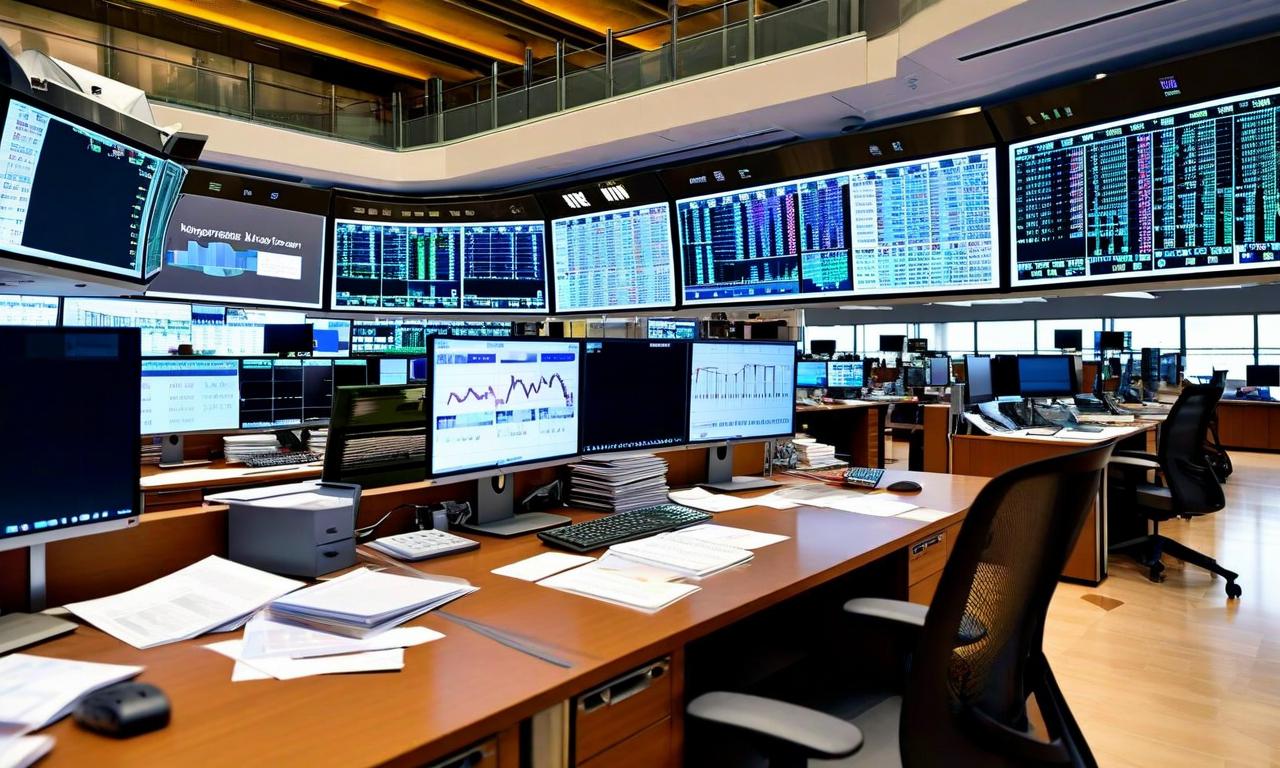
*this image is generated using AI for illustrative purposes only.

Securities and Exchange Board of India (SEBI) is developing an artificial intelligence-powered cybersecurity tool to enhance supervision of regulated entities, Chairman Tuhin Kanta Pandey announced at the BSE's Sensex 40th anniversary event. The regulator is simultaneously working on establishing a comprehensive technology roadmap for market infrastructure institutions to strengthen the securities market ecosystem.

AI-Driven Cybersecurity Enhancement

The AI-powered inspection tool currently under development will serve multiple critical functions in strengthening SEBI's regulatory oversight capabilities. Pandey explained that this tool represents a significant advancement in risk-based supervision methodology for regulated entities.

Function: Description
Cyber Audit Analysis: Analyze cyber audit reports of regulated entities
Control Gap Identification: Identify vulnerabilities and control gaps
Risk Classification: Classify entities based on their risk exposure
Supervision Enhancement: Strengthen risk-based supervision framework

The AI-driven tool represents a significant step toward modernizing regulatory supervision methods and ensuring robust cybersecurity standards across the securities market.

Technology Roadmap for Market Infrastructure

SEBI is constituting a working group to develop a structured technology roadmap for market infrastructure institutions (MIIs). This comprehensive strategic framework will provide clear guidance for technological advancement across different planning horizons.

Planning Horizon: Strategic Vision
Short-term Vision: 5-year strategic technology framework
Long-term Vision: 10-year strategic technology roadmap
Scope: Complete securities market ecosystem enhancement

The technology roadmap aims to provide MIIs with structured guidance for technological advancement and infrastructure development to support the evolving needs of India's capital markets.

Regulatory Focus on Innovation and Market Integrity

Pandey urged exchanges and other market infrastructure institutions to continue investing in three critical areas: technology advancement, risk management systems, and cyber resilience capabilities. He emphasized the importance of ensuring that innovation strengthens rather than weakens market integrity.

The SEBI Chairman highlighted the regulator's ongoing focus on strengthening regulatory architecture that upholds market integrity amid widening participation and diversification in the investor base. He noted that enduring markets are built on institutions that inspire trust, regulation that evolves with markets, and systems that continuously adapt and upgrade.

Market Development Context

Speaking at the Sensex 40th anniversary celebration, Pandey described the benchmark index, launched in 1986, as more than just a market indicator. He called it a testament to India's capital market journey, noting that India's securities market is deeply intertwined with the history of the Bombay Stock Exchange, now BSE, which stands as one of the oldest stock exchanges in Asia.

The announcements reflect SEBI's commitment to leveraging advanced technology for regulatory enhancement while maintaining the integrity and stability of India's growing capital markets ecosystem.

like20
dislike

Sensex at 40: SEBI Chairman Charts Market Evolution from Manual Trading to Global Integration

2 min read     Updated on 02 Jan 2026, 08:59 PM
scanx
Reviewed by
Radhika SScanX News Team
Overview

At the BSE event celebrating 40 years of the Sensex, SEBI Chairman Tuhin Kanta Pandey reflected on the remarkable transformation of India's capital markets from their manual, inward-looking origins in 1986 to today's globally integrated, technology-driven ecosystem. He emphasized the continuity of certain companies that have remained Sensex constituents since inception, attributing their sustained presence to strong governance and long-term value creation principles.

28913346

*this image is generated using AI for illustrative purposes only.

SEBI Chairman Tuhin Kanta Pandey has marked the 40th anniversary of the Sensex by highlighting the remarkable transformation of India's capital markets from manual trading systems to sophisticated global integration. Speaking at a BSE celebration event, Pandey emphasized that the next phase of market development will prioritize quality, governance, and technological resilience over traditional scale metrics.

Historical Foundation and Forward-Looking Vision

Pandey reflected on the contrasting market landscape when the Sensex was launched in 1986, describing it as a period when "India's economy and markets were very different from what we see today." He noted that trading was manual, market participation was limited, and the economy remained relatively inward-looking.

"Yet, the idea behind the Sensex was forward-looking to create a transparent, representative and credible benchmark that reflected the performance of leading companies in the economy," the SEBI Chairman stated.

Market Evolution Aspects: Then vs Now
Trading System: Manual to Technology-driven
Market Participation: Limited to Widespread
Economic Orientation: Inward-looking to Globally Integrated
Industry Focus: Traditional to Services, Finance & Technology

Institutional Resilience and Continuity

The SEBI chief highlighted the remarkable continuity of certain companies that have maintained their Sensex constituent status since the index's inception. "Over four decades marked by liberalisation, technological disruption, regulatory evolution and global shocks, these enterprises have adapted without losing sight of their core principles," Pandey observed.

He emphasized that this sustained presence reflects "sustained attention to governance, competitiveness and long-term value creation," reinforcing that while markets respond to cycles, enduring value is built across generations.

Pandey also noted the BSE's unique position as one of the oldest stock exchanges in Asia, having witnessed and endured global crises including World Wars, the Great Depression of 1929, oil shocks, dot-com bubble-burst, Global Financial Crisis, and the COVID-19 pandemic.

Strategic Priorities for Future Development

Outlining SEBI's vision for the next phase, Pandey emphasized that market development will be defined not just by scale, but by quality and sophistication. The regulator has identified several key priority areas:

Priority Area: Strategic Focus
Corporate Governance: Strengthening standards and oversight
Sustainable Finance: Promoting long-term value creation
Innovation Balance: Encouraging advancement with investor protection
Technology Integration: Responsible use in operations and supervision

Technology and Risk Management

The SEBI Chairman highlighted the regulator's proactive approach to emerging technologies, particularly artificial intelligence in market supervision. He cited specific implementations such as SEBI Sudarshan for detecting unauthorized digital activity and AI-driven systems for monitoring advertisements and corporate disclosures.

"The next frontier for Sebi lies in anticipating risks before they surface as markets evolve with emerging technologies," Pandey stated, emphasizing the importance of staying ahead of potential challenges in an increasingly complex market environment.

As the Sensex celebrates four decades of tracking India's economic pulse, SEBI's strategic focus on quality governance and technological resilience positions the markets for sustainable growth in the evolving global financial landscape.

like18
dislike
More News on sebi
Explore Other Articles
Transformers & Rectifiers Targets ₹8000 Crore Order Book by FY26 End 7 hours ago
Reliance Industries Schedules Board Meeting for January 16, 2026 to Approve Q3FY26 Financial Results 9 hours ago
Power Mech Projects Subsidiary Secures ₹1,563 Crore BESS Contract from WBSEDCL 6 hours ago
Elpro International Acquires Additional Stake in Sundrop Brands for ₹39.18 Crores 6 hours ago
Krishival Foods Limited Completes Rights Issue Allotment of 3.33 Lakh Partly Paid-Up Equity Shares 8 hours ago
Raymond Realty Board Approves Employee Stock Option Plan 2025 Following Demerger 8 hours ago