SBI Revises ATM Transaction Charges Across Account Types - New Rates Effective

1 min read     Updated on 11 Jan 2026, 01:21 PM
scanx
Reviewed by
Riya DScanX News Team
Overview

State Bank of India has implemented revised ATM and ADWM transaction charges affecting customers using other banks' ATMs beyond free limits. The updated fee structure covers savings accounts, salary packages, and current accounts, impacting both cash withdrawals and non-financial transactions conducted outside the bank's ATM network.

29663516

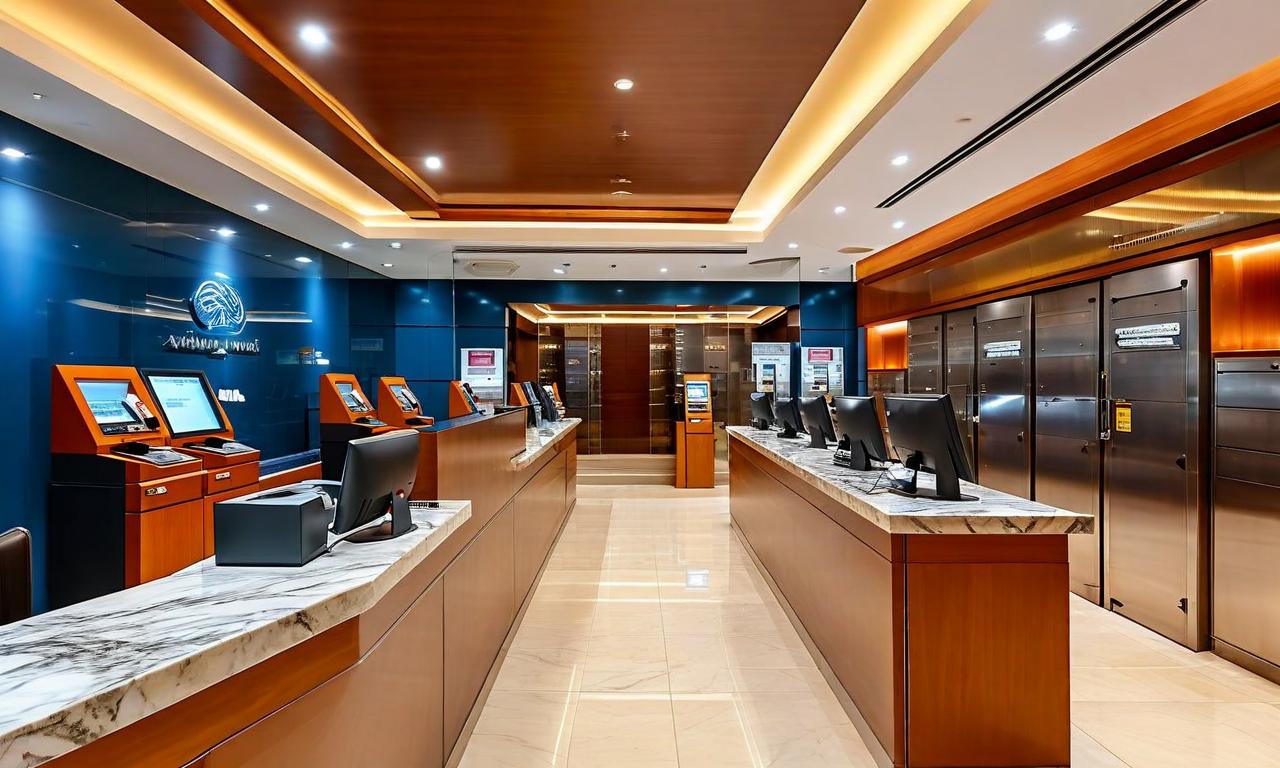
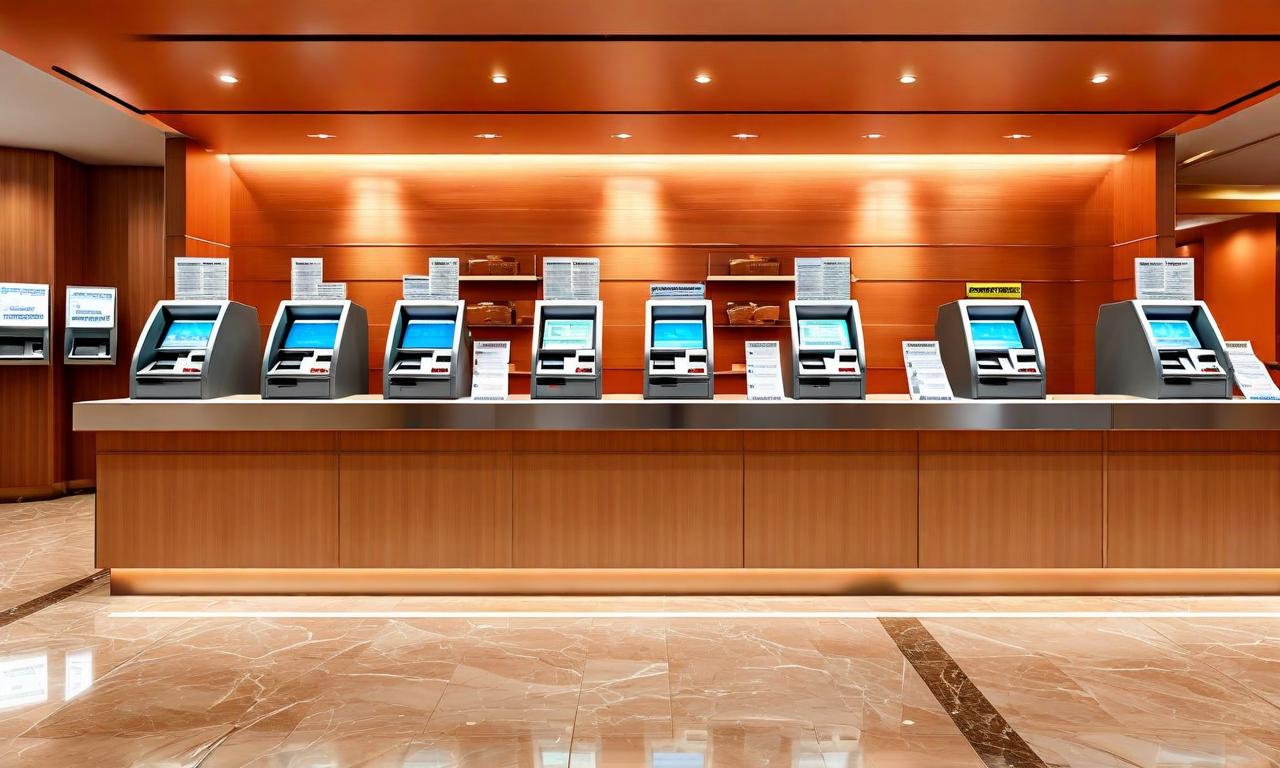
*this image is generated using AI for illustrative purposes only.

State Bank of India , India's largest state-owned lender, has announced revised charges for ATM and Automated Deposit cum Withdrawal Machine (ADWM) transactions. The updated fee structure will impact customers who use other banks' ATMs beyond their allocated free transaction limits.

Revised Transaction Charges

The new charge structure affects multiple account categories offered by the bank. Customers with savings accounts, salary packages, and current accounts will need to review their ATM usage patterns to understand the financial implications of the revised rates.

Account Type Coverage
Savings Account ATM and ADWM charges revised
Salary Package Updated transaction fees
Current Account New charge structure applicable

Impact on Customer Transactions

The revision specifically targets transactions conducted at ATMs belonging to other banks. Customers will face the new charges when they exceed their free transaction limits for both cash withdrawals and non-financial services. This change represents a significant policy update for State Bank of India's extensive customer base.

Service Categories Affected

The updated charges apply to various ATM services beyond basic cash withdrawals. Non-financial transactions, which include balance inquiries and mini-statements, will also be subject to the revised fee structure when conducted at other banks' ATMs.

Customers are advised to review their current ATM usage patterns and consider utilizing State Bank of India's own ATM network to minimize additional charges. The bank's decision reflects ongoing adjustments in the banking sector's fee structures for electronic transactions.

Historical Stock Returns for State Bank of India

1 Day5 Days1 Month6 Months1 Year5 Years
+0.25%+1.60%+4.61%+23.12%+29.74%+249.83%
State Bank of India
View in Depthredirect
like17
dislike

SBI Stock Shows Bearish Technical Signals After Head & Shoulders Pattern Formation

2 min read     Updated on 09 Jan 2026, 11:15 AM
scanx
Reviewed by
Riya DScanX News Team
Overview

State Bank of India has formed a bearish head-and-shoulders pattern on its 1-hour chart, breaking below the ₹1,002 neckline support with technical indicators confirming downward momentum. Despite recent weakness, the stock has delivered strong annual returns of 29.37% and maintains its position as India's largest public sector bank with over 23,050 branches.

29483122

*this image is generated using AI for illustrative purposes only.

State Bank of India has developed a bearish head-and-shoulders pattern on its 1-hour chart following a sustained uptrend, signaling a potential reversal in near-term momentum. The technical formation suggests possible downside pressure after the stock broke below key support levels.

Technical Pattern Analysis

The head-and-shoulders pattern represents a classic bearish reversal formation characterized by a higher central peak positioned between two lower peaks. This structure indicates a potential transition from bullish to bearish momentum upon neckline breach.

Technical Parameter: Details
Pattern Type: Head and Shoulders (Bearish)
Neckline Level: ₹1,002.00
Pattern Status: Breakdown Confirmed
Volume Trend: Marginally Reduced

On Thursday, SBI established a lower-high formation across the head and shoulders before decisively breaking below the ₹1,002.00 neckline. This breach, coupled with marginally reduced buying volumes, confirms the emergence of bearish momentum in the near term.

Technical Indicator Confirmation

Multiple technical indicators support the bearish outlook for the stock:

RSI Analysis: The daily RSI shows persistent bearish momentum, dropping from 65 in the previous trading session to 60 on Thursday, confirming the continuation of the downtrend.

MACD Signals: The orange signal line crossed above the blue MACD line, with the histogram turning red, indicating bearish momentum development.

Moving Average Crossover: On the 1-hour timeframe, the 5-day moving average has crossed below the 9-day moving average, further confirming the bearish trend direction.

Volume Analysis: The Price Volume Indicator confirms the trend, supported by a sharp decline in trading volume during the breakdown.

Price Levels and Implications

The bearish head-and-shoulders breakdown signals potential for extended downside movement. The downside target is derived by measuring the vertical distance from the head's peak to the neckline, then projecting that distance downward from the breakdown point.

Support/Resistance: Level
Key Resistance: ₹1,002.00
Breakdown Zone: Below ₹1,002.00
Pattern Target: Calculated from head-to-neckline distance

Upside resistance now looms at ₹1,002.00, while persistent trading below the breakdown zone reinforces bearish control. A decisive close below the neckline support, preferably with elevated volume, would help mitigate false breakout risks.

Company Performance Overview

Despite the recent technical weakness, SBI has delivered strong returns across longer timeframes. In the past month, the bank posted a 4.31% return amid an extended uptrend. Over the prior six months, the stock advanced 22.76%, while achieving a 29.37% gain across the last year.

Performance Period: Return
1 Month: +4.31%
6 Months: +22.76%
1 Year: +29.37%

About State Bank of India

State Bank of India, incorporated in 1955, operates as India's largest public sector bank with an extensive network spanning over 23,050 branches, 62,500 ATMs, and 78,933 BC outlets. The bank commands more than 22% of domestic deposits and dominates multiple segments including retail banking, SME financing, agriculture, and corporate lending in infrastructure and services sectors. SBI maintains global operations across 29 countries, with particular emphasis on trade finance and operations in GIFT City.

Historical Stock Returns for State Bank of India

1 Day5 Days1 Month6 Months1 Year5 Years
+0.25%+1.60%+4.61%+23.12%+29.74%+249.83%
State Bank of India
View in Depthredirect
like16
dislike
More News on State Bank of India
Explore Other Articles
1,000.50
+2.50
(+0.25%)