Reliance Vs Bear Cartel: The Battle That Shut Down BSE For Three Days


The 1982 battle between Reliance Industries and a bear cartel led to an unprecedented three-day shutdown of the Bombay Stock Exchange. Bear traders drove Reliance shares from Rs. 131 to Rs. 121, but faced coordinated resistance from the "Friends of Reliance." When settlement obligations couldn't be met, BSE suspended trading for three days. The episode exposed structural market weaknesses and contributed to subsequent regulatory reforms in Indian equity markets.
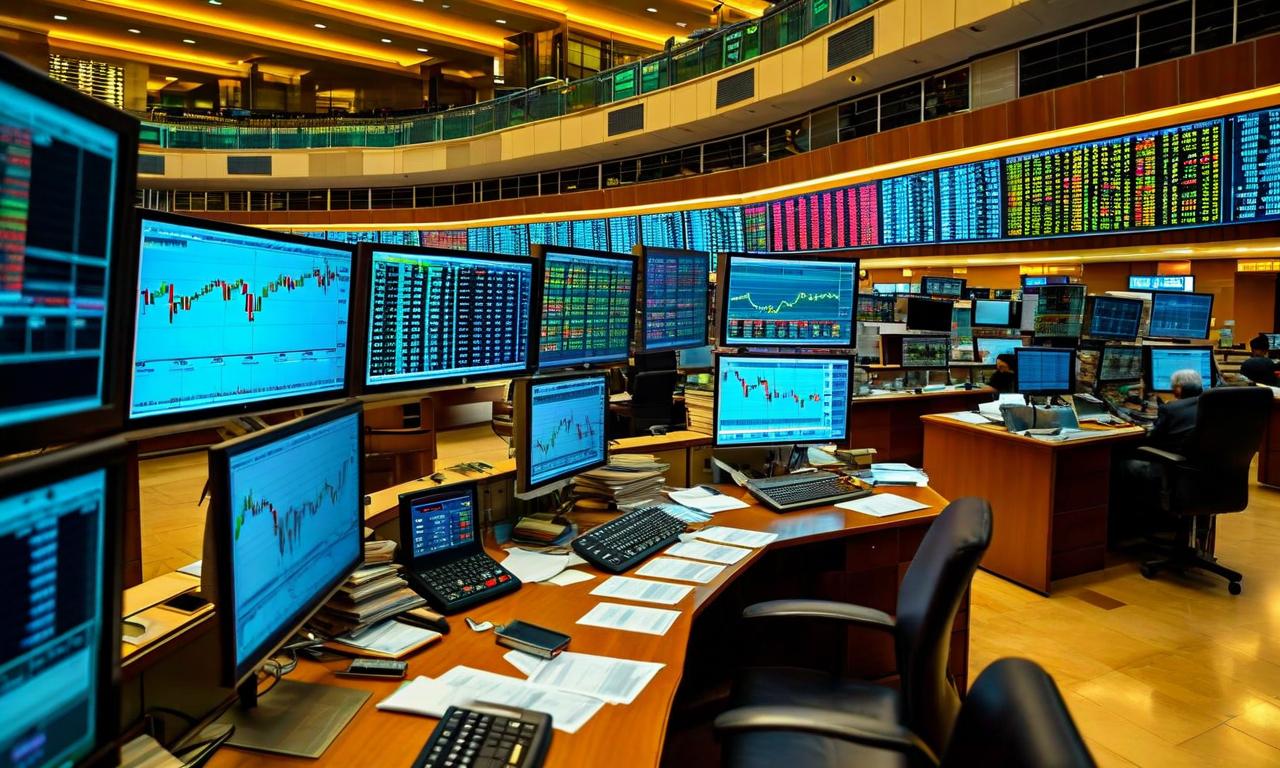

*this image is generated using AI for illustrative purposes only.
The dusty paths of Dalal Street hide stories that are stranger than fiction, but few episodes capture the imagination like the stock market battle of 1982, a clash between Reliance Industries and a formidable bear cartel that brought the Bombay Stock Exchange to a halt for three trading days. In an age long before algorithmic trading and electronic systems, this high-stakes drama unfolded in crowded trading pits, leaving an indelible mark on Indian markets.
A Market Still Learning Its Own Rules
In the early 1980s, the Indian stock market operated very differently from today. Transactions were executed in open pits and trading floors, settlement cycles were measured in weeks rather than days, and there was little real-time oversight or digital infrastructure. Brokers operated on reputation and credit, while fortnightly settlement obligations loomed over the market like ticking deadlines.
This peculiar ecosystem created both opportunity and danger. With every scheduled settlement, brokers would scramble to square their positions, often resorting to the outdated badla system to push obligations into the next cycle. It was in this environment that the battle over Reliance shares erupted.
Reliance Industries had gone public in the late 1970s and quickly became one of the most watched stocks on the BSE due to its rapid industrial expansion and enormous retail investor interest. Its shares were liquid, widely held, and deeply woven into portfolios across the country, making it both a market bellwether and a prime target for speculative action.
The Bear Cartel Strikes
In March 1982, a syndicate of bear traders based largely out of Bengal began aggressively shorting Reliance shares. Their objective was straightforward: drive down prices, squeeze liquidity, and profit from the price collapse that would trigger cascading selling across the market.
| Market Action: | Details |
|---|---|
| Initial Price: | Rs. 131 |
| Price After Bear Attack: | Rs. 121 |
| Time Frame: | Few hours |
| Strategy: | Coordinated short selling |
Initially, the bears saw success by driving the quoted price of Reliance shares down over just a few hours. However, they underestimated two critical factors: the resolve of Reliance's management and the willingness of certain brokers to rally behind the stock.
Friends, Foes and Counter-Attack
Word spread quickly that Reliance would not be picked off easily. A loosely organized group of brokers and investors, often referred to as the "Friends of Reliance," began stepping in to buy the very stock the bears were dumping. Unlike individual investors reacting to a price dip, this consortium acted with coordinated purpose, absorbing supply and holding prices steady.
With a fortnightly settlement date approaching, the bears' leverage started turning against them. When settlement day arrived, the bears found themselves in deep trouble - they had sold shares they did not own and were running out of options to fulfill their delivery obligations. The bulls demanded physical delivery of shares rather than accepting a rolled-over settlement, a demand that bore heavy financial consequences under the prevailing badla system.
Market Chaos and the Shutdown
What happened next was unprecedented for the Indian market at that time. With both sides unwilling to step back and discussions on the trading floor failing to resolve the issue, the Bombay Stock Exchange made an extraordinary decision to suspend trading for three business days.
| Crisis Response: | Details |
|---|---|
| Action Taken: | Trading suspension |
| Duration: | Three business days |
| Reason: | Settlement dispute |
| Impact: | Market-wide halt |
This shutdown was implemented to prevent a wider settlement problem that could have affected brokers, financial institutions, and overall market confidence. Trading came to a halt not due to technical issues, but because there was no agreement on prices and deliveries.
When trading resumed, the situation had moved decisively in Reliance's favor. Short sellers were forced to buy back shares to close their positions, and this buying pressure, combined with continued support from investors aligned with Reliance, pushed the stock above earlier levels.
The Aftermath and Market Impact
The episode firmly established Reliance Industries and its founder, Dhirubhai Ambani, as formidable forces on Dalal Street. The bear cartel had misjudged market sentiment and underestimated the resolve of those supporting the stock. While exact figures remain unclear, accounts from the time suggest bears were forced to buy back at much higher levels, nursing significant losses.
More importantly, the fallout exposed the fragility of the market's structure in that era:
- Outdated badla system vulnerabilities
- Drawn-out settlement cycles creating systemic risk
- Lack of transparency in trading mechanisms
- Insufficient regulatory oversight
These structural weaknesses did not go unnoticed. Over the following years, regulators began implementing reforms, gradually introducing cleaner settlement processes, better oversight, and eventually rolling settlements. These changes transformed how Indian equities were traded, shaped in part by hard lessons learned from episodes like this one.
Legacy of the 1982 Battle
Nearly four decades later, the 1982 Reliance-bear cartel battle remains more than just a market episode - it represents a defining moment in Indian capital market history. The confrontation revealed how markets could be shaped as much by human emotion and determination as by fundamental analysis.
At a time when settlements were slow and safeguards were limited, powerful decisions and disagreements were enough to bring the entire market to a standstill. Even today, as trading becomes faster and more regulated, the episode holds relevance by demonstrating that beneath every system and algorithm, human behavior ultimately gives markets their pulse.
The story endures because it captures the essence of market dynamics: belief, confrontation, and money on the line, played out in an era when individual actions could reshape entire market structures.
Historical Stock Returns for Reliance Industries
| 1 Day | 5 Days | 1 Month | 6 Months | 1 Year | 5 Years |
|---|---|---|---|---|---|
| -1.17% | -4.98% | -12.02% | -1.89% | +8.53% | +48.98% |
 18
18