

RIL Q3 Results: Revenue Jumps 11% YoY to ₹2.69 Lakh Crore, Expert Says In Line


Reliance Industries delivered Q3 results largely in line with Street expectations, posting 11% YoY revenue growth to ₹2.69 lakh crore and marginal profit growth to ₹18,645 crore. Market expert Sushil Choksey highlighted strong O2C performance as the key stabilizing force, while retail faced temporary GST-related pressures and Jio maintained steady growth with potential for tariff-driven upside.



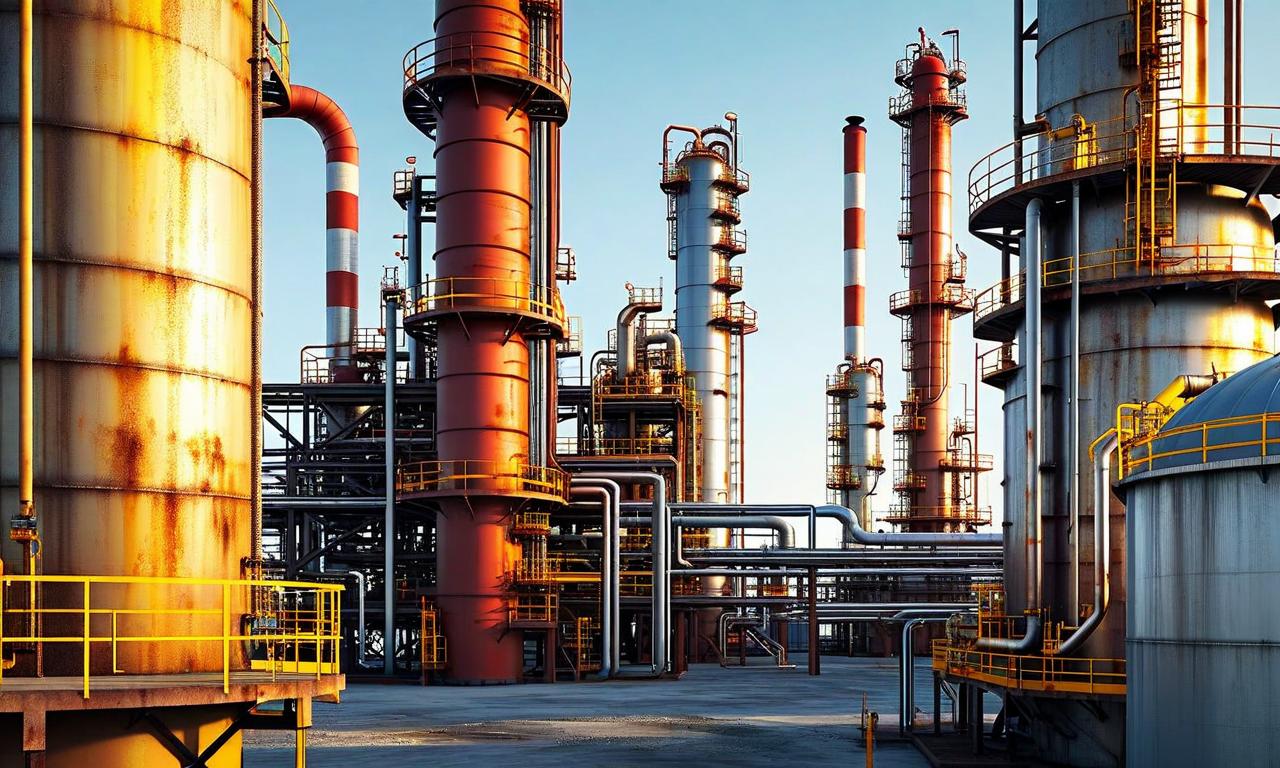
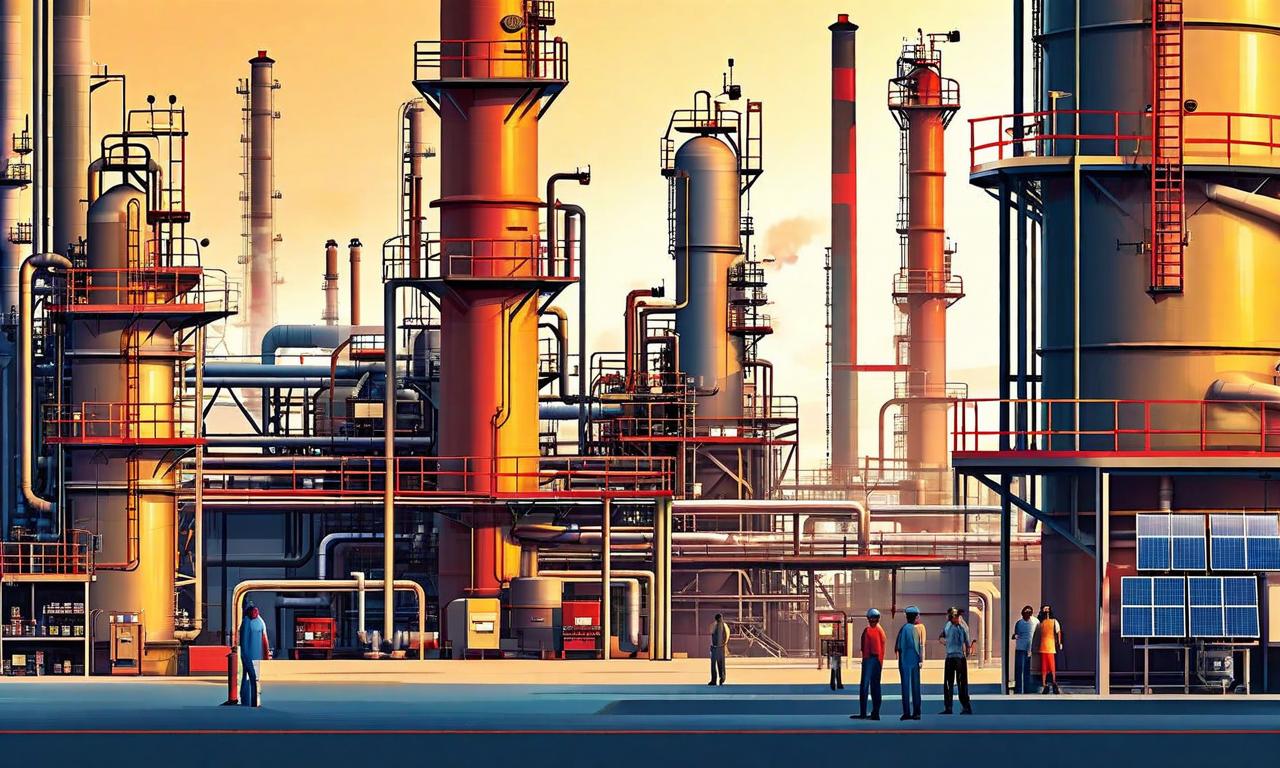
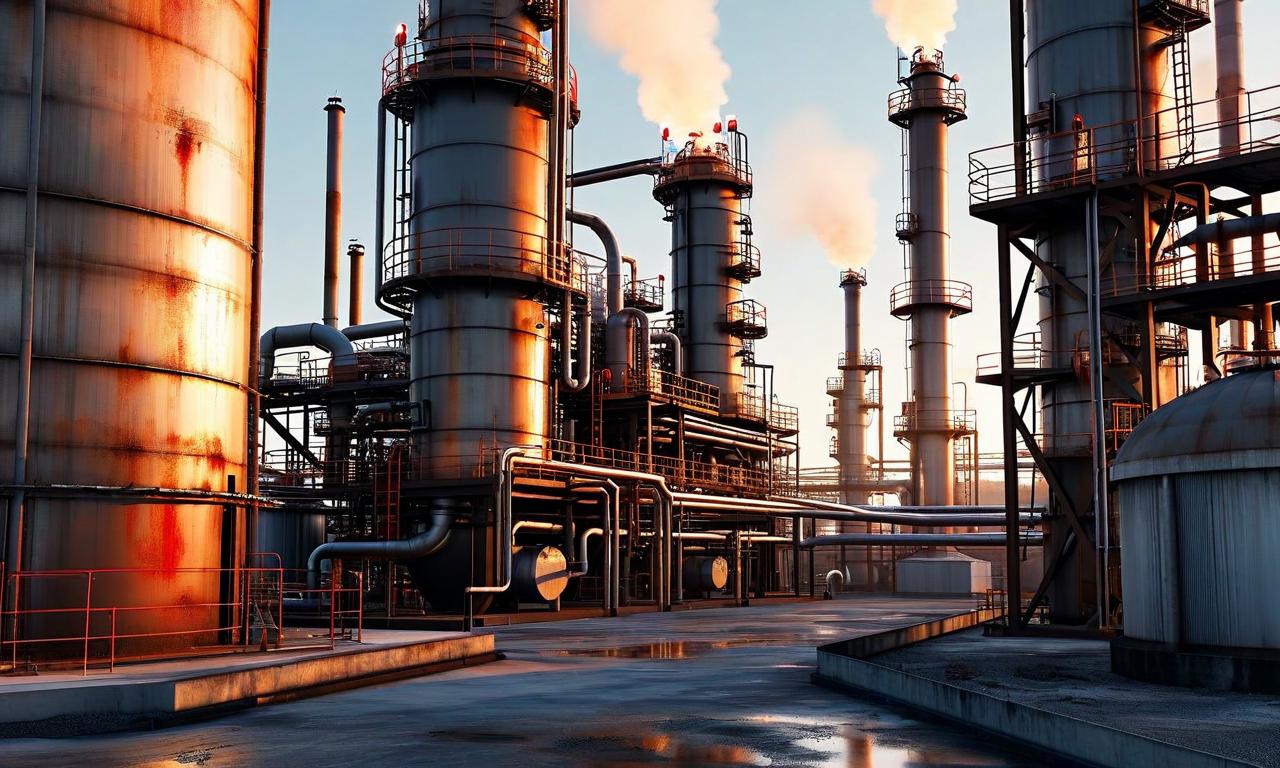
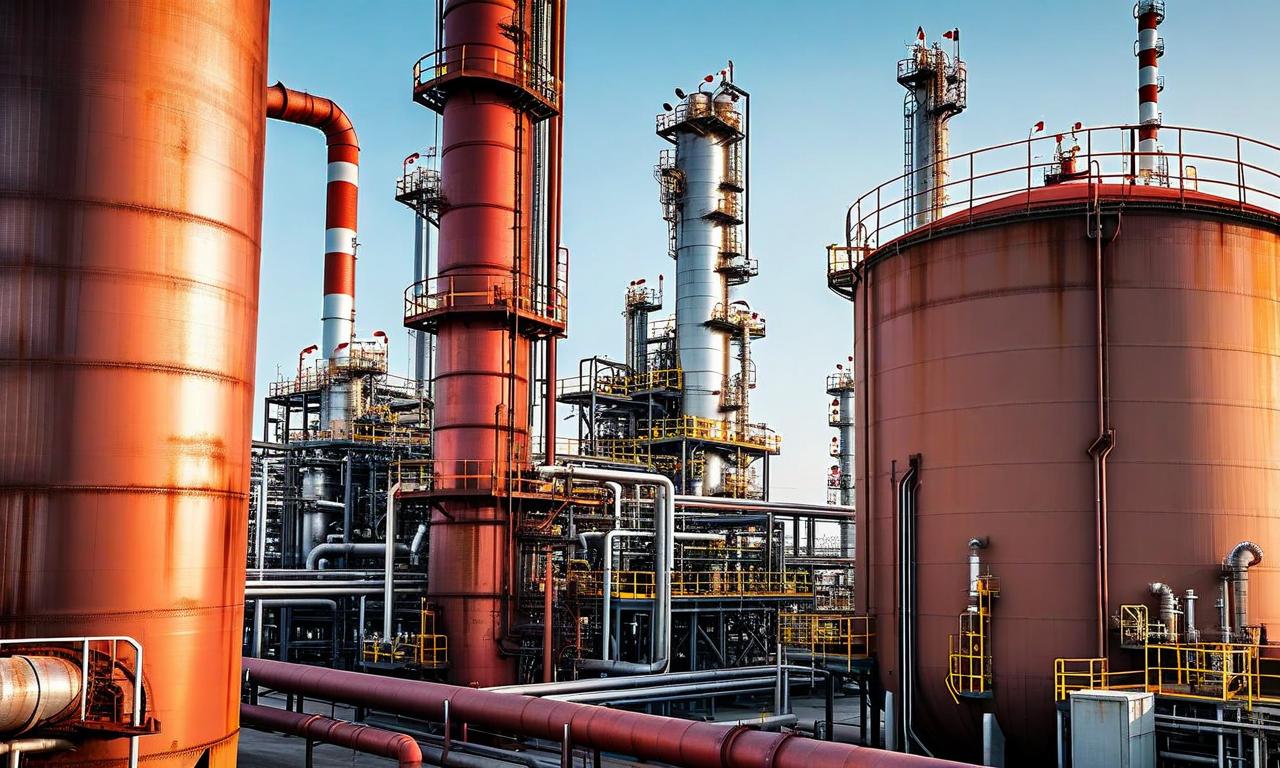
*this image is generated using AI for illustrative purposes only.
Reliance Industries delivered a strong top-line performance in Q3 with consolidated revenue from operations rising 11% year-on-year to ₹2.69 lakh crore, though net profit growth remained muted at 0.56% YoY to ₹18,645 crore. The company posted EBITDA of ₹50,932 crore, marking 6% year-on-year growth, primarily driven by robust performance in the Jio telecom business and Oil-to-Chemicals (O2C) segment. Market expert Sushil Choksey from Indus Equity Advisors noted that the results were broadly in line with Street expectations.
Financial Performance Overview
The diversified conglomerate showed steady business momentum with sequential improvements, as net profit rose 3% quarter-on-quarter from ₹18,165 crore and revenues increased 4% sequentially. However, higher operational costs partially impacted profitability during the quarter.
| Key Financial Metrics: | Q3 Performance | Growth (YoY) |
|---|---|---|
| Revenue from Operations: | ₹2.69 lakh crore | +11% |
| Net Profit: | ₹18,645 crore | +0.56% |
| EBITDA: | ₹50,932 crore | +6% |
| Depreciation: | ₹14,622 crore | +11% |
| Finance Costs: | ₹6,613 crore | +7% |
O2C Segment Powers Performance
The O2C business demonstrated exceptional strength with EBITDA surging to ₹16,507 crore, significantly higher than ₹15,008 crore in the previous quarter and ₹14,402 crore year-on-year. Choksey highlighted the division's strength, stating that "oil-to-chemicals division throughput was exceeding 20 million and GRM was on a stable note. The cash cow continues to energise the entire expansion of Reliance."
| O2C Performance Metrics: | Q3 Results |
|---|---|
| EBITDA: | ₹16,507 crore |
| Previous Quarter EBITDA: | ₹15,008 crore |
| Year-ago EBITDA: | ₹14,402 crore |
| Quarter-on-Quarter Growth: | 10% |
Digital Services Maintains Growth Trajectory
Jio delivered steady performance with wireless revenue growing 8% year-on-year, supported by robust subscriber additions. ARPU improved across multiple timeframes, rising 5.1% year-on-year and 1.1% quarter-on-quarter to ₹213.70 per user. Choksey noted that "Jio was stable and positive" and identified tariff hikes as the key lever for future earnings growth, especially with Bharti Airtel's ARPU remaining about 20% higher than Jio's.
| Digital Services Performance: | Q3 Metrics |
|---|---|
| ARPU: | ₹213.70 |
| YoY ARPU Growth: | 5.1% |
| QoQ ARPU Growth: | 1.1% |
| Wireless Revenue Growth: | 8% YoY |
Retail Faces Temporary Headwinds
The retail segment experienced some pressure during the quarter, which Choksey attributed to temporary factors. "Retail was a little disappointing because GST changes had an impact for one month and the festive season had shifted to Q2," he explained. However, he believes the weakness is transient, noting that "expansion mode is on track" with the number of stores nearing 20,000 and per square foot sales remaining on track.
Expert Analysis and Market Outlook
Choksey provided a comprehensive assessment of the company's consolidated performance, noting that "yearly EBITDA without other income at ₹1.85 lakh crore and debt nearing around ₹1 lakh crore seem to be on track." He suggested a sum-of-parts valuation target of ₹1,700 to ₹1,850, supported by favorable currency dynamics and high replacement costs for similar global complexes.
| Valuation Components: | Target Value (₹) |
|---|---|
| O2C Division: | 600 |
| Jio Division: | 600 |
| Retail Division: | 450 |
| New Energy Business: | 250 |
| Total Target Range: | 1,700-1,850 |
Regarding the new energy vertical, Choksey indicated that "management commentary suggests that the new energy vertical is beginning to take shape and could see visible traction over the next six months."
Historical Stock Returns for Reliance Industries
| 1 Day | 5 Days | 1 Month | 6 Months | 1 Year | 5 Years |
|---|---|---|---|---|---|
| +2.66% | +3.05% | -7.87% | -6.65% | -11.42% | +4.82% |
 18
18










 Access Market Heat-map & Insights
  Create, Save & Share your Screener
  Use 200+ Screening Filters





