

RBI Deputy Governor Highlights Potential for UPI User Base to Reach 1 Billion in India


RBI Deputy Governor T Rabi Sankar announced UPI's potential expansion from 400 million to 1 billion users, emphasizing growth opportunities in India's digital payment sector. Digital payment transaction values surged from ₹2,071.00 crore in FY 2017-18 to ₹22,831.00 crore in FY 2024-25, achieving a 41% CAGR. UPI processes 81% of India's retail payment transactions and has expanded globally with operational links to Singapore and acceptance in eight countries including France and UAE.

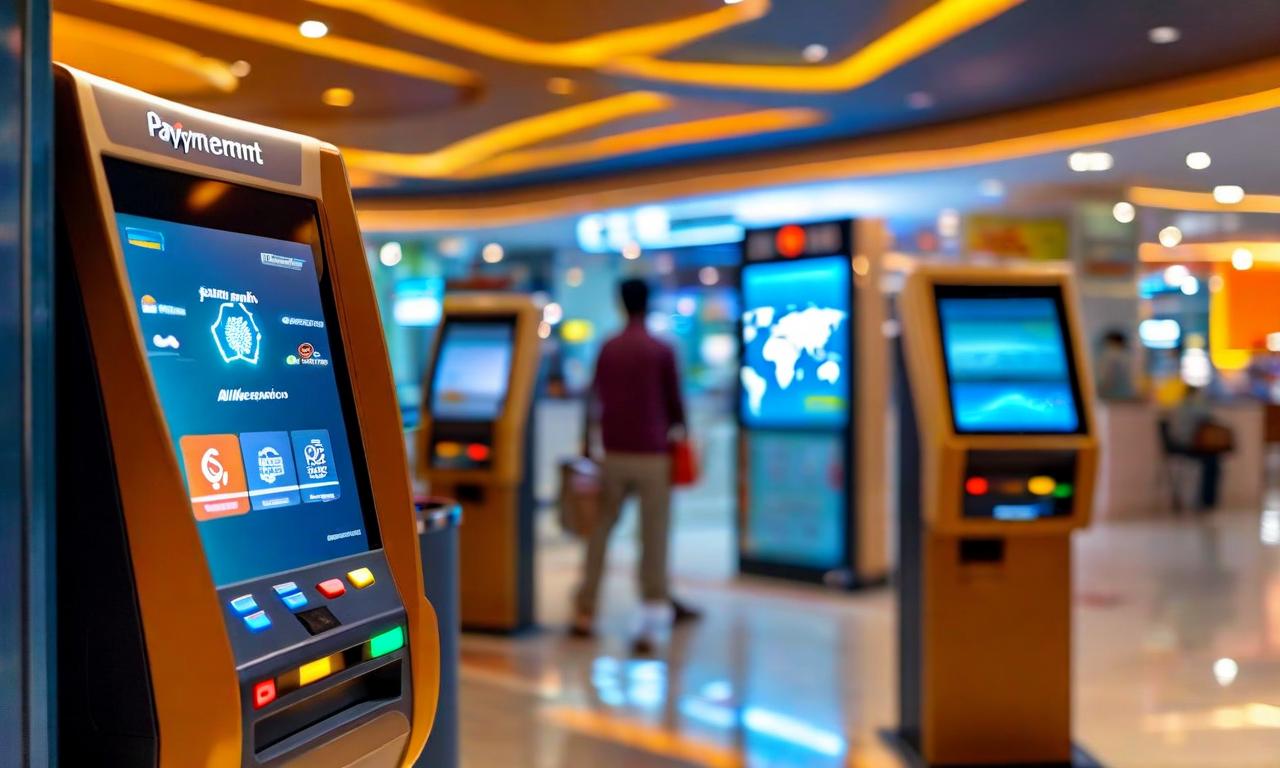

*this image is generated using AI for illustrative purposes only.
Reserve Bank Deputy Governor T Rabi Sankar has announced that India's Unified Payment Interface (UPI) user base could potentially grow from 400 million to 1 billion users, highlighting the significant expansion opportunities in the country's digital payment landscape. Speaking about the transformative impact of digital payments on India's financial ecosystem, the Deputy Governor emphasized the need for continued enhancement of digital payment infrastructure to promote greater financial inclusivity.
Current Market Position and Growth Trajectory
India currently accounts for half of the world's retail payment transactions, establishing itself as a global leader in digital payment adoption. However, the Deputy Governor noted that the number of digital transactions per person still lags behind many developed nations, indicating substantial room for growth. The comparison with Kenya, where digital transaction rates per person are approximately double those of India, underscores this potential for expansion.
| Financial Metric: | FY 2017-18 | FY 2024-25 | Growth Rate |
|---|---|---|---|
| Total Digital Payment Value: | ₹2,071.00 crore | ₹22,831.00 crore | 41% CAGR |
| UPI Market Share: | - | 81% of retail transactions | - |
| Current User Base: | - | 400 million | - |
UPI's Dominant Role in Digital Transactions
UPI has emerged as the dominant payment method in India, facilitating both Person to Person (P2P) and Person to Merchant (P2M) transactions. The platform processes approximately 81% of the country's retail payment transactions by volume, demonstrating its widespread adoption across various transaction types. The system allows users to link multiple bank accounts into a single mobile application, significantly enhancing convenience and accessibility for consumers.
The National Payments Corporation of India (NPCI), an RBI-promoted entity, launched a USSD-based service in 2016 to provide UPI access to feature phone users, expanding the platform's reach beyond smartphone users and promoting broader financial inclusion.
Global Expansion and International Connectivity
The Reserve Bank has been actively working on linking UPI with Fast Payment Systems (FPSs) of other countries through bilateral agreements. The linkage with Singapore has been operational since February 2023, with similar projects underway with the UAE and Nepal. These initiatives enable seamless inward and outward remittance payments, facilitating international financial transactions.
| Country Partnerships: | Status |
|---|---|
| Singapore FPS Linkage: | Operational since February 2023 |
| UAE Integration: | Under development |
| Nepal Connection: | In progress |
| QR Code Acceptance: | 8 countries |
Indian UPI apps are now accepted via QR Code in several countries, including Bhutan, France, Mauritius, Nepal, Singapore, Sri Lanka, the UAE, and Qatar. This development enables Indian tourists, students, and business travelers to make payments using their Indian UPI apps while abroad, enhancing convenience for international transactions.
Economic Impact and Security Measures
A study cited by the Deputy Governor indicates that a 10% increase in digital payments could boost GDP by 0.3%, highlighting the significant economic implications of expanding digital payment adoption. The remarkable growth in digital payment transactions, with values rising from ₹2,071.00 crore in FY 2017-18 to ₹22,831.00 crore in FY 2024-25, reflects a compound annual growth rate of 41%.
To address cybersecurity concerns, the Reserve Bank has implemented various protective measures, including the 'mule hunter' initiative designed to combat digital frauds. The Deputy Governor emphasized the transformative social impact of UPI, noting that it enables individuals, including housewives, to securely operate small businesses from home, promoting entrepreneurship and economic participation across diverse demographics.
Historical Stock Returns for Bank of India
| 1 Day | 5 Days | 1 Month | 6 Months | 1 Year | 5 Years |
|---|---|---|---|---|---|
| -0.58% | -7.28% | -10.08% | -5.48% | +4.92% | +133.30% |
 19
19












 Access Market Heat-map & Insights
  Create, Save & Share your Screener
  Use 200+ Screening Filters





