
 NewsNew Lift Standards for People with Disabilities to Drive Infrastructure Redesigns Across India
New Lift Standards for People with Disabilities to Drive Infrastructure Redesigns Across India


India is introducing stricter lift standards for people with disabilities, requiring comprehensive redesigns across property and infrastructure developments. The new framework mandates specific accessibility features including standardized wheelchair-accessible dimensions, enhanced door operations, tactile control panels, and improved emergency systems. These standards will replace existing norms and align with recent accessibility guidelines, addressing the needs of India's 26.8 million disabled citizens while embedding accessibility directly into technical specifications rather than treating it as an add-on feature.

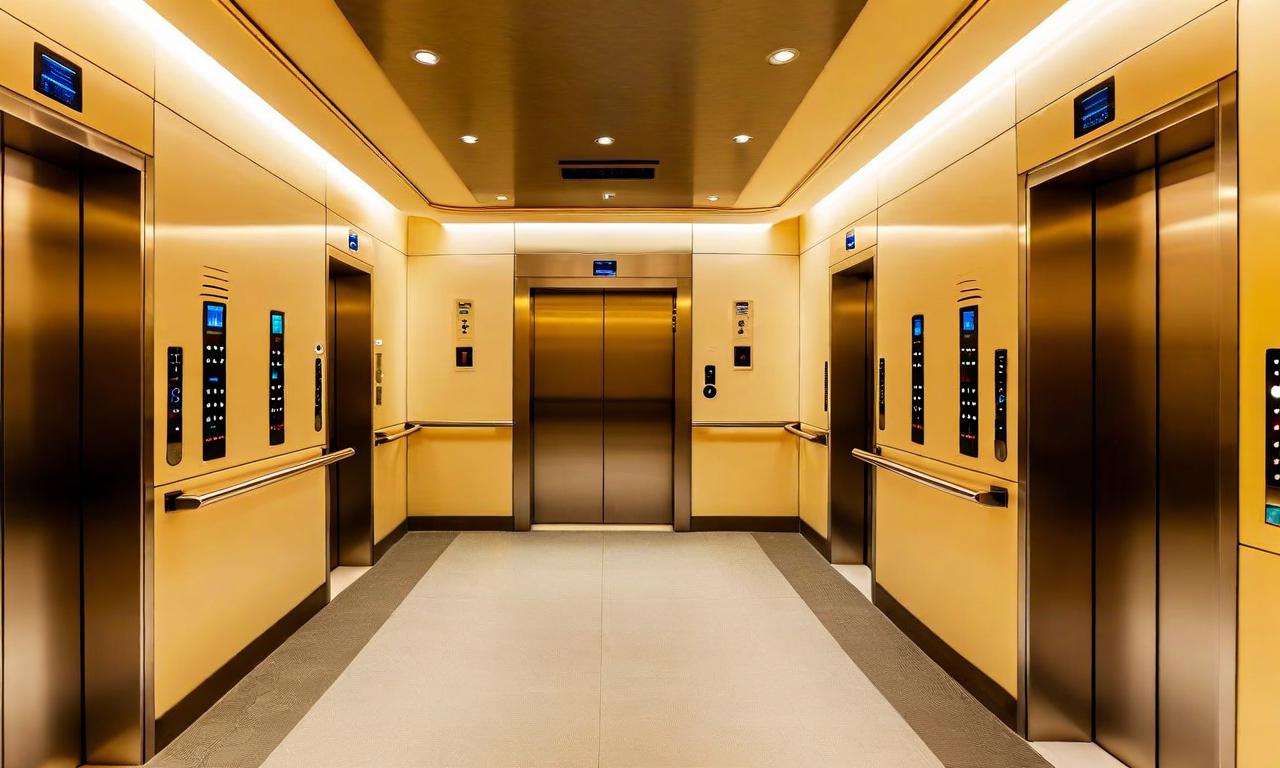

*this image is generated using AI for illustrative purposes only.
The Indian government is set to introduce stricter technical and functional requirements for lifts serving people with disabilities, a move that will compel property and infrastructure developers nationwide to redesign their accessibility features. This initiative represents a renewed push to the Accessible India campaign launched in 2015, aimed at improving mobility and access for divyangjans across buildings, workplaces, public transport, and daily infrastructure.
Comprehensive Design Requirements
The proposed framework establishes detailed specifications that lift manufacturers and infrastructure developers must follow. Under these new standards, lifts for people with disabilities must be strategically located along accessible routes, featuring defined entrance designs and minimum clear door openings. The lift car dimensions will be standardized specifically to accommodate wheelchair users, with enhanced requirements particularly for public buildings.
| Key Design Elements: | Specifications |
|---|---|
| Location Requirements: | Along accessible routes with defined entrance designs |
| Door Specifications: | Minimum clear door openings |
| Car Dimensions: | Standardized for wheelchair accommodation |
| Public Building Standards: | Enhanced requirements beyond standard specifications |
| Safety Features: | Tighter stopping and levelling norms |
Addressing Critical Accessibility Gaps
The new standards address longstanding challenges in India's accessibility framework, where inconsistent interpretations and uneven enforcement have often resulted in lifts that are difficult or unsafe for people with disabilities to use. With India home to 26.8 million people with disabilities representing 2.21% of the population, these improvements are essential for inclusive infrastructure development.
Jaijit Bhattacharya, founder and president of the Centre for Digital Economy Policy Research, emphasized that while accessibility is mandated under the RPwD Act, inconsistent technical standards and weak enforcement have limited outcomes. The new harmonized lift norms embedded into building regulations are expected to significantly improve mobility, independence, and participation for persons with disabilities.
Advanced Door Operations and Safety Features
The standards place particular emphasis on door operations and safety mechanisms. Key features include adjustable door dwell times, allowing doors to remain fully open for sufficient duration before closing, and non-contact door sensors that provide adequate time for users to enter or exit without assistance.
| Safety and Operational Features: | Details |
|---|---|
| Door Dwell Times: | Adjustable timing for safe entry and exit |
| Sensor Technology: | Non-contact door sensors |
| Interior Requirements: | Handrails, adequate lighting, slip-resistant flooring |
| Seating Provisions: | Recognizing extended accessibility needs |
| Emergency Systems: | Accessible and simple-to-operate communication |
Inclusive Communication Systems
The proposed standards prioritize inclusive communication within lifts through comprehensive design requirements. Control panels will incorporate tactile markings and braille, complemented by visual and audible indicators to support users with different disabilities. Emergency communication systems are designed to be accessible and simple to operate, while automatic rescue arrangements aim to minimize distress during power failures or breakdowns.
Industry Response and Implementation
Amt Gossain, managing director of KONE India & South Asia, noted that accessibility represents a core design principle across smart movement solutions, ensuring safe, intuitive, and independent mobility for people with diverse physical and sensory needs. The company supports features such as wheelchair-friendly cabins, extended door timings, tactile and audio guidance, and compliant control panels for seamless movement.
From a policy perspective, these upcoming standards are significant because they embed accessibility directly into technical specifications rather than treating it as an add-on. The standards will replace existing norms and form part of the broader framework governing lifts for transport of persons and goods, aligned with the Harmonized Guidelines and Standards for Universal Accessibility (2021) and the Rights of Persons with Disabilities (Amendment) Rules, 2023.
Strategic Implementation Timeline
Lift manufacturers and infrastructure developers have indicated that early clarity on final requirements will help them plan product design, certification, and procurement timelines. This is particularly crucial as India's urban infrastructure expands rapidly and retrofit demand rises in older buildings. The industry looks forward to working with policymakers, developers, and advocacy groups to drive effective implementation and advance truly inclusive mobility nationwide.
 16
16







 Access 50+ Readymade Screeners
  Use 200+ Custom Filters
  Get Full Market Insights





