

Mumbai Mandates Higher Base Fares for Uber, Ola, and Rapido


The Mumbai Metropolitan Region Transport Authority (MMRTA) has directed Uber, Ola, and Rapido to align their base fares with traditional taxis. New rates are ₹20.66/km for non-AC and ₹22.72/km for AC vehicles, up from ₹15-16/km. Apps can offer up to 25% discount during low demand and 1.5x surge pricing during peak hours. Drivers to retain 80% of fares. Implementation was due by September 18, with driver groups threatening further protests if demands aren't met.

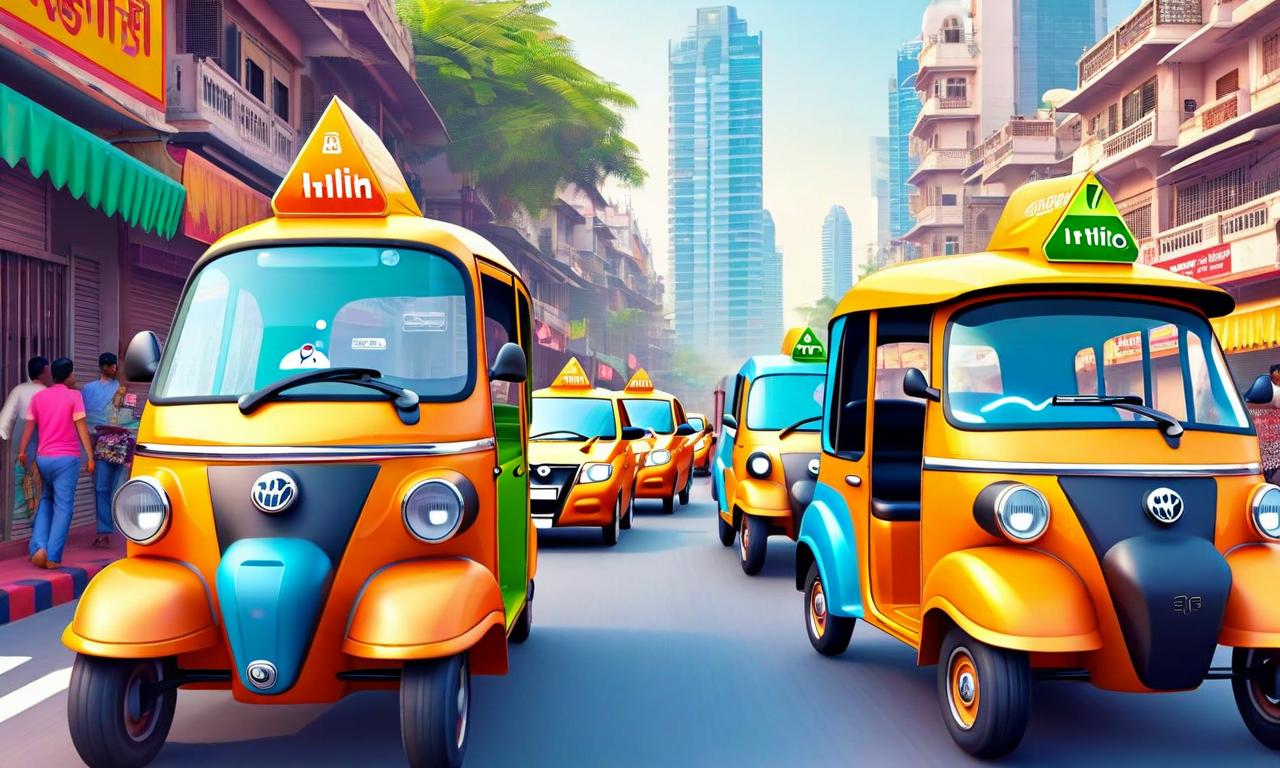

*this image is generated using AI for illustrative purposes only.
The ride-hailing industry in Mumbai is set for a significant shake-up as the Mumbai Metropolitan Region Transport Authority (MMRTA) has issued a directive to app-based cab aggregators Uber, Ola, and Rapido to align their base fares with those of traditional black-and-yellow taxis. This move is expected to have far-reaching implications for both drivers and passengers in the bustling metropolis.
New Fare Structure
The MMRTA has mandated that ride-hailing apps must adopt the following base fares:
- Non-AC vehicles: ₹20.66 per kilometer
- AC vehicles: ₹22.72 per kilometer
This represents a substantial increase from the current app fares, which typically range from ₹15.00 to ₹16.00 per kilometer for small cabs. The new structure translates to an increase of at least ₹5.00 per kilometer, potentially impacting the affordability of these services for regular users.
Implementation Timeline and Flexibility
The aggregators were given until September 18 to update their apps with the new fare structure. However, the directive allows for some flexibility in pricing:
- During periods of low demand, the apps can offer discounts of up to 25% on the base fare.
- During peak hours, surge pricing of up to 1.5 times the base fare is permitted.
Driver Benefits
The new regulations also aim to benefit drivers, stipulating that they should retain 80% of the collected fares. This move could potentially address some of the long-standing concerns of driver-partners regarding their earnings.
Background and Reactions
The decision comes in response to mounting pressure from app-based taxi and auto unions, who had threatened protests to demand fare revisions. The significant increase in base fares is likely to be welcomed by these groups.
However, driver groups have issued a warning of intensified agitation scheduled for September 30 if their demands for even higher fares are not met. Additionally, they are voicing opposition to the issuance of bike taxi licenses, indicating ongoing tensions in the evolving urban transport landscape.
Implications for Passengers
For Mumbai's commuters, this change could mean a noticeable increase in their daily transport costs. The higher base fares, combined with the potential for surge pricing during peak hours, may lead passengers to reconsider their transport options or budget allocations for ride-hailing services.
Looking Ahead
As the September 18 deadline for implementation has passed, it remains to be seen how effectively these changes have been rolled out and what impact they will have on the market dynamics. The coming weeks will be crucial in determining whether this new fare structure strikes the right balance between driver earnings and passenger affordability, or if further adjustments will be necessary.
The situation in Mumbai could set a precedent for other cities in India grappling with similar issues in the ride-hailing sector. Stakeholders across the country will likely be watching closely to see how this plays out in one of India's largest metropolitan areas.
 20
20






 Create Custom Screeners
  Access 200+ Pre-built Filters
  Use 50+ Readymade Screener





