News Stocks Indian Auto Industry Hits Record High in October: Festive Demand and GST Cuts Drive Growth
Indian Auto Industry Hits Record High in October: Festive Demand and GST Cuts Drive Growth


The Indian automobile industry recorded its best-ever October performance, with passenger vehicle dispatches increasing by 17% to 460,739 units and two-wheeler sales rising 2% to 2,210,727 units. This surge was driven by strong festive season demand and recent GST rate reductions. The industry saw a trend towards premiumization, with consumers opting for more expensive models within each category. Despite some logistic constraints, the overall trend remained positive. Industry experts anticipate continued growth, projecting a sustained increase of 6-8 percentage points in the medium term.
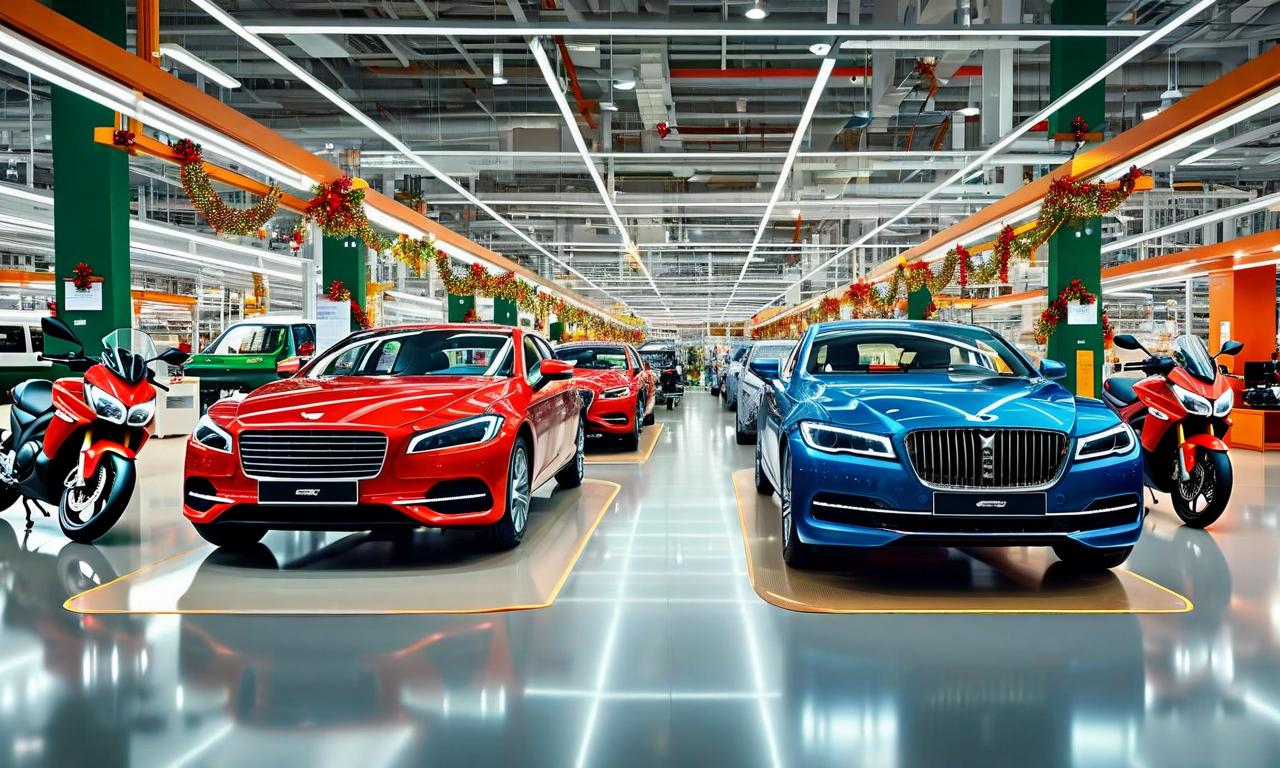

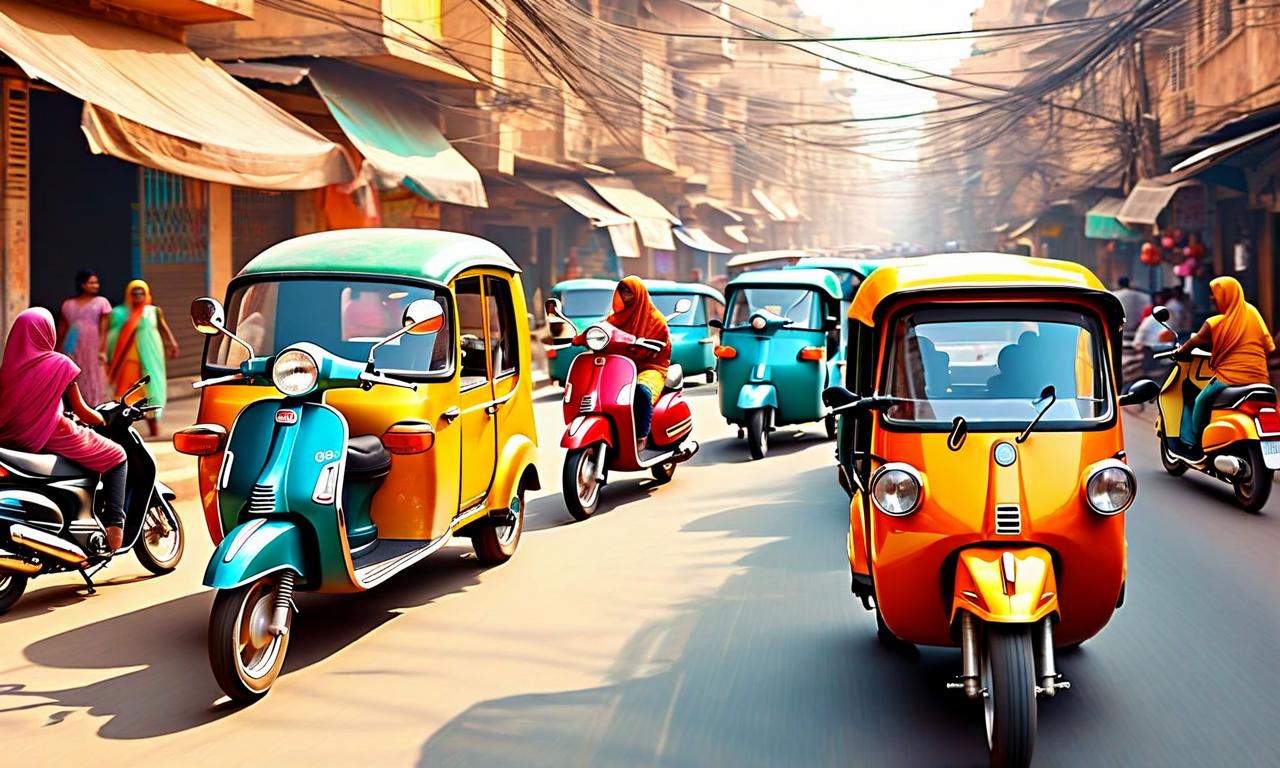
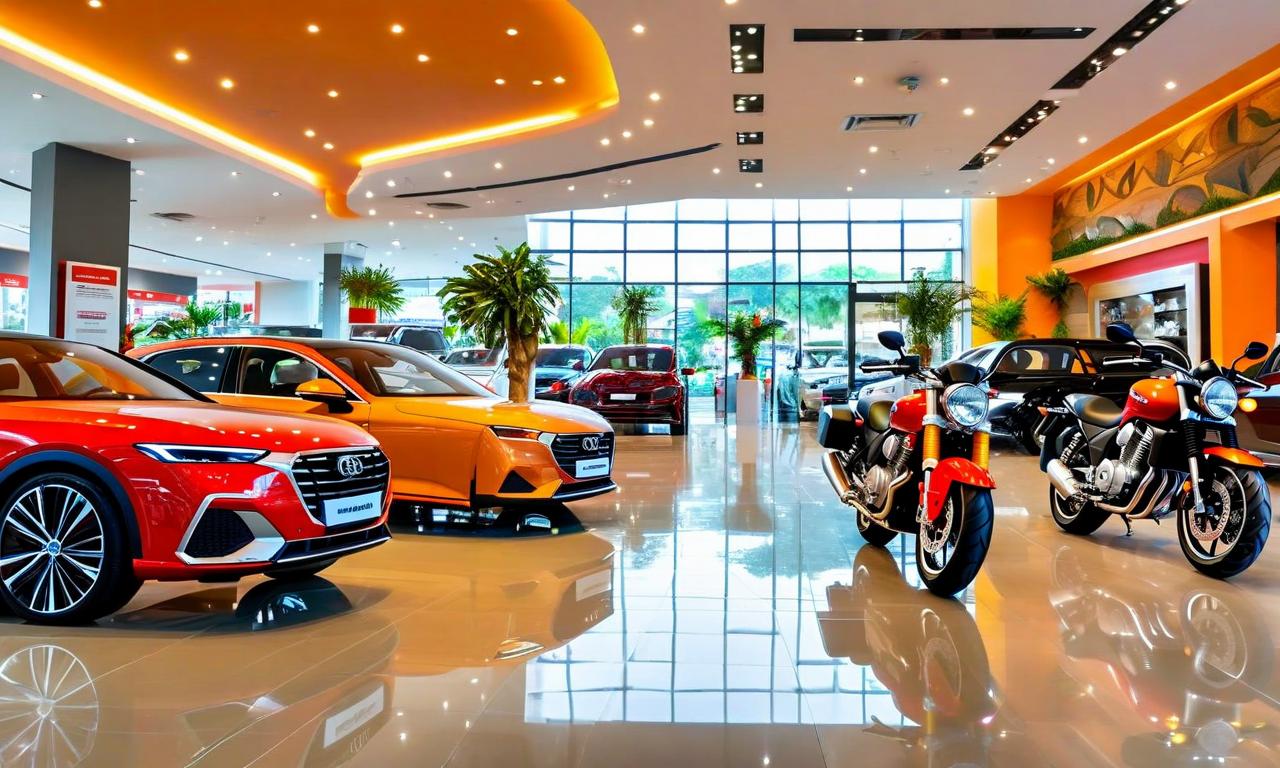
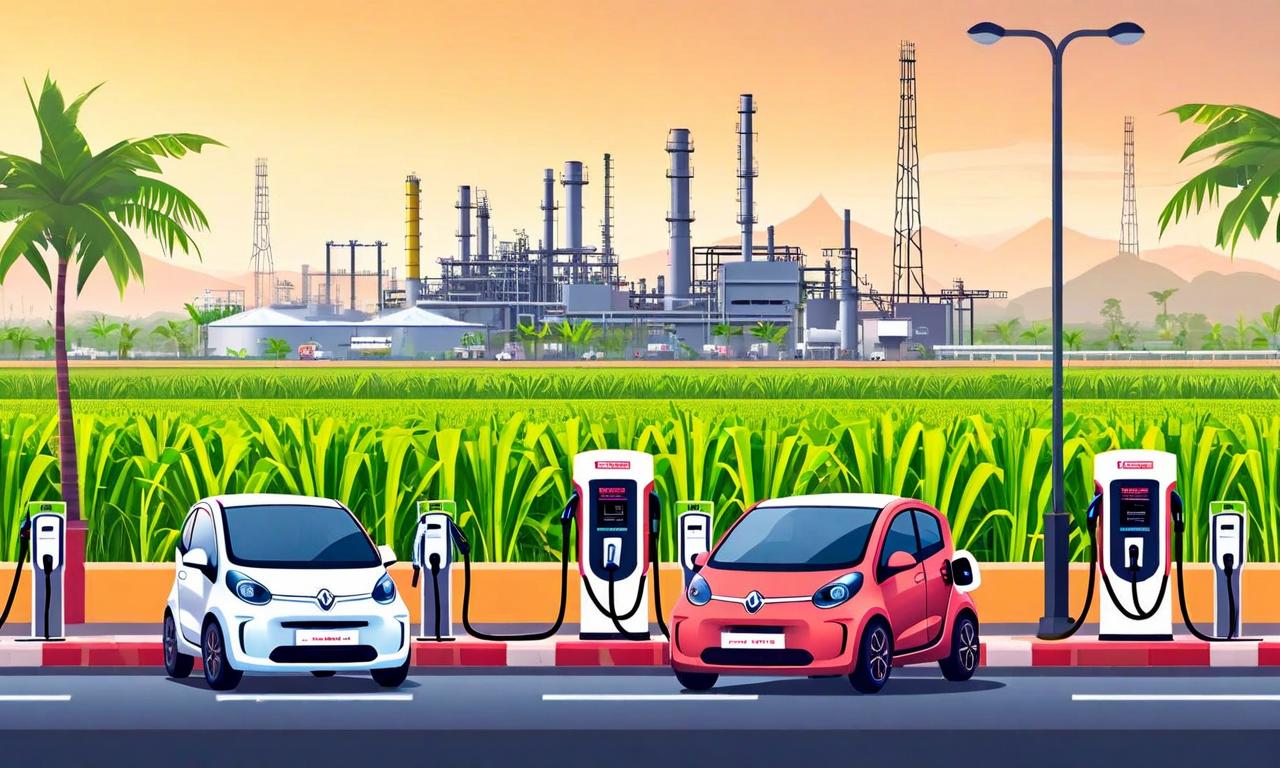
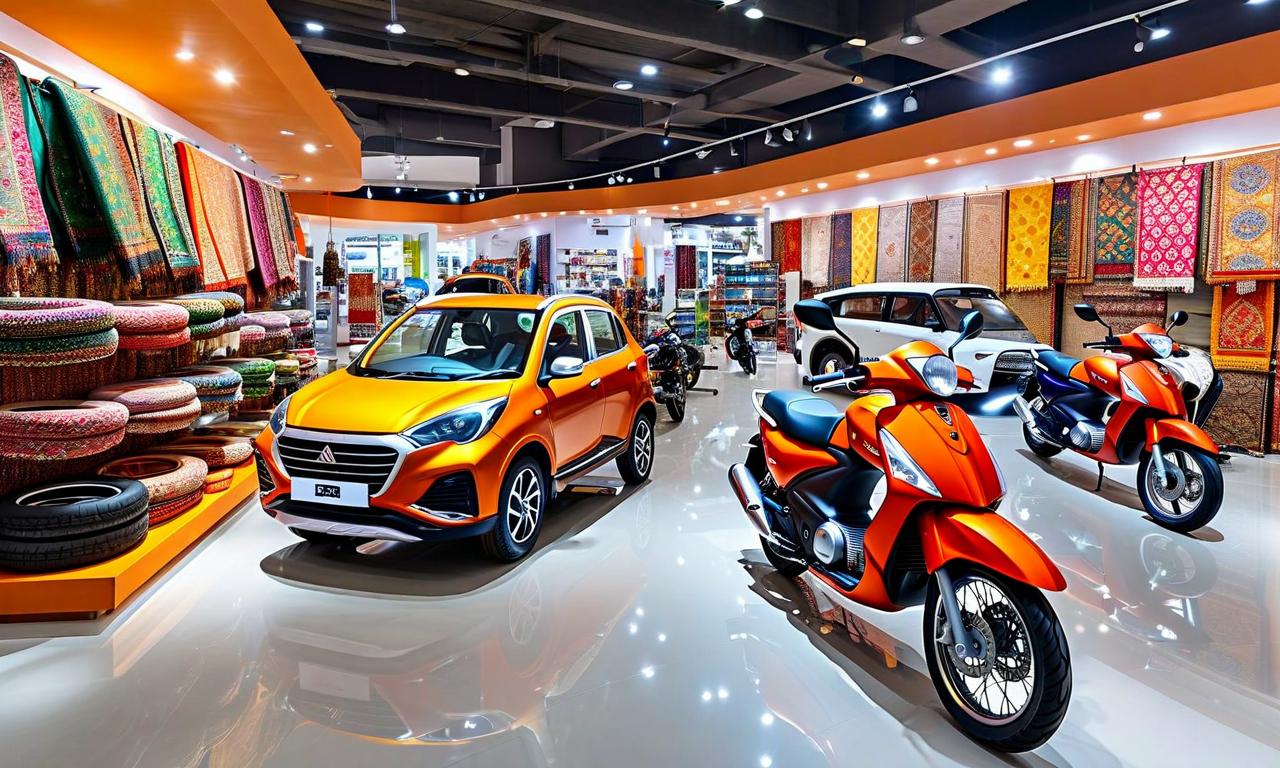
*this image is generated using AI for illustrative purposes only.
The Indian automobile industry has recorded its best-ever October performance, with passenger vehicle and two-wheeler dispatches reaching unprecedented levels. This surge in sales was primarily driven by robust festive season demand and the recent reduction in Goods and Services Tax (GST) rates.
Record-Breaking Dispatches
Passenger vehicle dispatches saw a remarkable 17% increase, reaching 460,739 units in October. Meanwhile, two-wheeler sales rose by 2%, totaling 2,210,727 units. These figures represent the highest monthly dispatches across segments in the industry's history.
Factors Driving Growth
Two key factors contributed to this exceptional performance:
Festive Season Demand: The traditional surge in consumer spending during the festive period played a significant role in boosting sales.
GST Rate Reductions: The implementation of reduced GST rates from September 22 has had a positive impact on the industry. This tax cut has benefited both automobile manufacturers and dealers, making vehicles more affordable for consumers.
Industry Impact
The strong performance has been a boon for automobile manufacturers and dealers alike. However, some logistic constraints were reported, although these did not significantly hamper the overall positive trend.
Market Dynamics
The GST rate cuts have particularly influenced consumer behavior, with a noticeable trend towards premiumization. Rakesh Sharma, Executive Director of Bajaj Auto, noted, "We have seen a very sharp preference for up-trading. Each segment saw consumers opting for the most expensive models within that category."
Future Outlook
Industry experts anticipate that this growth momentum could continue in the coming months. Sharma projects that the industry might see a sustained growth rate increase of 6-8 percentage points in the medium term, offering significant opportunities for manufacturers to attract customers to premium offerings.
Segment-wise Performance
Two-Wheelers
- The motorcycle industry grew by approximately 14% during the festive season.
- Premium and feature-rich models within each segment outperformed their base variants.
Commercial Vehicles
- The commercial vehicle segment, particularly three-wheelers, has shown robust growth.
- Both ICE (Internal Combustion Engine) and electric variants are contributing to this growth.
Electric Vehicles (EVs)
- Despite a slight tapering in demand post-GST cuts on ICE vehicles, the EV segment is expected to maintain a growth rate of 15-20%.
- The proposition of lower operating costs continues to drive EV adoption.
Challenges and Opportunities
While the industry celebrates this record-breaking performance, it also faces challenges:
- Supply Chain Issues: Some manufacturers reported constraints, particularly in the EV segment.
- Evolving Regulations: Potential introduction of new safety norms, such as ABS for all two-wheelers, could impact costs and demand.
- Market Adaptation: Manufacturers are recalibrating their strategies to align with the new GST structure, especially in the premium motorcycle segment.
As the Indian auto industry navigates these challenges and opportunities, it appears well-positioned for continued growth, driven by consumer demand, technological advancements, and supportive policy measures.
 16
16