Indian Aluminium Sector Faces Structural Challenges from Inverted Duty Structure


India's aluminium sector faces significant challenges from an inverted tariff structure imposing 7.5% duty on primary aluminium inputs while allowing duty-free entry of finished ASEAN products. This creates unsustainable cost disadvantages for domestic secondary manufacturers, particularly MSMEs, where primary aluminium represents 80% of production costs. The policy-induced imbalance undermines export competitiveness and contradicts India's manufacturing goals.
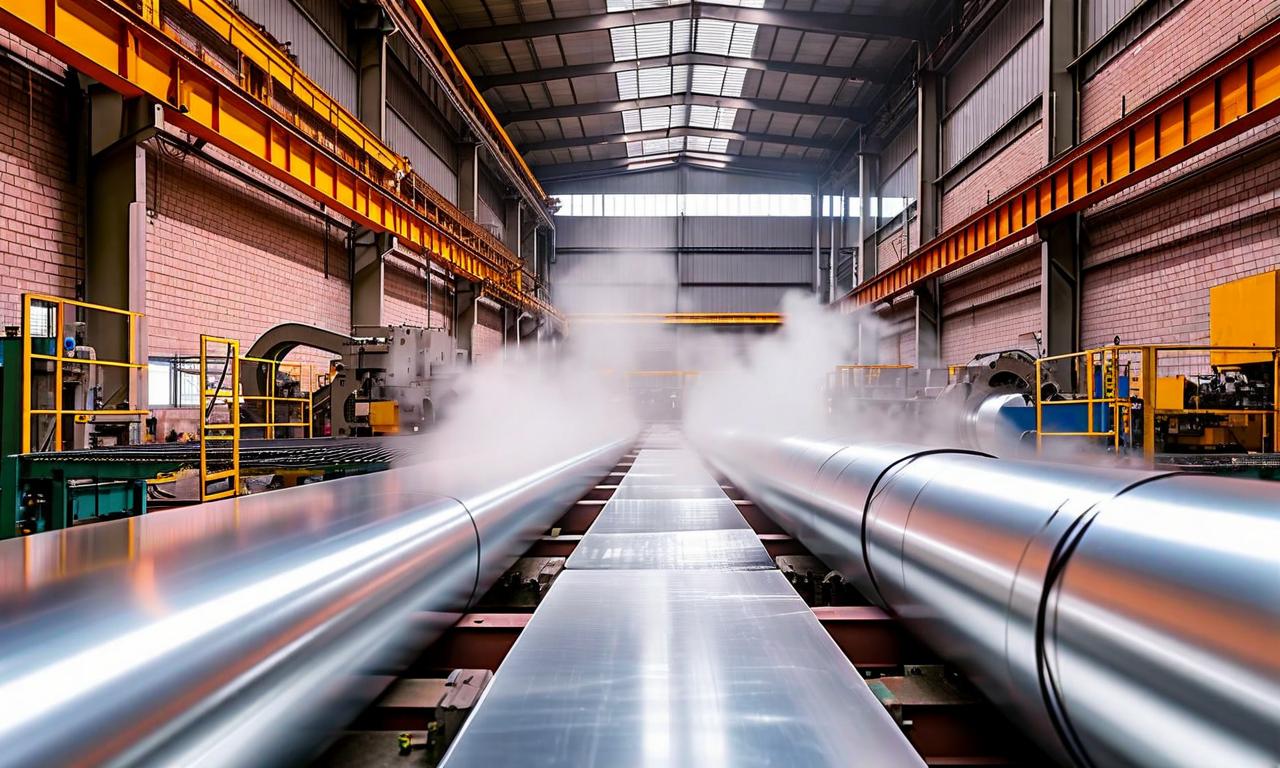
*this image is generated using AI for illustrative purposes only.
India's aluminium industry is confronting a critical structural challenge that threatens the viability of domestic secondary manufacturers and undermines the country's manufacturing ambitions. An inverted tariff structure has created a policy-induced cost disadvantage that particularly impacts MSMEs in the value-added aluminium sector.
Current Tariff Structure Creates Market Distortion
The existing duty framework presents a fundamental imbalance that favors imports over domestic production. The following table illustrates the current tariff structure:
| Product Category: | Duty Rate | Impact |
|---|---|---|
| Primary Aluminium (Input): | 7.50% | High cost for domestic producers |
| Finished ASEAN Products: | 0.00% | Duty-free market access |
| Import Parity Pricing: | Applied | Domestic prices align with import costs |
This structure allows finished aluminium products from ASEAN countries to enter India duty-free under the ASEAN-India Free Trade Agreement, utilizing the rule of origin clause that permits zero-duty imports for products with at least 35% local value addition. Meanwhile, domestic secondary producers face a 7.50% basic customs duty on primary aluminium, their key input material.
The pricing behavior of domestic primary aluminium producers compounds this challenge through import parity pricing, which keeps domestic prices aligned with imported metal costs. This creates a double burden for secondary manufacturers who pay high domestic prices for primary aluminium and face additional duties on imported inputs while competing against duty-free finished products.
Cost Structure Amplifies Competitive Disadvantage
The impact of this tariff structure becomes particularly severe when considering the cost composition of secondary aluminium manufacturing:
| Cost Component: | Share of Total Cost |
|---|---|
| Primary Aluminium: | 80.00% |
| Other Inputs: | 20.00% |
With primary aluminium representing nearly 80% of total production costs, any tariff on the primary metal directly affects the pricing of all downstream products including extrusions, rolled products, foils, and castings. Even minor increases in input duties translate into substantial drops in competitiveness for domestic manufacturers.
This cost disadvantage has reshaped market dynamics, with imports from ASEAN suppliers rising as they can offer finished products at prices that domestic producers cannot match. Several Indian firms report that buyers now prefer imported downstream products due to lower landed prices compared to domestically manufactured goods. Many secondary producers are operating below capacity or have exited certain market segments—not due to inefficiency, but as a direct result of policy-induced cost disadvantages.
Export Competitiveness Under Pressure
India's export performance in value-added aluminium products faces similar pressures from this structural imbalance. Higher input costs significantly weaken India's ability to compete in global downstream markets against countries with lower input duties or higher export rebates. When primary aluminium constitutes 80% of production costs, the 7.50% duty effectively becomes a direct tax on exports.
This situation is particularly concerning given India's resource advantages and export potential:
| Parameter: | Details |
|---|---|
| Bauxite Reserves: | Among world's richest |
| Aluminium Export Share: | Over 40% of production |
| Employment Generation: | 90% in value-added secondary industries |
Many MSMEs are considering curtailing exports or shifting to less value-added products with thinner margins, despite India's abundant bauxite reserves and established production capabilities.
Policy Alignment Needed for Manufacturing Goals
The current tariff structure contradicts India's broader industrial policy objectives of expanding value-added manufacturing, promoting MSME growth, and reducing import dependence. Global trade experience demonstrates that high input duties combined with low or zero duties on final goods typically shift value addition to foreign suppliers—precisely the outcome India's aluminium tariff structure has created.
Given that international trade norms do not easily allow for product removal from FTAs, addressing inverted duty structures by reducing duties on primary products emerges as the most viable solution. A competitive downstream sector, largely driven by MSMEs, remains central to India's manufacturing ambitions, making tariff structure alignment essential for achieving these strategic objectives.
 20
20